Tuttle, W. C.
Books (104)
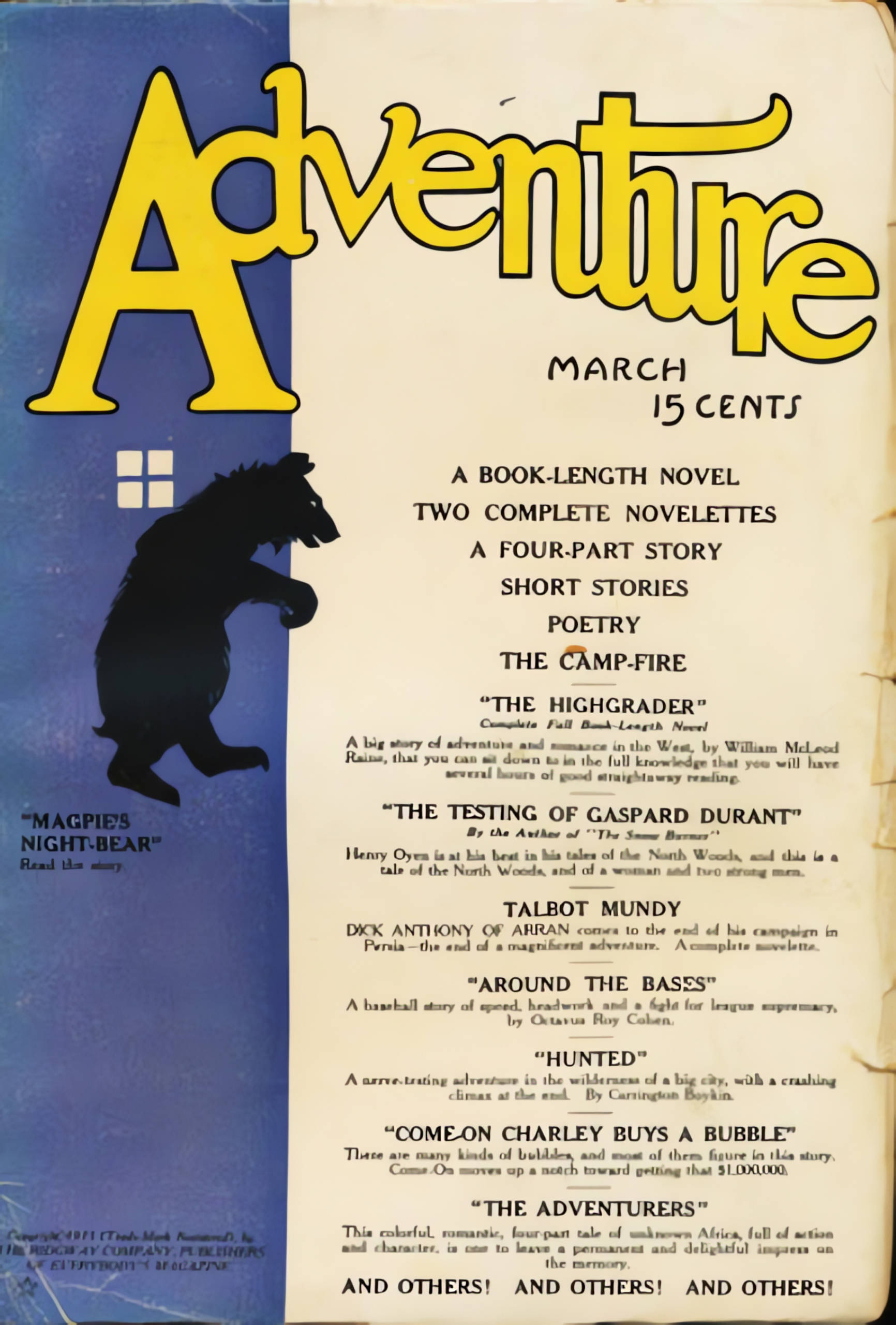
Magpie's Night-Bear
In the rugged hills of Western Montana, two prospecting partners settle into a rough cabin with little more than grit, a phonograph, and a talent for trouble. When an unexpected midnight visitor shatters their uneasy peace, tall-tale humor and frontier chaos collide in classic Western fashion. W. C. Tuttle’s “Magpie’s Night-Bear” blends comic suspense, rustic dialect, and early twentieth-century adventure storytelling in a lively tale of wilderness misadventure.
A Bull Movement in Yellow Horse
In the unruly frontier town of Yellow Horse, two wandering cowboys stumble into a spectacle far larger than they bargained for. When a stranded circus elephant named Frederick the First enters their lives, curiosity, bravado, and bad judgment set off a chain of comic Western chaos. W. C. Tuttle’s lively tale blends slapstick adventure, frontier tall-talk, and old-time magazine humor in a boisterous portrait of men, beasts, and towns pushed well beyond their limits.
A Man-Sized Pet
In the remote mining country of Sleeping Creek, three eccentric frontiersmen pride themselves on keeping only the fiercest kind of companions. But when timid, tidy Bantie Weyman acquires a pet of his own, his friends’ swaggering notions of courage and “man-sized” animals are put to uproarious test. W. C. Tuttle’s comic frontier tale delivers a lively clash of wilderness bravado, practical jokes, and backwoods absurdity.
All Wool
Hired as unlikely shepherds in an unfamiliar stretch of range country, cowpunchers Zeb Whitney and Ricky Saunders quickly learn that guarding three thousand sheep for top wages comes with reasons their easygoing boss failed to mention. A stray bullet, a vanished herder, and a sudden blast in the night convince them they've blundered into the middle of a simmering range war between cattlemen and sheep owners. Outgunned, out-supplied, and subsisting on half-cooked mutton, the two saddle-tramps answer each new calamity with wisecracks, card games, and a stubborn refusal to be run off. A rollicking frontier yarn of grit, gallows humor, and partnership tested by dust, dynamite, and the worst cooking west of the Rockies.
Derelicts Of The Hills
In the rugged hills north of Piperock, two grizzled prospectors scratch out a living between mesquite, dust, and dreams of a lucky strike. When Magpie Simpkins — dabbler in hypnotism, psychology, and communion with the spirits — returns from town head-over-boots in love with a blue-eyed waitress, his long-suffering partner Ike Harper braces for the worst. What follows is a tall tale of buckshot justice, bailing-wire suspenders, and the peculiar comedy that unfolds when a scientific loco sourdough decides to tie the knot. W. C. Tuttle spins a classic slice of pulp-era Western humor in the authentic cowboy dialect that made his Piperock yarns a staple of Adventure magazine.
For the Love of Annibel
When a theatrical producer arrives in the rough-and-tumble mining town of Piperock, Montana, she attempts to stage an ambitious play using local cowboys, prospectors, and townsfolk as her amateur cast. Narrator Ike Harper reluctantly watches as his partner Magpie Simpkins and the rest of the colorful community throw themselves into "For the Love of Annibel," a melodrama that promises culture and refinement to the frontier. But between rivalries over leading roles, a dubious choice of livestock, and the volatile personalities of the Piperock residents, the production quickly spirals toward unforgettable disaster.
When Oscar Went Wild
In W. C. Tuttle’s lively Western comedy, two hard-luck cowpunchers stumble into a motion-picture mishap in the hills near Piperock and find themselves enlisted in the search for a missing studio cougar. What begins as a gallant promise to a charming actress quickly turns into a night of traps, bravado, and frontier confusion. Full of sharp banter, slapstick peril, and early Hollywood absurdity, this archival tale captures the comic edge of the classic Western short story.
Bearly Reasonable
In the rugged hills near Piperock, prospectors Magpie Simpkins and Ike Harper are hired by an eccentric Eastern professor determined to settle a scientific argument about grizzlies, prairie dogs, and rattlesnakes. With a shotgun-happy doctor, a formidable professor’s wife, a sickly tame bear, and a badger mistaken for a cub, the expedition quickly turns into frontier farce. W. C. Tuttle’s comic Western tale delivers sharp dialect humor, backcountry absurdity, and a riotous send-up of tenderfoot science in the wild American West.
Cows is Cows
In the dusty reaches of Yellow Rock County, cattle are vanishing faster than Sheriff Magpie Simpkins can roll a smoke, and the local ranchers have run out of patience. When a hired detective arrives to hunt the rustlers and a tall, sermonizing stranger calling himself a 'Bringer of Light' wanders into town, the trouble multiplies in unexpected ways. Narrated in the salty drawl of emergency deputy Ike Harper, this classic frontier yarn from W. C. Tuttle blends tall-tale humor, mistaken identity, and the rough justice of the open range. A short, comic Western from the golden age of pulp adventure.
Fifty-Fifty with Bonnie
When a letter goes astray and two refined Eastern ladies arrive at the Seven-A ranch with six trunks and grand expectations, the ornery cowhands of Hank Padden's outfit find themselves on the receiving end of a misunderstanding nobody bargained for. Chuck Warner, a bow-legged jokester with a gift for stretching the truth, can't resist spinning a few tall tales to amuse himself and rattle his trail-mates—particularly the long, slow-witted Swede left in charge while the boss is away. As schemes pile atop schemes and the prospect of a dozen marriageable girls looms on the horizon, the lonesomeness of ranch life gives way to a roaring tangle of mistaken identities, hollered conversations, and sagebrush mischief. Set on the Montana range of a bygone era, this rollicking yarn from pulp-fiction favorite W. C. Tuttle delivers cowboy comedy at full gallop.
Honest to Doughgod
In W. C. Tuttle’s comic Western tale, three musically inclined cowpunchers from the Cross-J find their loyalties tested when a new schoolteacher arrives in Paradise. Hen Peck, Muley Bowles, and Telescope Tolliver stumble through romance, rivalry, poker, poetry, and frontier misunderstandings with more enthusiasm than wisdom. Told in lively cowboy dialect, this archival Western farce captures the rough humor, tall-tale charm, and antic spirit of early twentieth-century magazine fiction.
In Self-Defense
In the rough-edged cattle town of Piperock, two hard-riding cowboys discover that romance can be more dangerous than gunplay. When Ren Merton and Sig Watson set out to impress a pair of new restaurant proprietors, mistaken identities, bad whiskey, and half-baked heroics turn courtship into comic chaos. W. C. Tuttle’s “In Self Defense” is a lively Western farce filled with frontier slang, saloon wit, and the unpredictable hazards of love on the range.
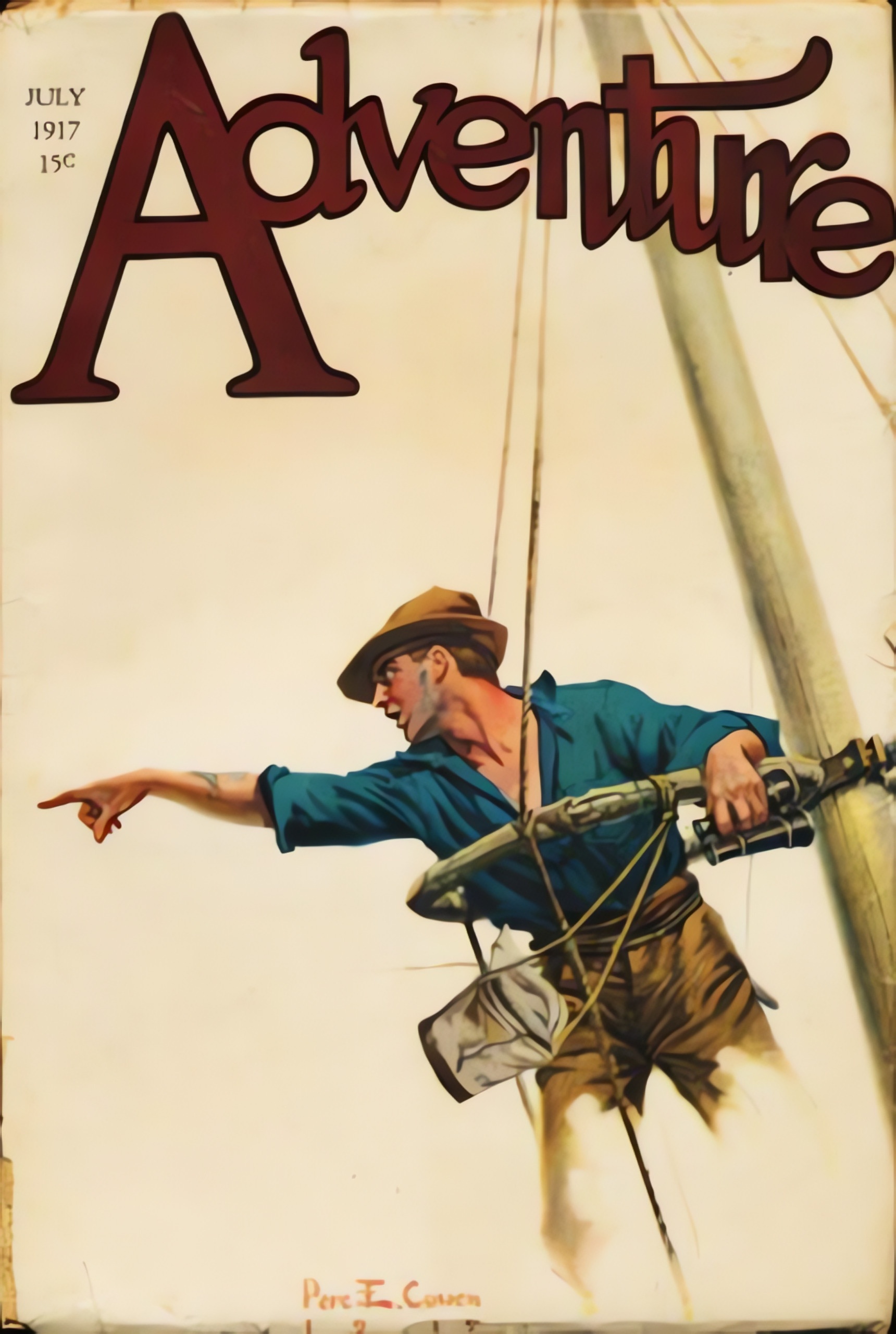
Magpie—Diplomat
When drifters Magpie Simpkins and Ike Harper ride into the frontier settlement of Pinto, they find its mayor, chief of police, and treasurer sitting forlorn on a pile of boulders—exiled from their own town by a scheme gone spectacularly wrong. What began as a clever fix to a civic problem has unraveled into a comedy of romantic deception, jealous wives, and loaded firearms. With Magpie's quick tongue and talent for back-country diplomacy, he attempts to untangle the mess—but peace, like gold, proves elusive on the frontier. A sharp and rollicking tale of frontier wit, marital chaos, and the perils of small-town politics, first published in Adventure magazine in July 1917.
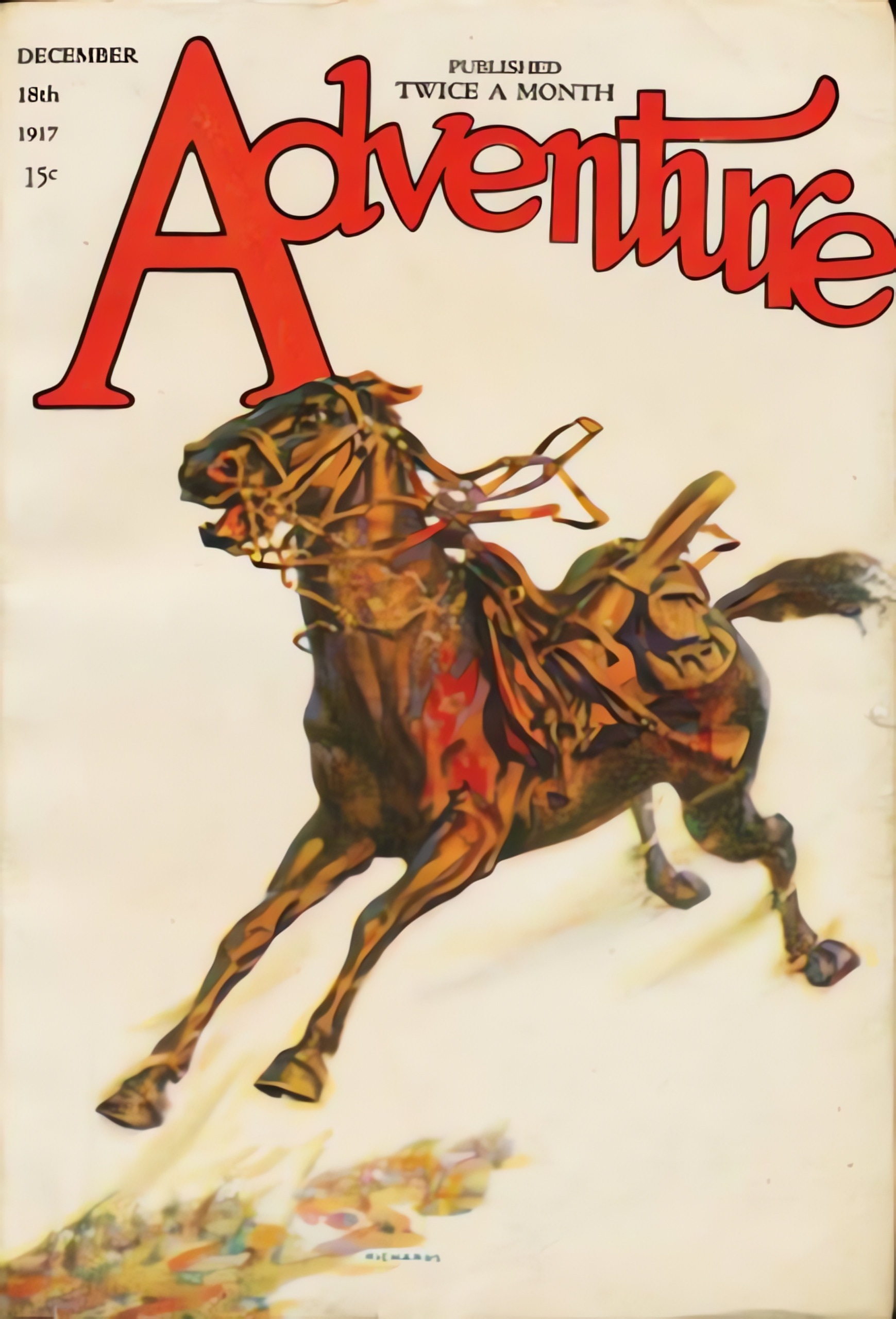
Nerves of Iron
In the lawless desert town of Spotted Dog, two wandering prospectors and their burros stumble into a feud between blustering officials, nervous gunmen, and a reluctant new marshal with everything to prove. W. C. Tuttle’s comic Western tale blends frontier bravado, tall-tale humor, and mistaken reputations as cowardice, courage, and clever trickery collide on the dusty main street. Full of dialect, absurd danger, and sly reversals, this early twentieth-century story captures the rowdy spirit of pulp-era Western adventure.
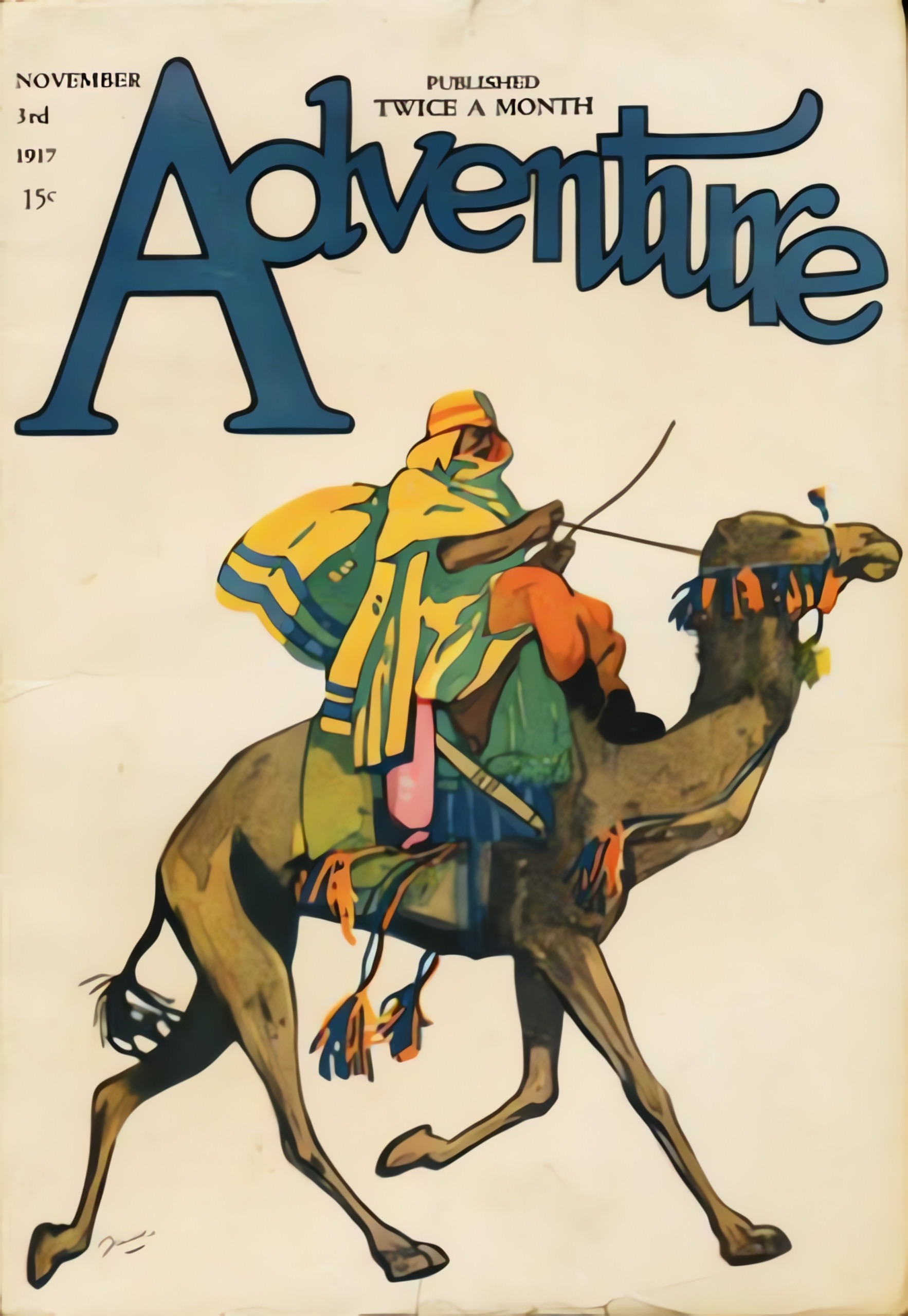
Precedents in Piperock
In the rowdy cattle town of Piperock, a plan for a “safe and sane” Fourth of July collides with frontier pride, hard drinking, and the town’s talent for disaster. As baseball, patriotic speeches, and a daring balloon ascension promise respectable entertainment, Ike Harper watches tradition and reform square off in comic fashion. W. C. Tuttle’s Western humor tale captures the rough music of cowboy speech, small-town rivalry, and the anarchic spirit of a holiday that refuses to behave.
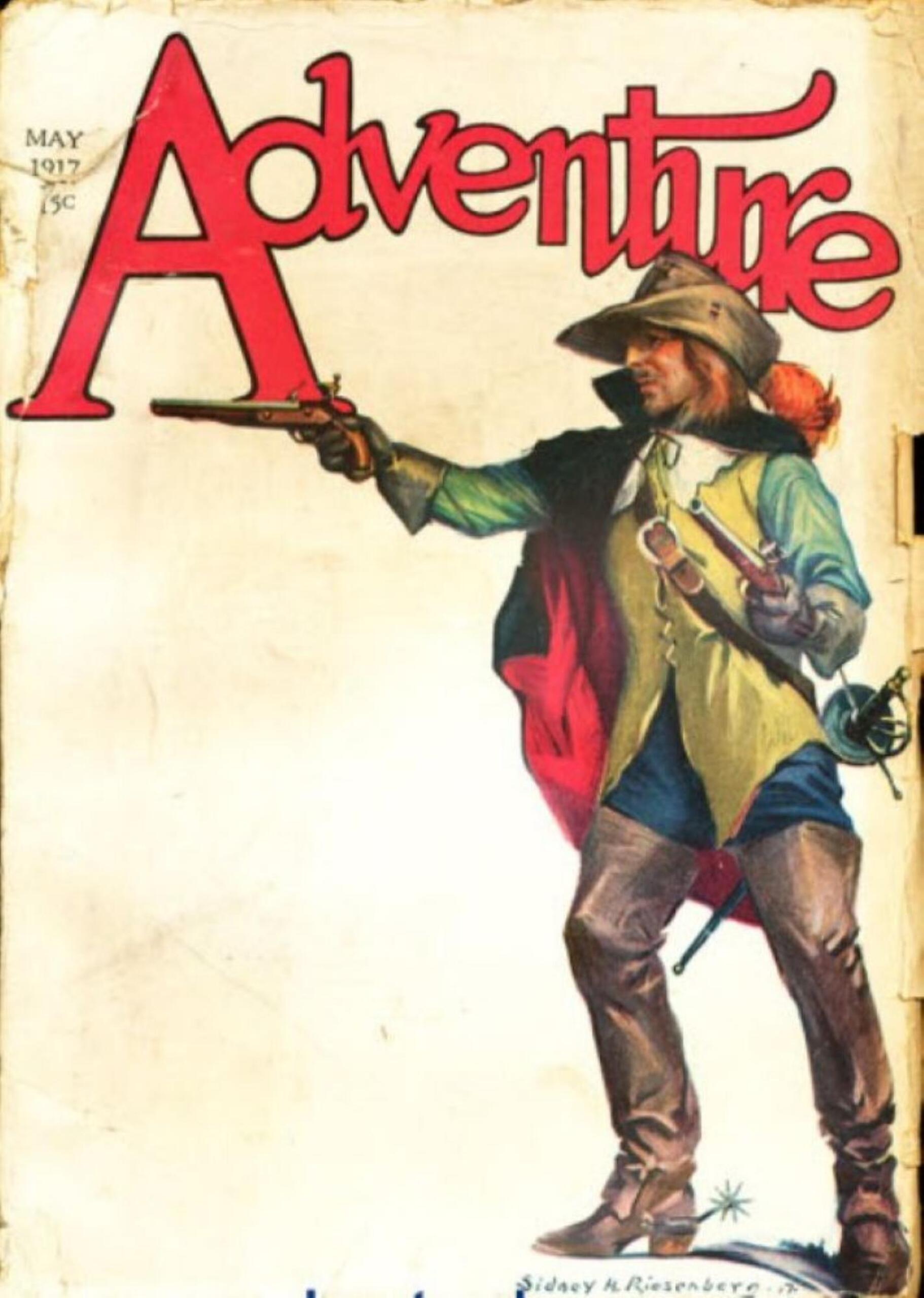
Sixteen to One on Friday
Set against the rough-edged ranges and backroads of early twentieth-century Montana, this spirited Western follows two cowboys whose simple errand turns into a riot of misadventure. W. C. Tuttle blends frontier humor, political color, mistaken suspicion, and fast-moving action in a tale rich with dialect and comic timing. By turns sly, chaotic, and vividly atmospheric, this classic short story captures the exuberant unpredictability of life in a cattle-country town called Paradise.
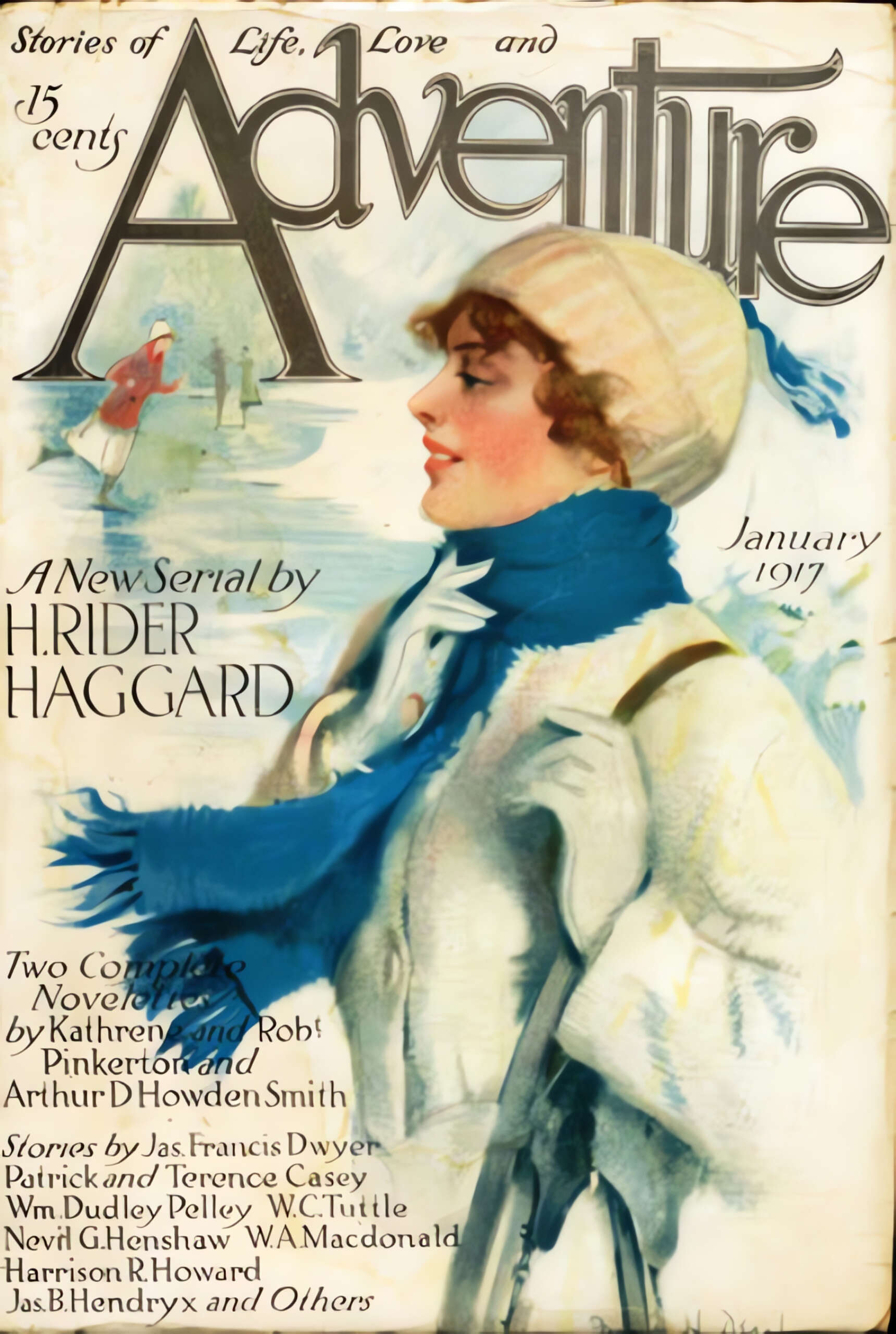
The Curse of Gold
In the rough-and-tumble town of Piperock, newly minted Sheriff Magpie Simpkins and his reluctant deputy Ike Harper are thrust into a chaotic pursuit after a daring bank robbery. What begins as a chase across the desert becomes a comic trial of mistaken identities, runaway horses, bruised pride, and the supposed curse of gold. W. C. Tuttle’s classic Western tale blends frontier action with dry humor and colorful dialect, capturing the absurd hazards of lawkeeping in the Old West.
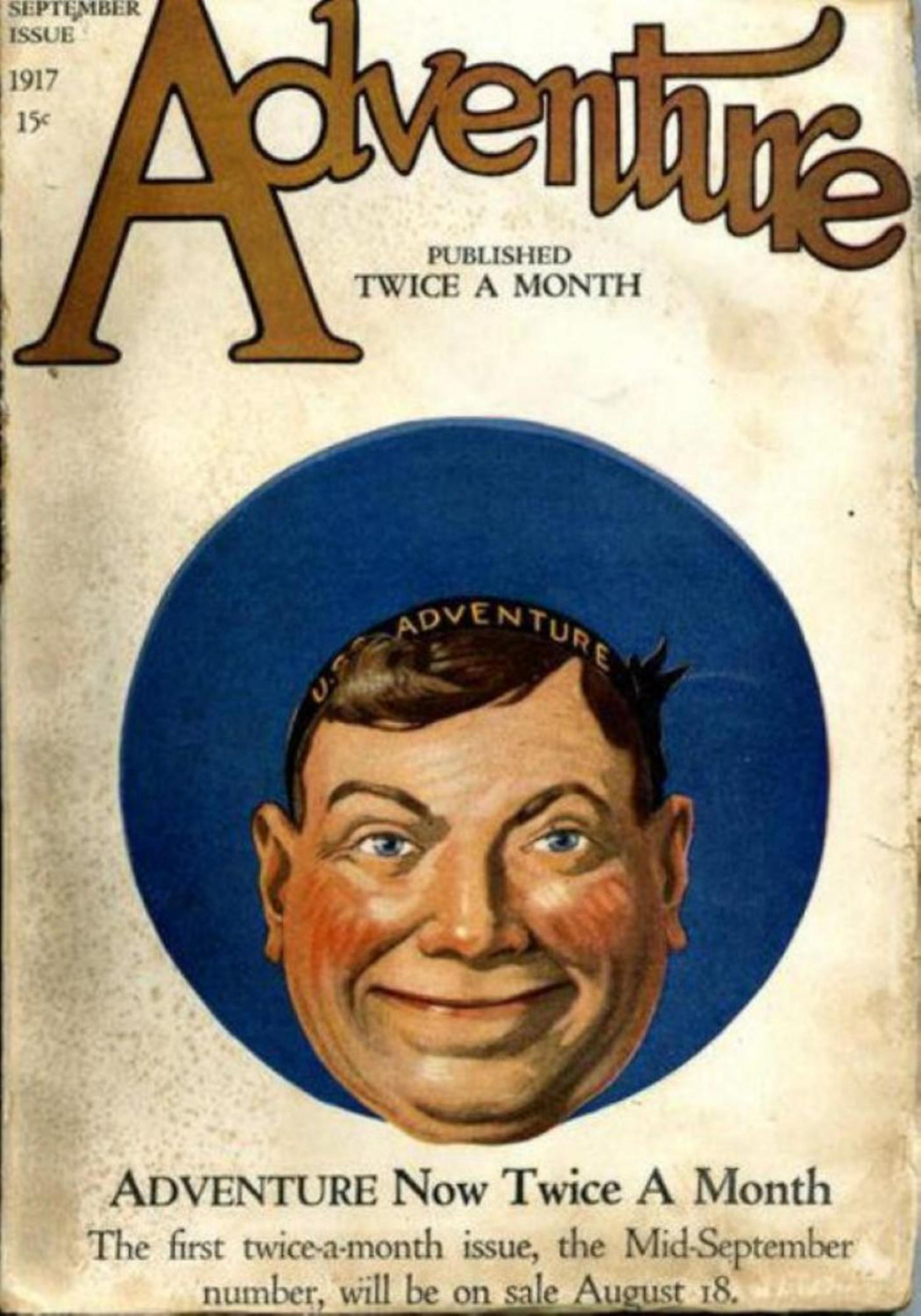
The Hen-punchers of Piperock
In the dust-blown cow town of Piperock, two hungry cowpunchers turn a craving for ham and eggs into a wildly impractical business scheme. With razorback hogs, unruly hens, rival entrepreneurs, and a town full of sharp-tongued witnesses, W. C. Tuttle’s comic Western tale transforms frontier scarcity into high-spirited farce. Told in vivid dialect and bristling with slapstick misadventure, this archival short story captures the humor, appetite, and chaos of ranch-country life.
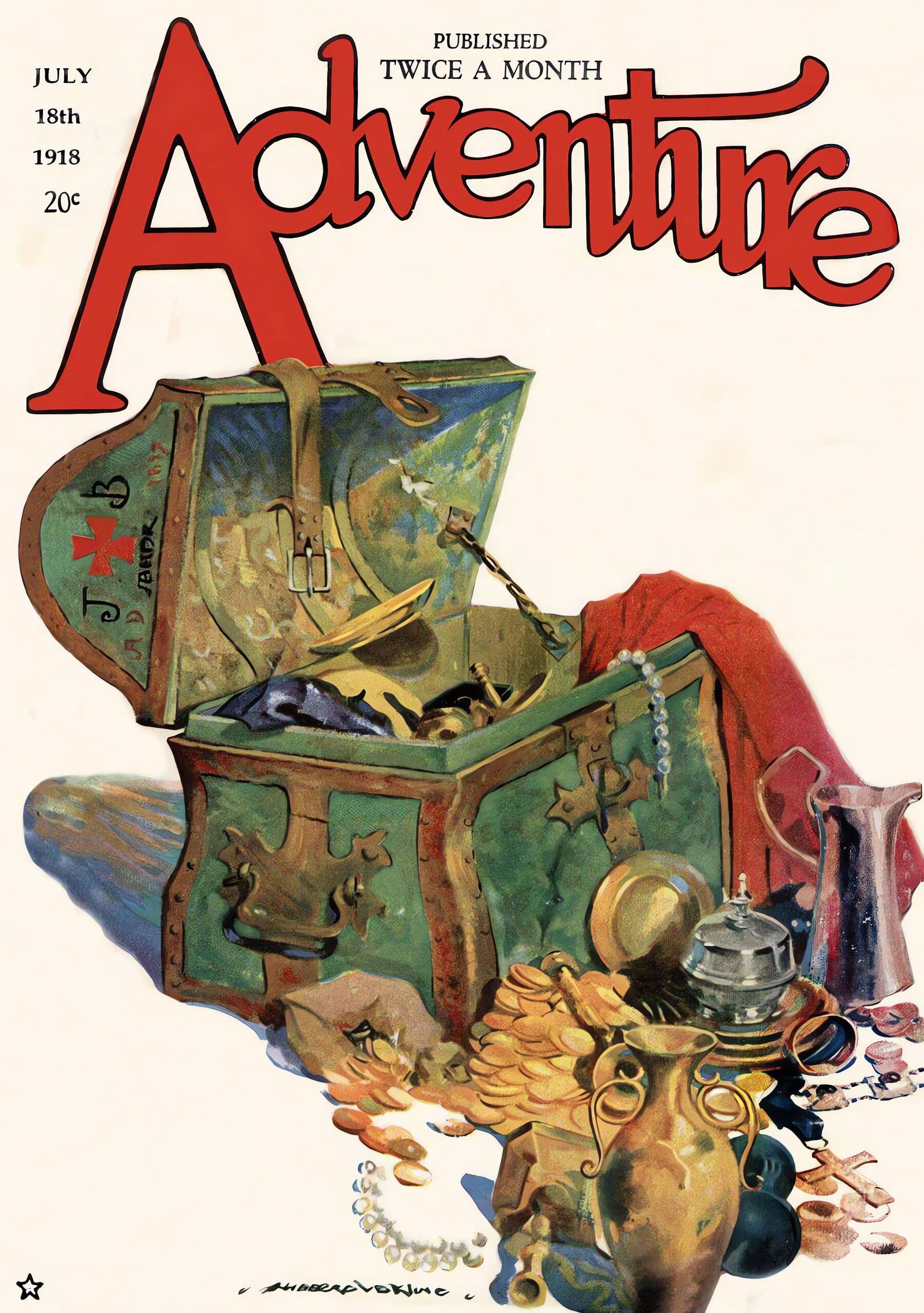
A Prevaricaded Parade
In the dusty cow town of Paradise, a Fourth of July celebration becomes a comic test of civic pride, frontier bravado, and spectacularly poor judgment. Henry Clay Peck and a committee of quarrelsome cowhands set out to organize a proper parade, only to unleash rival ambitions, romantic misunderstandings, a runaway automobile, and more confusion than patriotism. W. C. Tuttle’s boisterous Western farce captures the tall-tale humor, dialect, and rough-edged charm of early twentieth-century cowboy fiction.
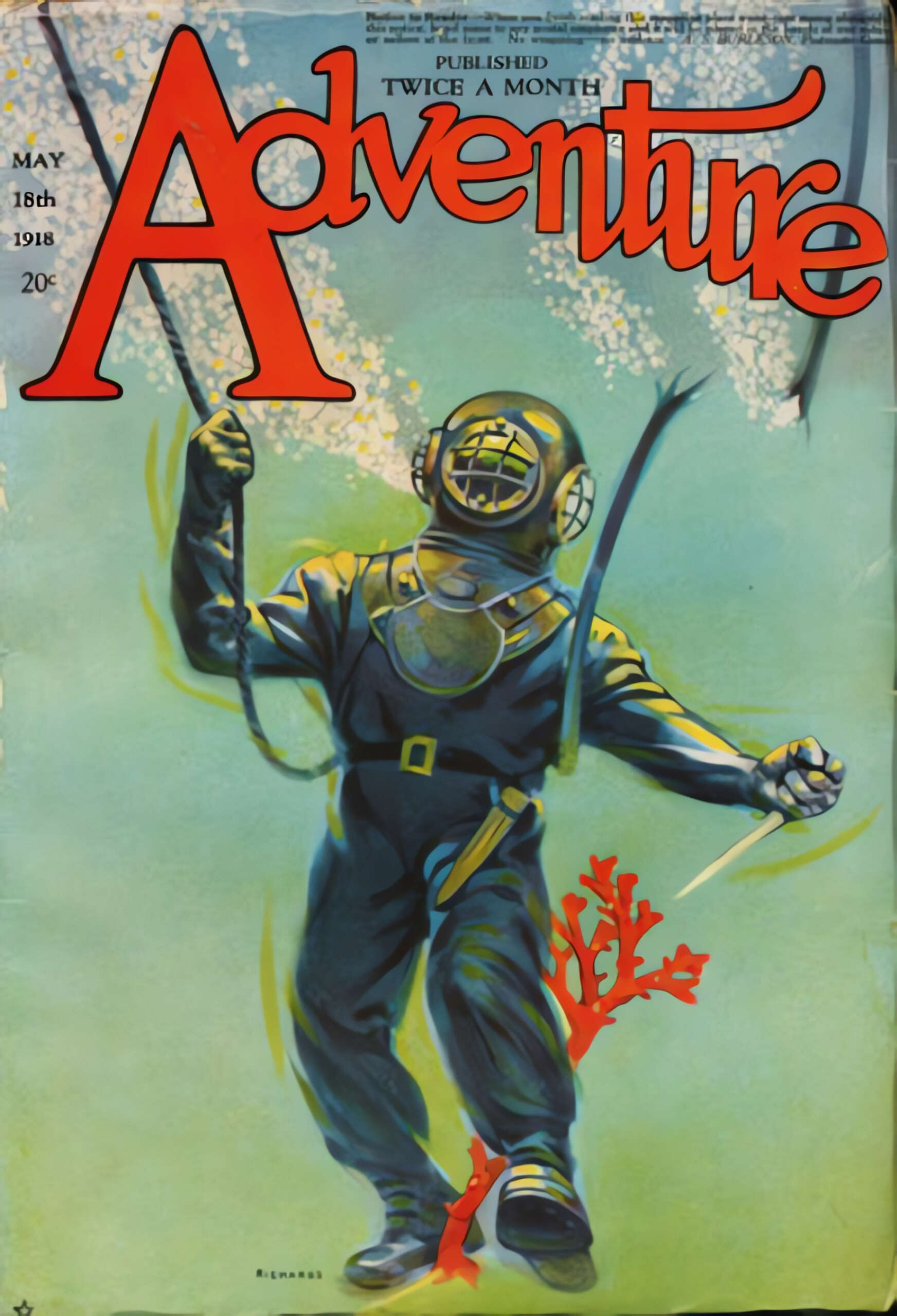
Clean Crazy
In W. C. Tuttle’s comic Western tale, a simple plan to look presentable for a ranch dance sends Hen Peck and Telescope Tolliver into a sunbaked Montana misadventure. Set among cowboys, creek beds, cattle, goats, and a country posse, the story turns frontier life into a cascade of mistaken identity and slapstick humiliation. Told in lively dialect with dry wit and archival charm, this public-domain range comedy captures the rowdy humor of early twentieth-century pulp Western fiction.

Dough or Dynamite
When a roly-poly motion-picture man arrives at the Cross J ranch hunting for 'local color,' he convinces vain cowpuncher Telescope Tolliver that stardom awaits—if he'll stage a real stage hold-up for the cameras. But in Yaller Rock County, no scheme stays simple: soon the bunkhouse boys are tangled up in missing gold shipments, a suspicious sheriff, a box of dynamite, and a slippery outlaw nobody can quite pin down. Narrated in the wry drawl of ranch hand Henry Peck, this rollicking comedy of errors piles misunderstanding on mischief until the whole county is turned upside down. A classic humorous pulp Western from the pages of Adventure Magazine, packed with banter, blunders, and cowboy poetry of dubious quality.
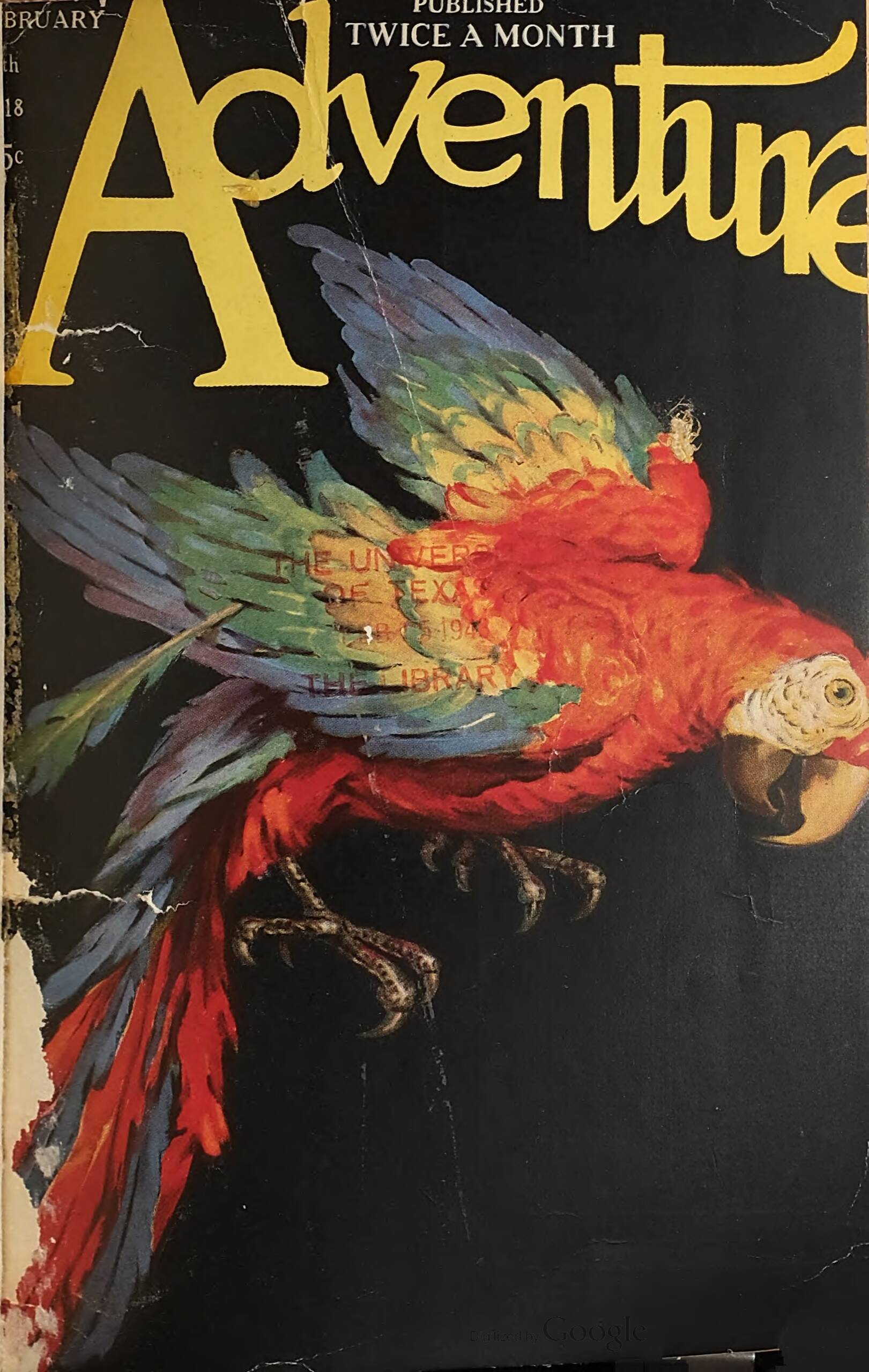
Hair-Trigger Hollibaugh
In the rough-edged mining town of Blue Nose, a down-on-his-luck prospector crosses paths with the unforgettable Hair-Trigger Hollibaugh, a sleepy outlaw-philosopher with a talent for trouble. Together with a contrary burro and a cast of frontier eccentrics, they drift into a scheme that could wake the whole camp from its dusty slumber. W. C. Tuttle’s comic Western tale blends gold-rush grit, deadpan humor, and tall-tale bravado in a lively portrait of ambition, deception, and frontier justice.
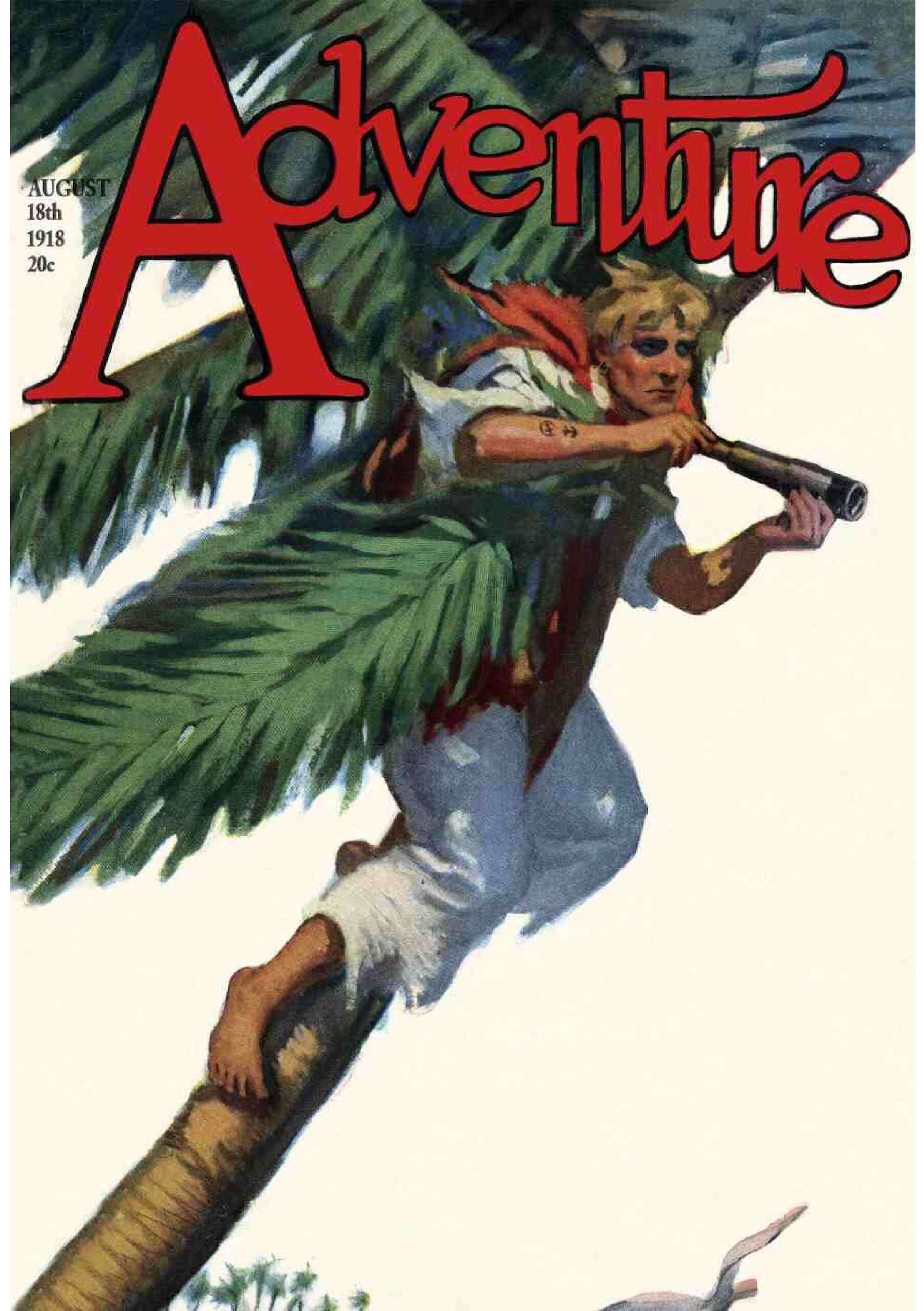
Loco or Love
In W. C. Tuttle’s comic Western tale “Loco or Love,” Sheriff Magpie Simpkins and his deputy Ike Harper find their long partnership tested by rivalry, pride, and an unexpected infatuation. Set amid the dusty trails and frontier town of Piperock, the story blends slapstick banter, outlaw trouble, and romantic misadventure with Tuttle’s signature cowboy humor. As robberies unsettle the county and a mysterious newcomer captures both lawmen’s attention, duty and desire collide in a lively tale of mistaken judgment and frontier folly.
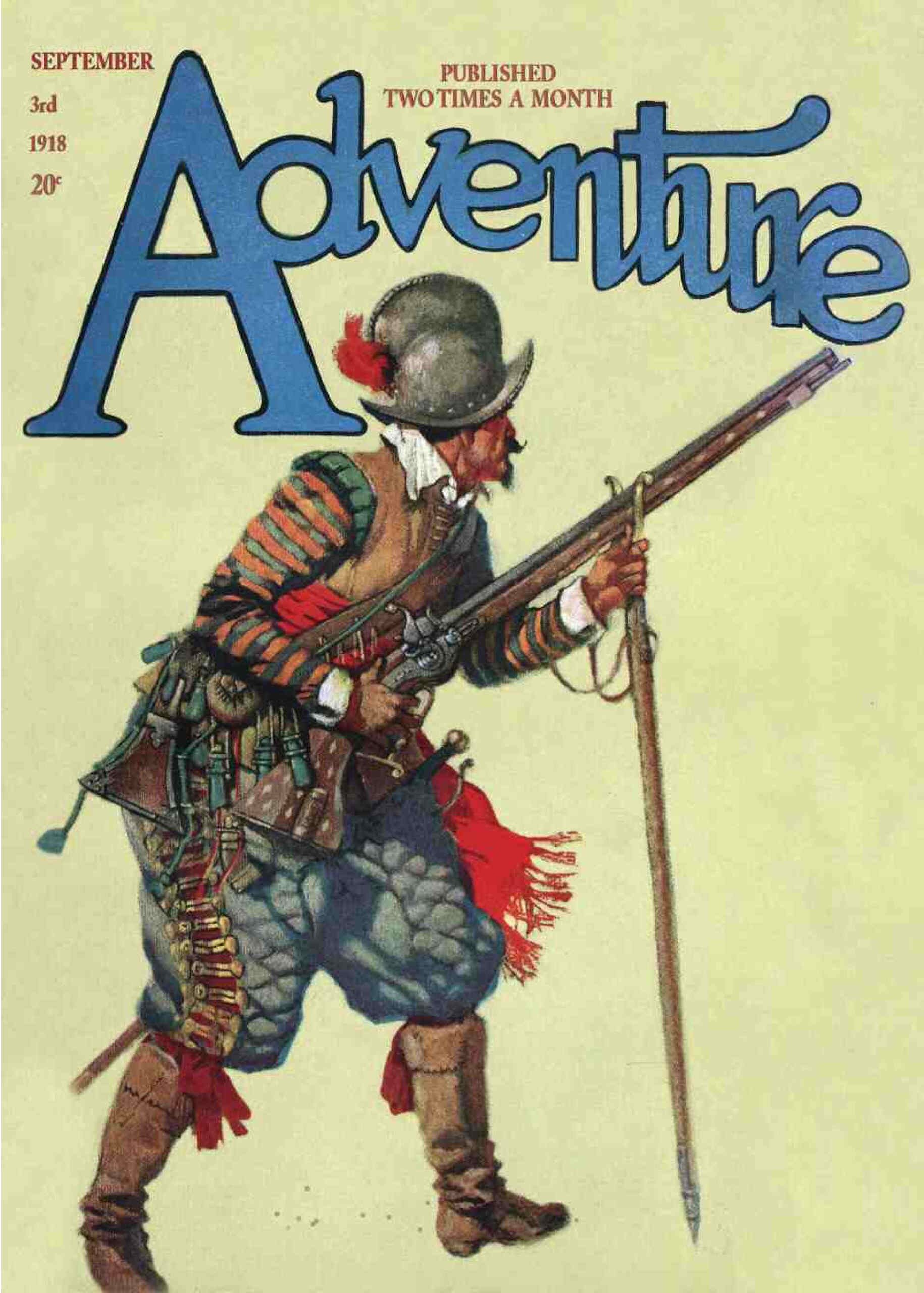
Making Good for Muley
In the rough-and-tumble cattle country of Yaller Rock County, lovesick cowboy Muley Bowles finds his plans to marry Susie Abernathy tangled in family objections, sheep-country rivalries, and the questionable help of his bunkhouse friends. When a mysterious inheritance appears to offer Muley the fortune he needs, it brings with it absurd conditions, comic complications, and a parrot with a talent for trouble. W. C. Tuttle’s rollicking Western comedy blends frontier romance, cowboy banter, and high-spirited satire of range-life loyalties.
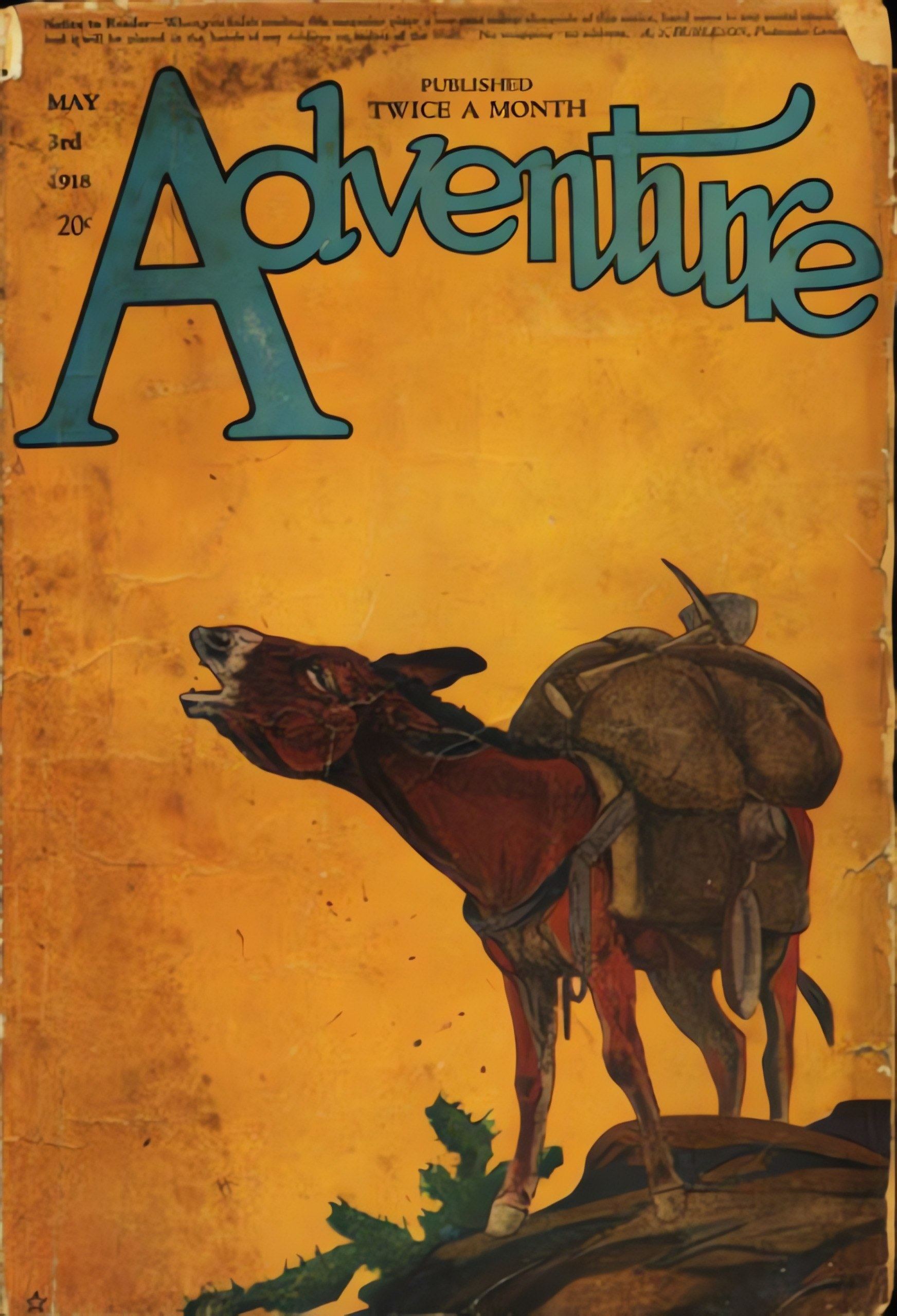
Salt of the Earth
In the sun-baked ruins of Painted Post—a desert outpost that boasts a single saloon, a shuttered store, and a population of four idle, fast-talking prospectors—survival depends less on striking gold than on outtalking the next man. The quartet scrapes by on bad whiskey, worthless claims, and tall tales, always alert for a mark worth fleecing. So when two outlandishly dressed strangers wander in flush with cash, trailing burros packed with rocking chairs and garden tools, the locals scent the easiest fortune they'll ever make. They hatch a scheme to "salt" a barren mine and sell it to the greenhorns at a tidy profit. But on this frontier, appearances run deep and the distance between the swindler and the swindled is shorter than anyone reckons.
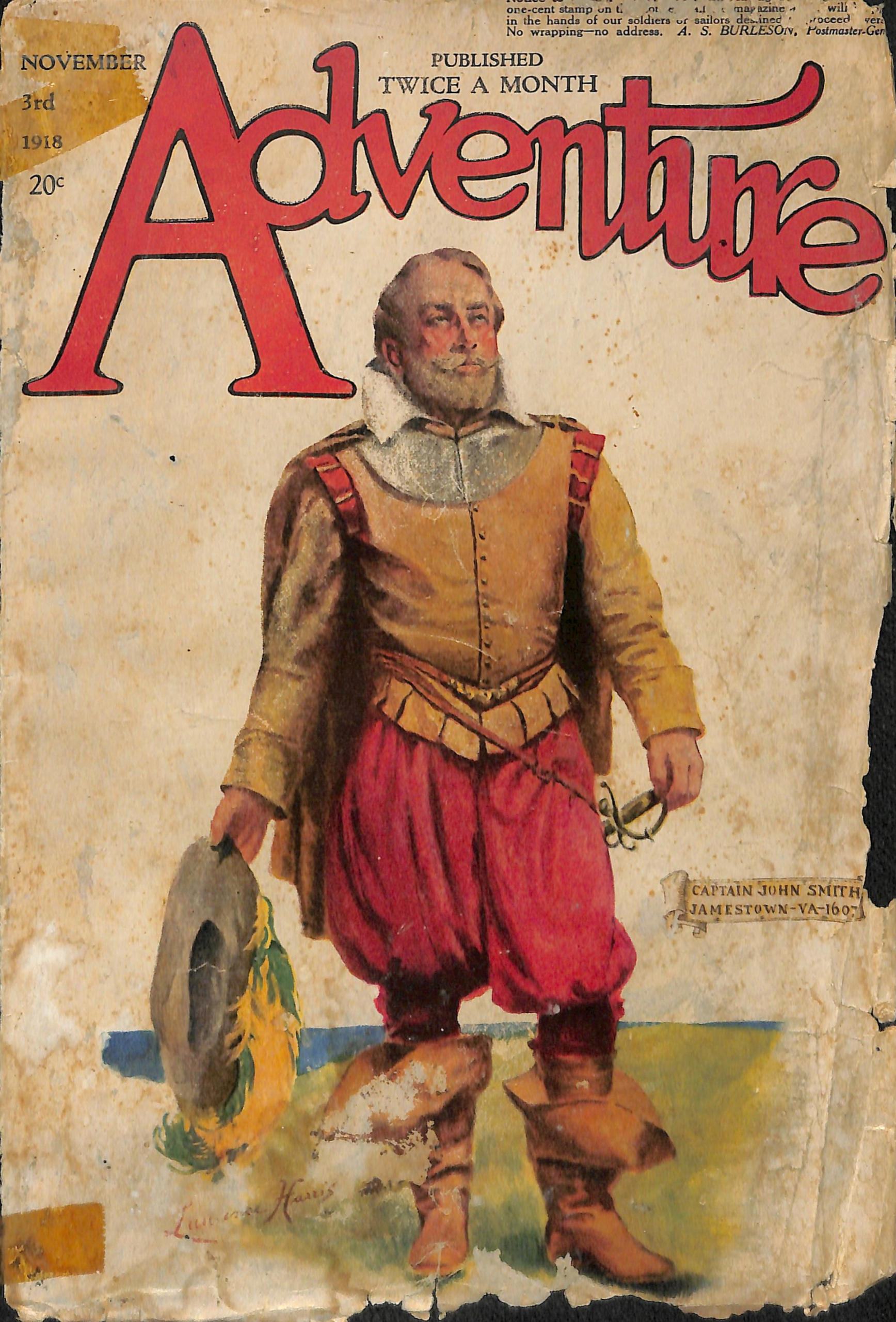
The Hand of Providence
In the dusty Western town of Piperock, boredom gives way to chaos when Scenery Sims arrives in a brand-new “hossless wagon” that terrifies horses, rattles nerves, and upends local pride. Told in lively frontier dialect, this comic tale pits old ways against modern invention with a cast of cowboys, sheriffs, shopkeepers, and skeptics caught in the machine’s noisy wake. W. C. Tuttle’s “The Hand of Providence” offers a humorous snapshot of the American West at the moment progress comes roaring down Main Street.
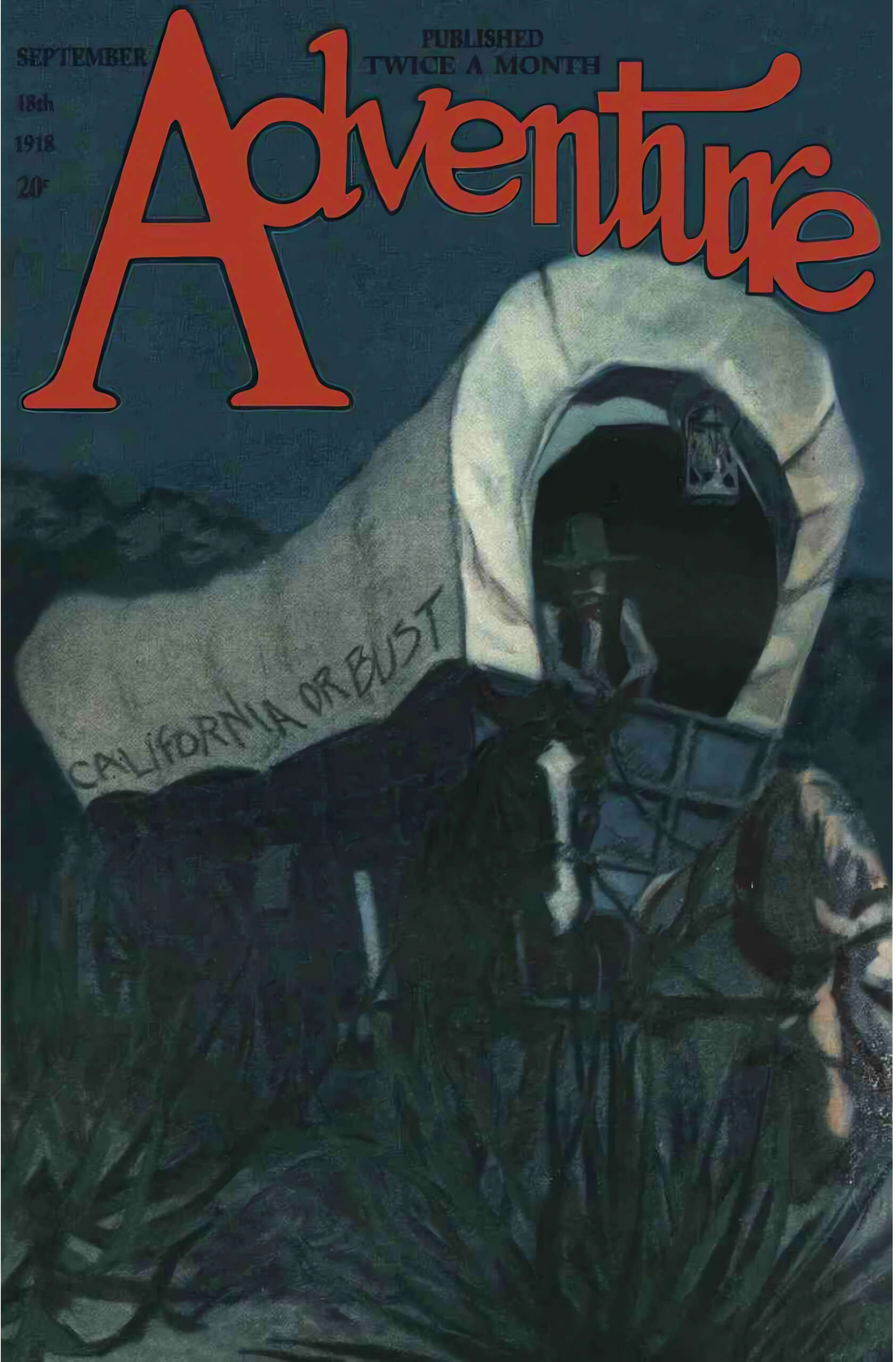
Tied Up for Tombstone
When prospector Ike Harper drifts back into the rowdy frontier town of Piperock, he finds his old partner Magpie Simpkins wearing two improbable hats: county sheriff and self-appointed editor of the town's only newspaper. With just thirteen sheets of paper, one can of ink, and a print shop full of backwards type, Magpie is determined to put out one final edition — featuring the obituary of Tombstone Todd, the gunman who has sworn to plant the sheriff first. Between bullet-riddled windows, outraged subscribers, and a traveling theater troupe that throws the whole town into chaos, Ike discovers that frontier journalism is anything but a quiet trade. W. C. Tuttle's rollicking Piperock yarn from Adventure Magazine serves up tall-tale humor, quick draws, and small-town mayhem in equal measure.
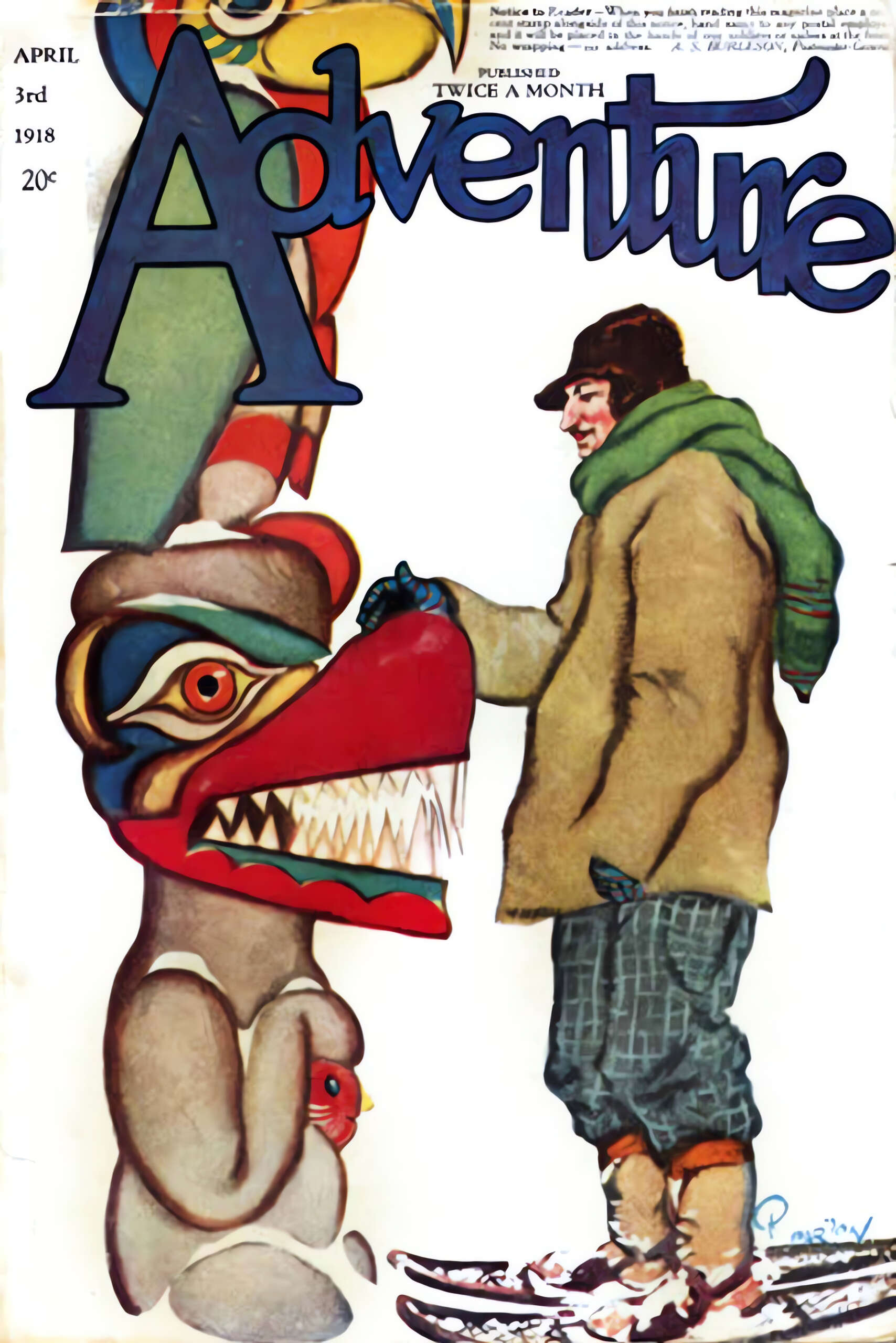
Upside Down or Backwards
When Magpie Simpkins stumbles back into Piperock after a disastrous Eastern prospecting trip — broke, overdressed, and apparently the proud owner of a live cassowary he purchased in a drunken stupor — his partner Ike Harper braces for the inevitable chaos. The exotic bird, a bewildering stranger to the Montana frontier, quickly becomes the centerpiece of an elaborate small-town scheme that spirals from a street-side auction to a five-dollar raffle, while the whole of Piperock scrambles after a rumored thousand-dollar scientific prize. W. C. Tuttle's Piperock yarn is a masterwork of deadpan frontier comedy, built on tall-tale logic, pitch-perfect vernacular, and the enduring partnership of two lovable fools chasing fortune the wrong way round. First published in Adventure Magazine in 1918, this public domain gem remains a shining example of early American Western humor.
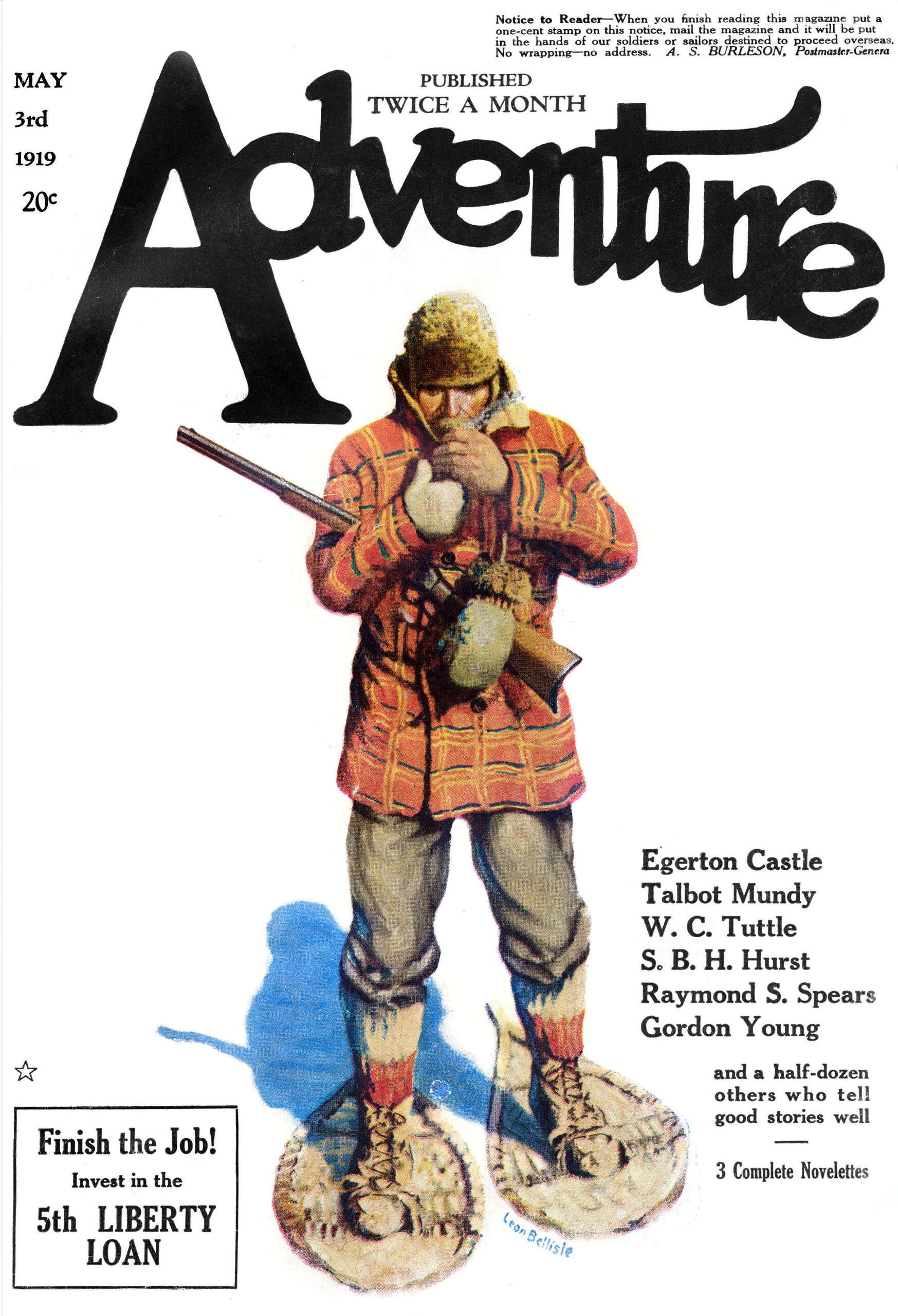
Dirty Work for Doughgod
When the trustees of Paradise decree that no female schoolteacher will ever set foot in their cow town again, four well-meaning cowpunchers of the Cross J ranch hatch a scheme to intercept the lady arriving by train. What follows is a whirlwind of runaway buckboards, mistaken identities, blistered feet, and back-country mayhem as the self-styled rescuers stumble from one calamity into the next. W. C. Tuttle's rollicking tale of frontier chivalry gone hilariously wrong first appeared in Adventure Magazine in 1919, showcasing the tall-tale humor and colorful vernacular that made his cowboy yarns beloved by pulp readers. A classic comic Western where the best intentions in Paradise lead straight to trouble.
Jay Bird’s Judgement
Set in the rough country of the American West, this spirited frontier tale follows a ranch outfit whose search for a cook turns into a whirlwind of misunderstanding, gossip, and comic ambition. With dry wit, vivid ranch life, and a cast of unforgettable cowhands, W. C. Tuttle brings the open range to life in a story where practical problems quickly become social calamities. Blending humor, romance, and classic cowboy mischief, this early twentieth-century western captures the charm of tall-tale storytelling without losing its human touch. A lively period piece, it offers readers both laughter and a sharply observed portrait of ranch life on the range.
Playing Safe in Piperock
In the rough-and-ready frontier town of Piperock, Ike Harper and Magpie Simpkins return from the hills just as the citizens prepare a grand Old Home Week celebration built on the unlikely promise of peace, order, and brotherly love. When a dubious circus-and-carnival outfit enters the mix, Piperock’s best intentions collide with old rivalries, wayward animals, and the town’s talent for turning civic pride into comic chaos. W. C. Tuttle’s exuberant Western farce delivers tall-tale humor, colorful dialect, and a rollicking portrait of a cow-town that can never quite play safe.
Psychology and Copper
In the rough-and-tumble mining country of the American West, grizzled prospector Ike Harper spins the yarn of his partner Magpie Simpkins, a self-styled scientific genius whose enthusiasm for every new fad far outstrips his common sense. When Magpie discovers the wonders of psychology, he wagers he can use the power of the mind to transform a lazy neighbor into a tireless copper miner. But between a greenhorn investor in a dancing derby hat, a promising claim ripe for the taking, and Magpie's latest experiment, the partners' schemes begin to tangle in ways no textbook could predict. A classic tale of frontier humor where fool luck, human nature, and a little too much cleverness collide.
The Color of His Boots
In W. C. Tuttle’s comic Western tale, two hard-luck cowboys find a pair of ruined yellow boots turning an ordinary train ride into a night of chaos across the Bad Lands. Narrated with rustic wit and fast-talking frontier humor, the story follows Ike Harper and Magpie Simpkins as vanity, mistaken identity, and sheer bad luck collide. A lively piece of early twentieth-century Western fiction, it blends slapstick adventure with the tall-tale spirit of the American frontier.
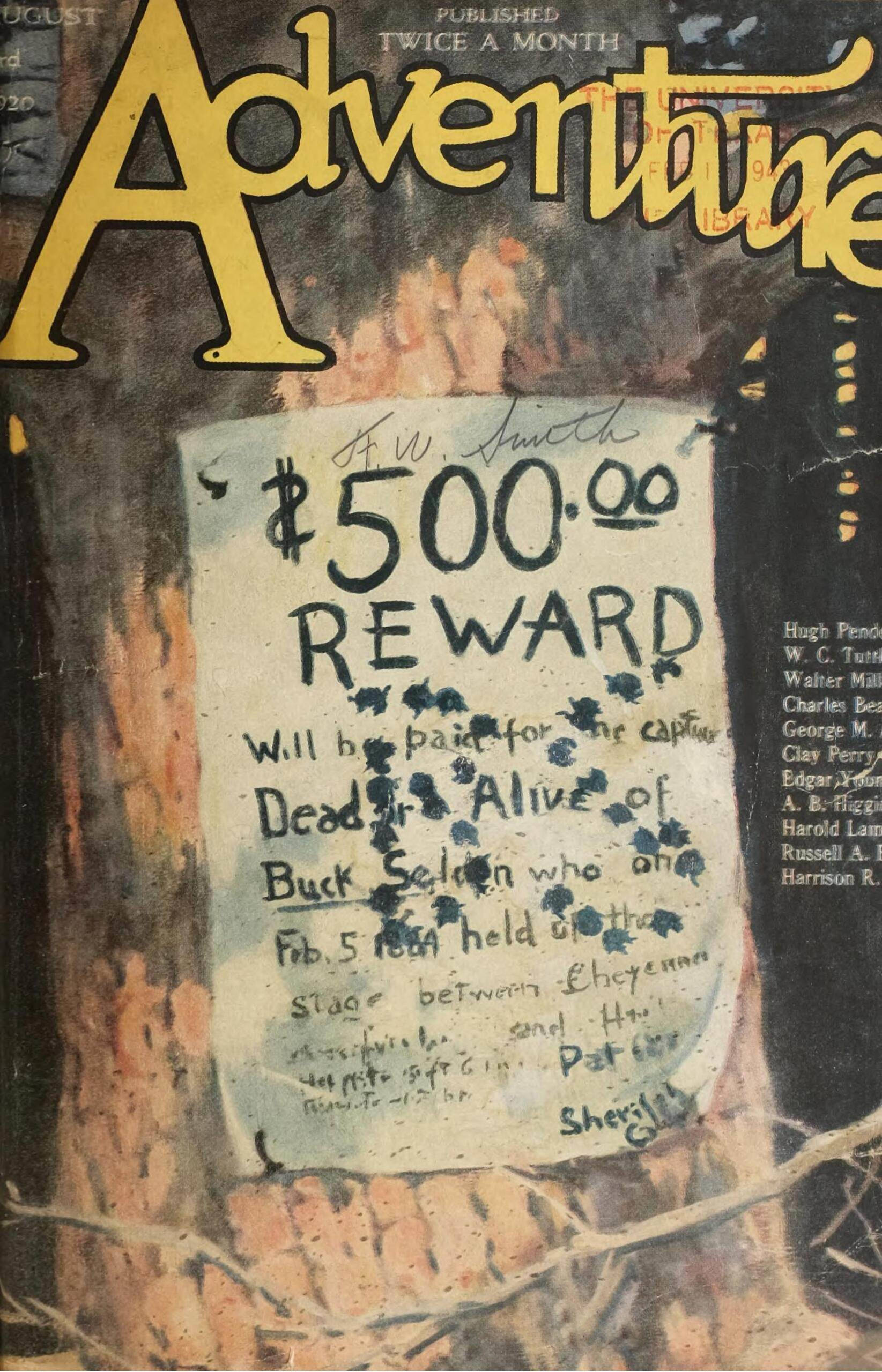
A Whizzer on Willer Creek
In the rough-edged cattle country of Willer Crick, two wandering cowboys ride straight into a feud-ridden range where family ties are tangled, tempers are quick, and trouble comes looking for strangers. Hashknife Hartley and Sleepy Stevens find themselves heirs to a disputed ranch, a mysterious legacy, and a hornet’s nest of frontier suspicion. Brimming with dry humor, hard riding, and Western grit, this lively tale captures the comic danger and outlaw charm of the early pulp frontier.
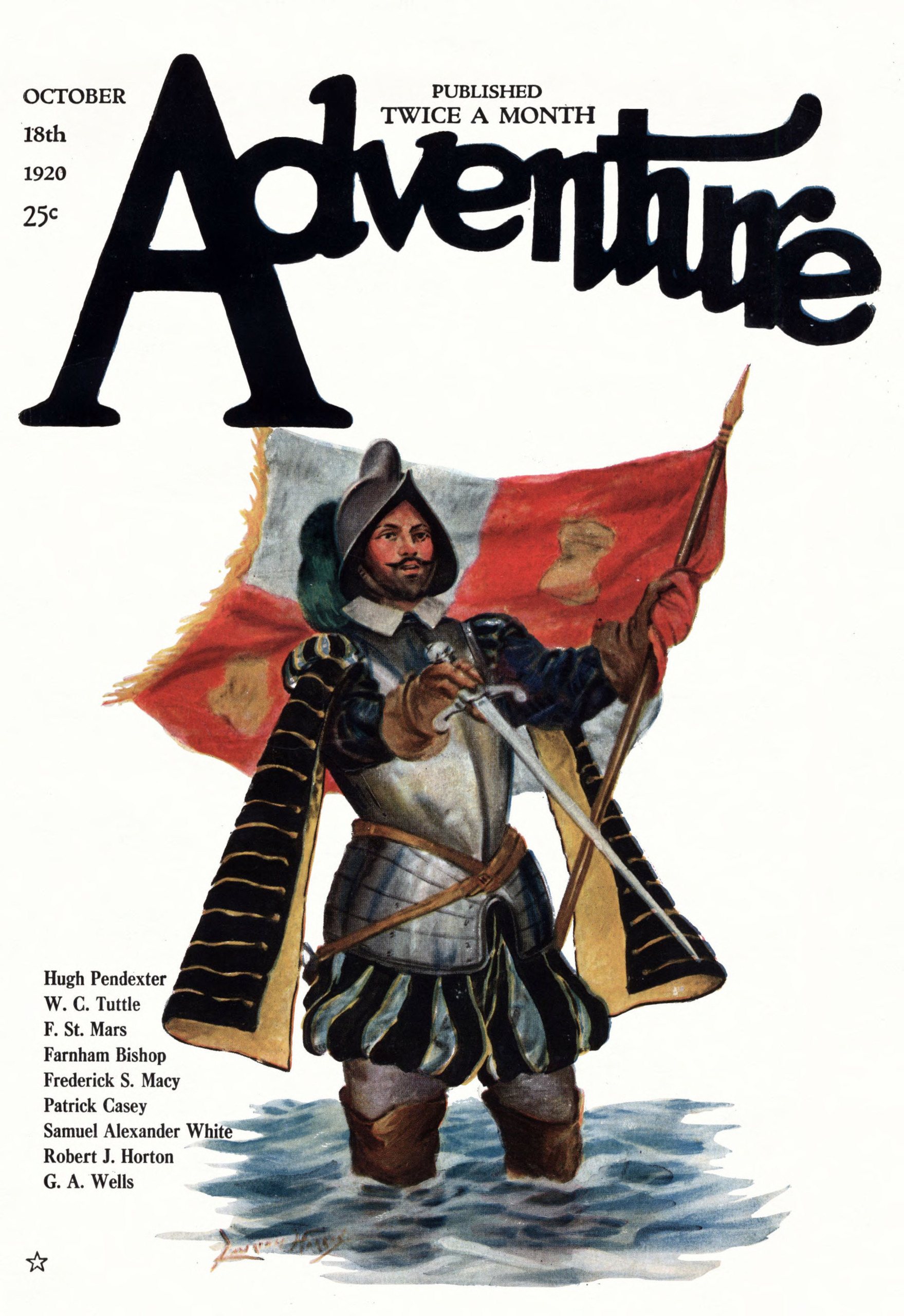
Helped by a Horse Doctor
In the rough-and-tumble frontier town of Piperock, cowpoke Ike Harper finds his partner Magpie Simpkins tangled up with a traveling stranger and a get-rich-quick scheme involving a dubious fraternal order called the Loyal Legion of Lizards. What begins with a bent gun barrel and a busted skull soon spirals into a wild chain of misadventures featuring secret handshakes, life-insurance pitches sold under gunfire, a quick-thinking horse doctor, and a goat with ambitions of its own. Equal parts tall tale and slapstick farce, W. C. Tuttle's yarn captures the drawl, grit, and gleeful absurdity of the Old West at its most ornery. A rollicking comedic Western first published in the pages of Adventure magazine, this Piperock story stands as a classic of pulp-era frontier humor.
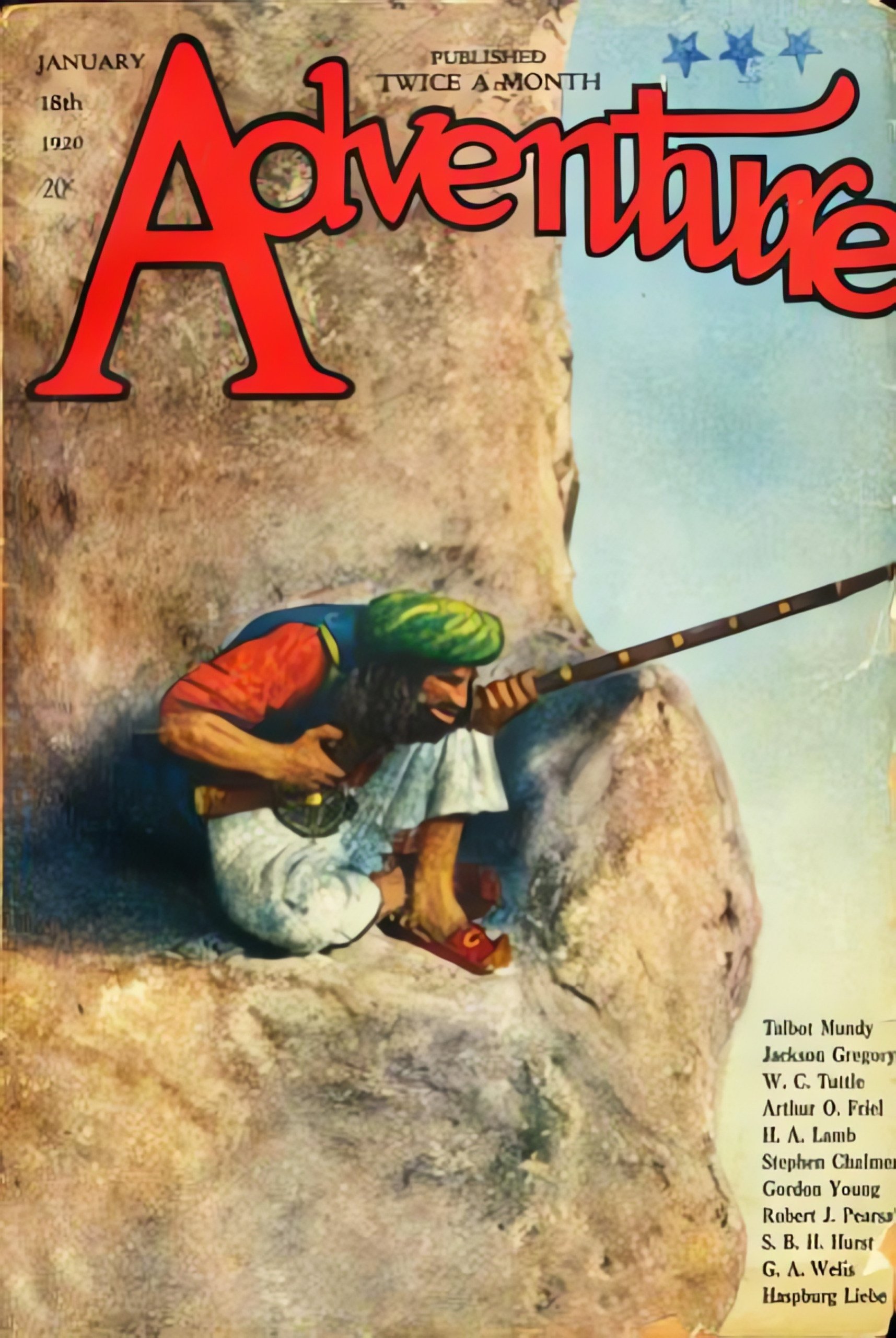
Ike Harper’s Historical Holiday
In the rowdy frontier town of Piperock, a simple debate over where to hold the Fourth of July celebration spirals into glorious small-town chaos. When the question of who actually started the holiday ignites arguments among cowboys, a judge, a sheriff, and a saloon keeper — each more confident and more wrong than the last — narrator Ike Harper finds himself dragged into a madcap reenactment of Washington crossing the Delaware, complete with half-broke broncs, a mounted band, and an involuntary swim down the river. W. C. Tuttle's sharp comic ear captures the bluster and camaraderie of the Old West in a tale that proves one truth above all others: in Piperock, no holiday goes unpunished.
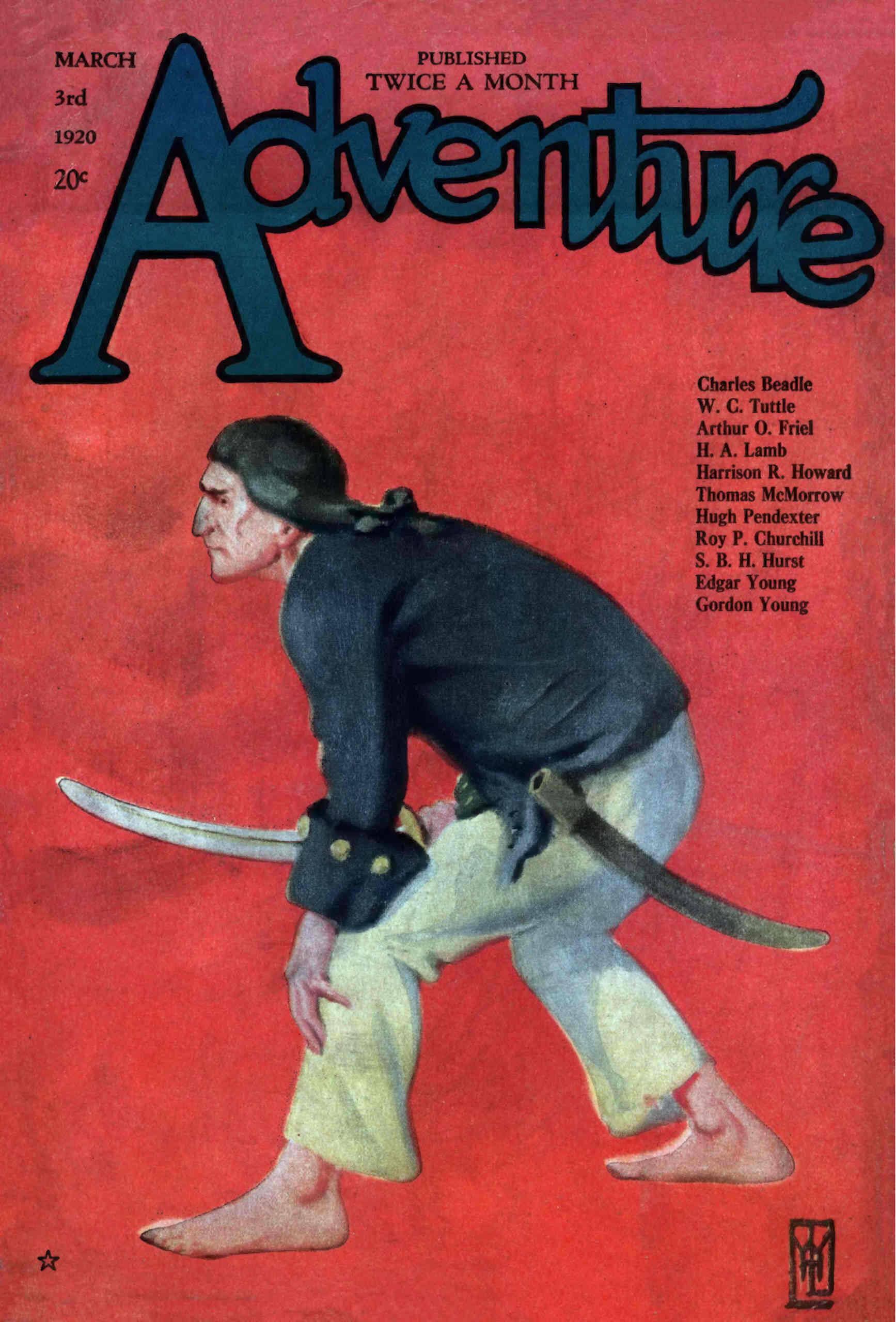
Shepherds for Science
In the sun-blasted hills of Yaller Rock County, two reluctant drifters find themselves deputized into the least desirable duty in the West: guarding a disputed flock of sheep. Their misadventures multiply when a pair of earnest Eastern professors arrive to investigate whether shepherding truly drives men mad. Blending frontier dialect, slapstick calamity, and sharp comic timing, this classic Western yarn turns range rivalry and scientific curiosity into a riotous test of nerve, pride, and common sense.
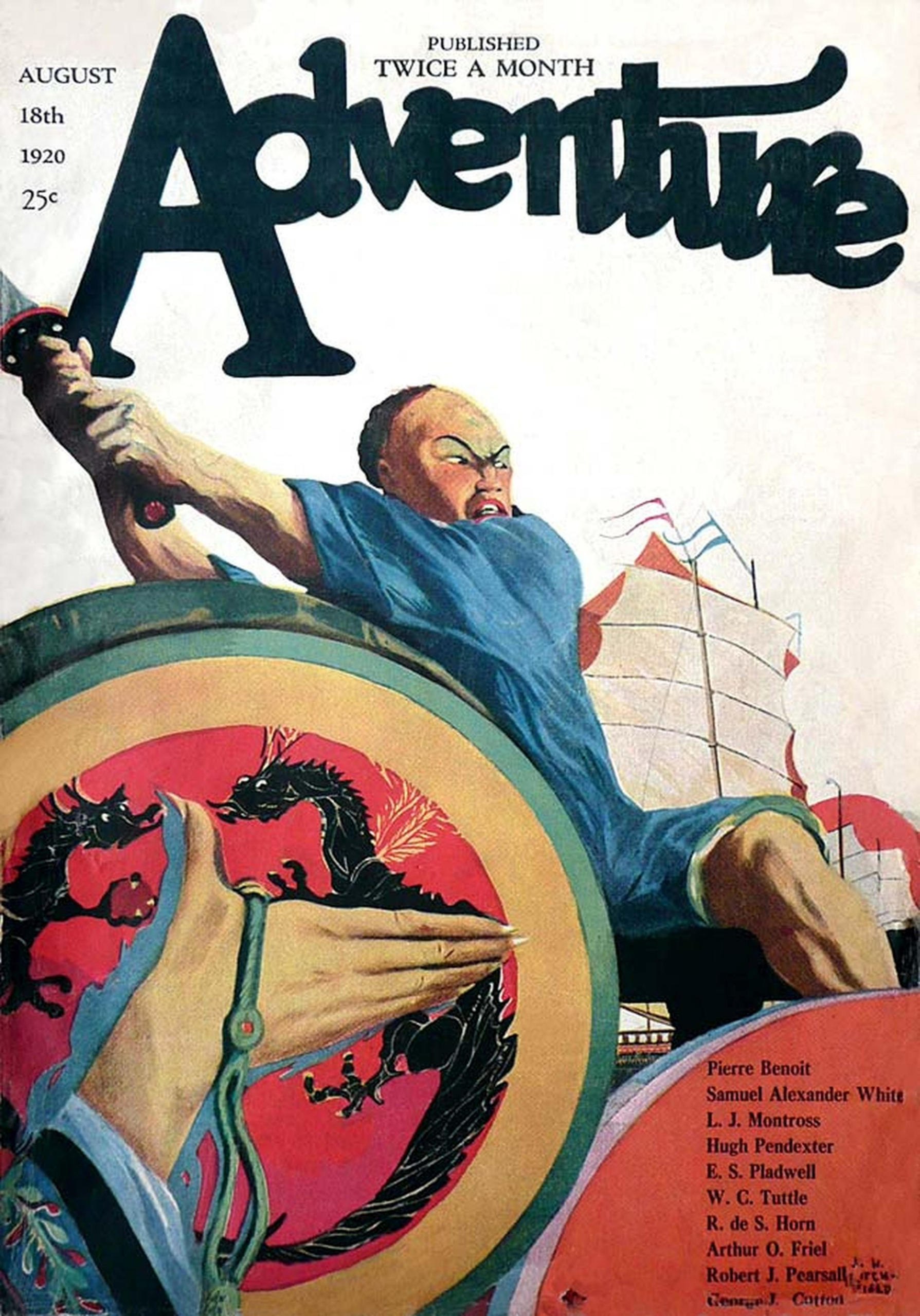
Sparing the Family Tree
In W. C. Tuttle’s comic Western tale, desert wanderers Yallerstone Brown and Taos Thompson leave the cactus country for a matrimonial adventure that quickly tangles love, money, and mistaken identity. Drawn from prospecting trails into polite society, the pair collide with inheritance schemes, aliases, and the absurd rituals of civilization. Full of frontier vernacular, slapstick reversals, and dry desert humor, this lively story captures the unruly charm of early twentieth-century Western comedy.
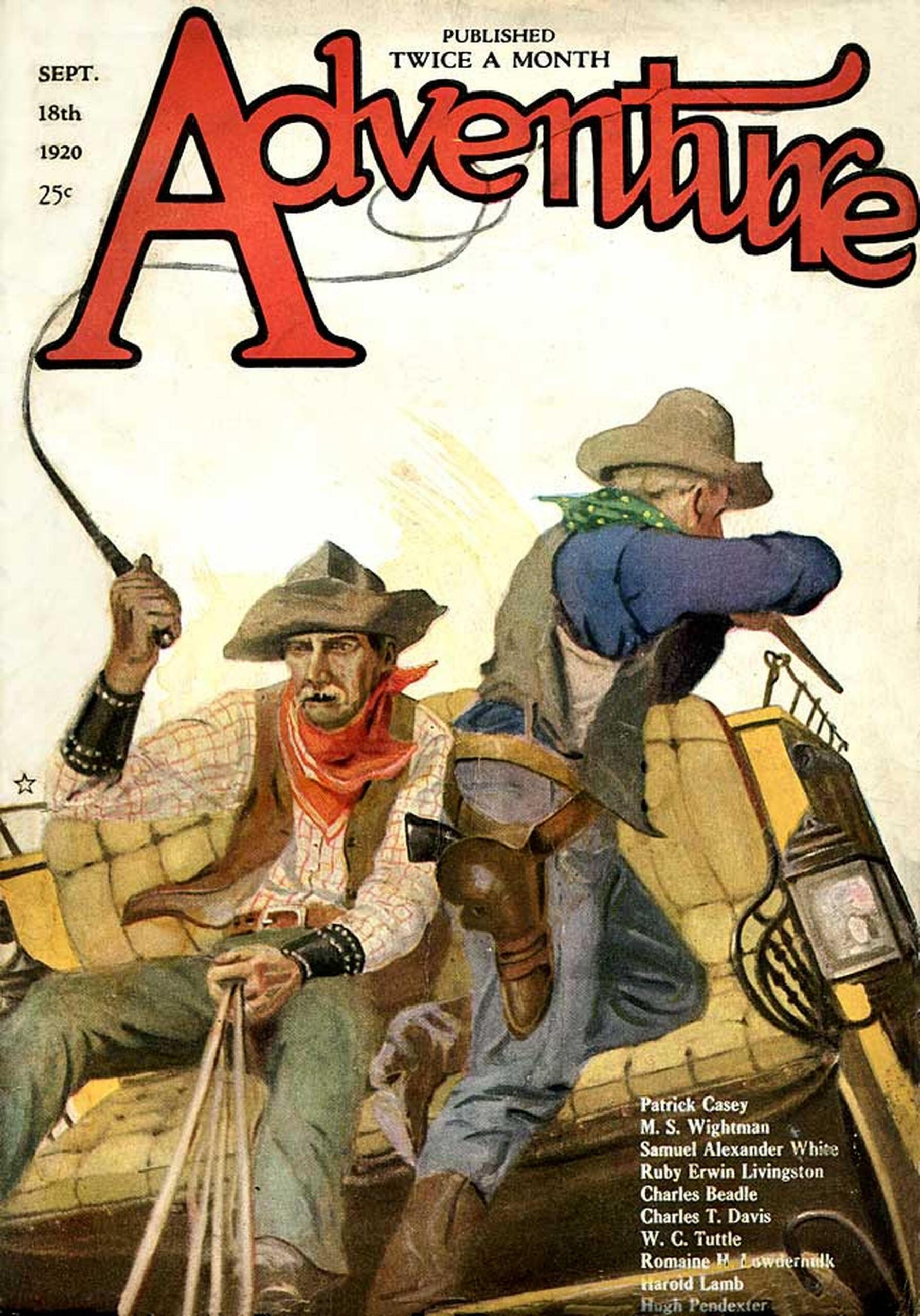
The Wisdom of the Ouija
In the lawless, laugh-filled mining town of Piperock, a mysterious “wee-gee” board turns idle curiosity into a full-blown public spectacle. As cowboys, shopkeepers, sheriffs, and self-styled spiritualists gather for messages from beyond the veil, old grudges and frontier foolishness begin to surface. W. C. Tuttle’s comic Western tale blends tall-talk narration, supernatural satire, and rowdy small-town mischief in a sharply drawn portrait of Yaller Rock County.
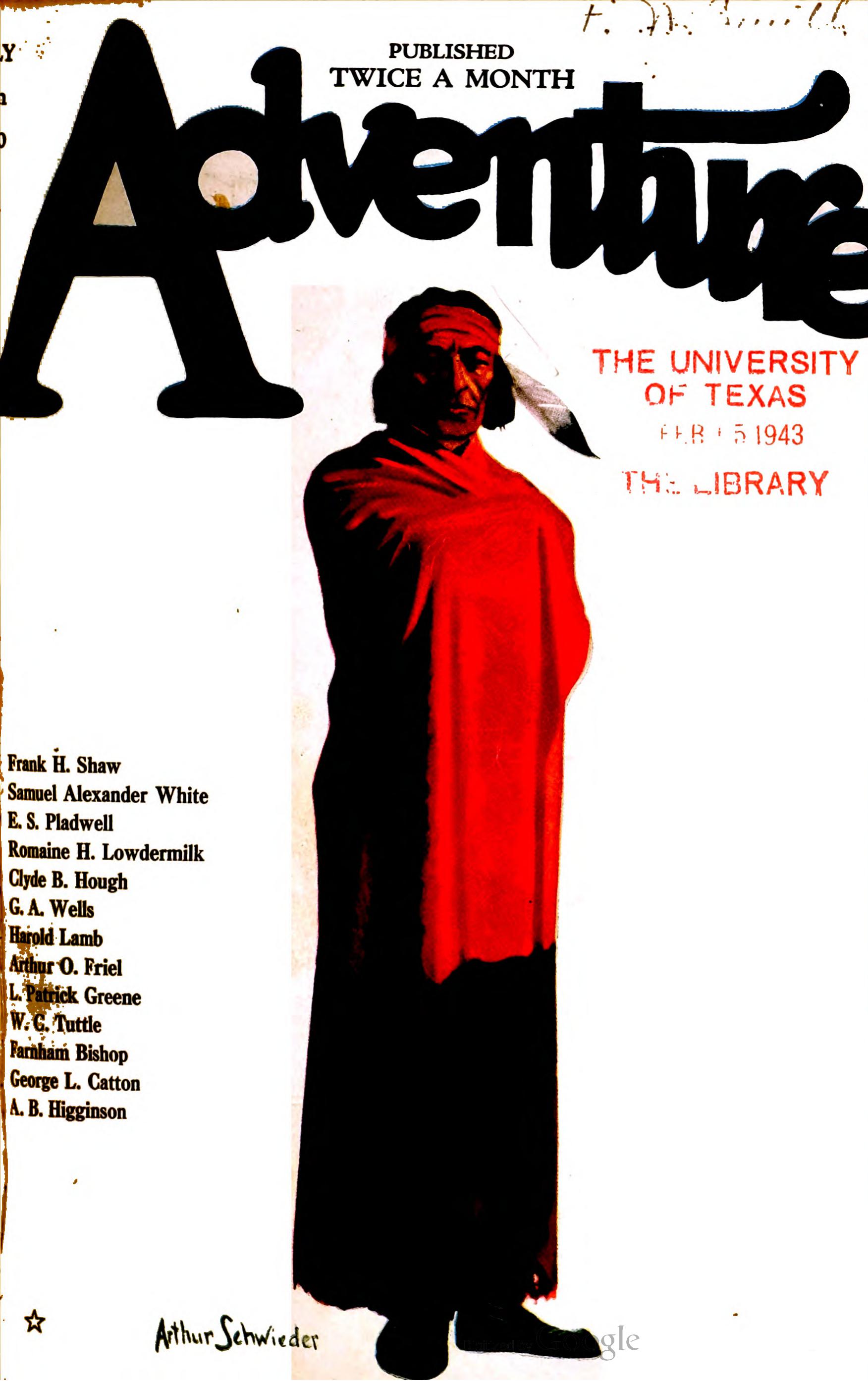
“Hashknife”—Philanthropist
Drifting into Badger City with empty pockets and loaded reputations, Hashknife Hartley and Sleepy Stevens find themselves mistaken for hired detectives, wanted outlaws, and dangerous troublemakers all at once. In a range country plagued by vanishing cattle, crooked officials, and old grievances, the pair’s dry wit and quick guns draw them into a mystery no honest cowman seems able to solve. Blending frontier humor, hardboiled Western action, and a sharp eye for rough justice, “Hashknife—Philanthropist” follows two reluctant do-gooders through a town where generosity can be as risky as gunplay.
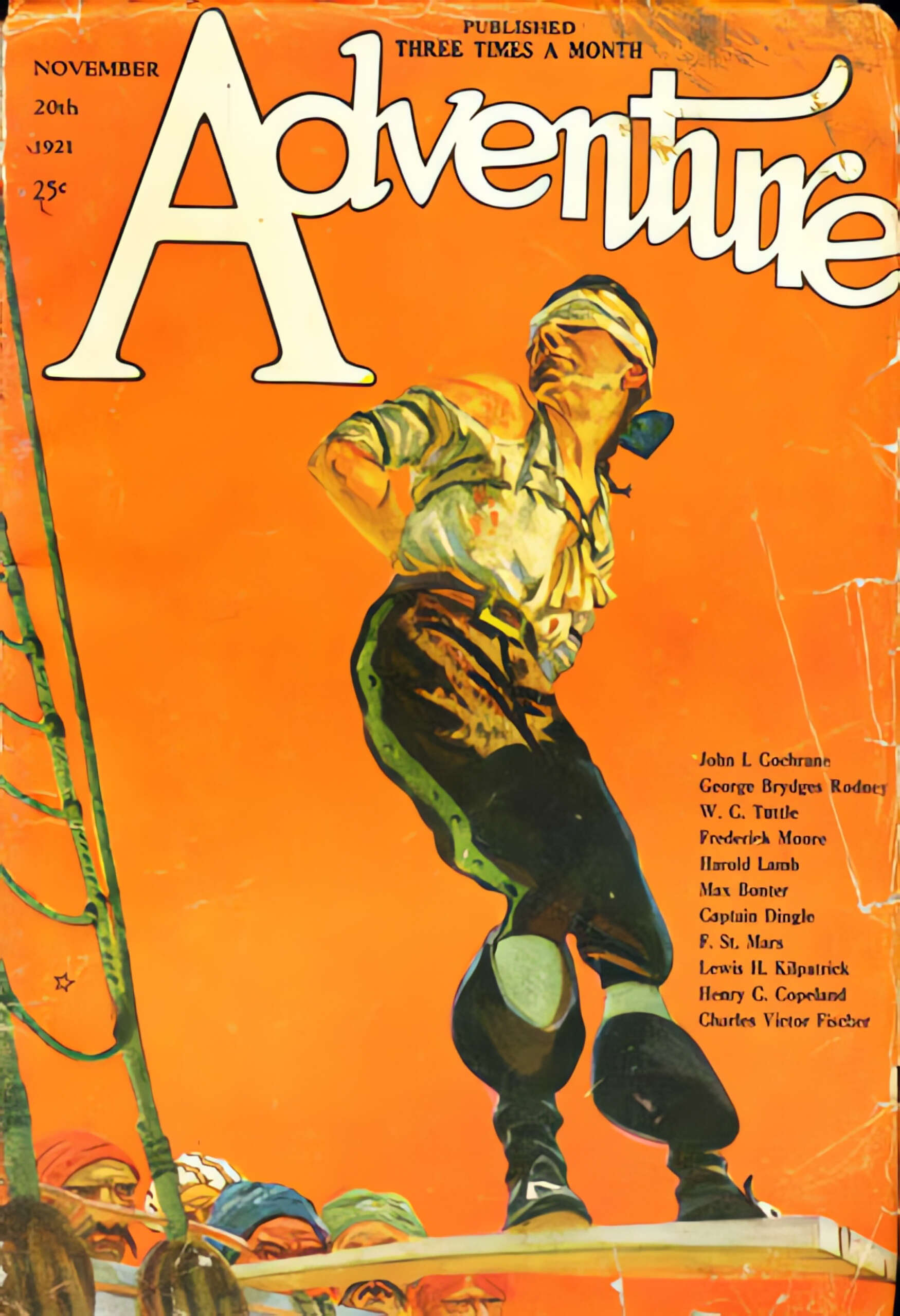
Blame It on Brother Bill
In W. C. Tuttle’s raucous Western comedy, the woman-shy rancher Jay Bird Whittaker and his Cross-J cowboys find their quiet lives upended by a misread letter, a reckless telegram, and the rumored arrival of two mysterious women from Montana. Set amid the dust, bravado, and comic chaos of Paradise, the story skewers cowboy heroics, small-town ceremony, and romantic imagination with fast-talking frontier wit. A lively tale of mistaken identity and ranch-house mayhem, it captures the tall-tale humor of early twentieth-century Western fiction.
Creepin’ Tintypes
In W. C. Tuttle’s comic Western tale, two reluctant drifters are lured back toward the notorious town of Piperock by a motion-picture man chasing the “real” Wild West. Disguises, frontier bravado, and a dangerous appetite for authenticity collide as the pair try to survive a town where every joke can turn into gunfire. Blending tall-tale humor with early cinema satire, “Creepin’ Tintypes” captures the rowdy absurdity of Western legend in full gallop.
Law Rustlers
Drifting cowpunchers Hashknife Hartley and Sleepy Stevens swore they were done with Willer Crick, the isolated hill colony whose homemade laws, tangled bloodlines, and trigger-happy clannishness make it the most notorious settlement on the range. But when spring fever sets them wandering, the open trail leads straight back to the old faded sign at the forks of the road. There a lanky circuit preacher, an unforgettable girl with a rifle, and a community ruled by a crooked council pull the two partners into one last reckoning with the Crick's peculiar justice. Brimming with dry frontier humor, six-gun action, and the easy banter of two saddle pards, this classic pulp Western from the pages of Adventure Magazine pits common decency against a law unto itself.
Sun-Dog Trails
When a runaway team sends their wagon crashing into a stagecoach mid-robbery, cowboys Brick Davidson and Silent Slade stumble into a mystery bigger than a wrecked Schuttler and a dead pinto. A hundred pounds of stolen gold, a masked woman with a steady rifle hand, and a cryptic note found in the road set the pair on a trail that leads straight to the crumbling Weeping Tree ranch—and a name that changes everything. In a county where the sheriff rides to crime scenes in a top-buggy and three hundred voters turn out to be liars, justice may have to come from a different direction entirely. W. C. Tuttle's Sun-Dog Trails is a sharply drawn Western comedy-mystery alive with deadpan wit, colorful characters, and the slow, deliberate justice of men who know better than to show all their cards at once.
The Devil’s Dooryard
When drifting cowpunchers Hashknife Hartley and Sleepy Stevens ride into Sundown City, they land in the middle of a blazing gunfight and a decades-old feud that has just claimed the lives of two rival ranch owners. Signing on with the embattled Circle Dot, they find a range plagued by vanishing cattle, bushwhackers, and a scorched volcanic badland known as the Devil's Dooryard, where trouble has a way of finding trespassers. Matters take an unexpected turn when the ranch's new owner arrives from San Francisco—a city-bred young woman wholly unprepared for life on a feuding frontier. With wry humor and quick guns, Hashknife sets out to untangle the mystery behind the rustling before the range war consumes them all. A classic pulp Western brimming with banter, six-gun action, and old-fashioned cowboy grit.
The Sheriff of Sun-Dog
In the sun-blasted cattle country of Sun-Dog County, newly appointed sheriff Brick Davidson sets out to enforce an unpopular order that challenges the old ways of the range. With rustling, rival ranchers, and hard-bitten cowmen closing ranks, Brick’s quick wit and stubborn sense of justice put him squarely in the path of danger. When a violent incident casts suspicion on the very man sworn to uphold the law, he must navigate a town of shifting loyalties, frontier codes, and buried grudges. W. C. Tuttle’s classic Western blends humor, mystery, and range-war tension in a vivid portrait of law and honor on the open range.
Tippecanoe and Cougars Two
High in the mountains above Piperock, prospectors Ike Harper and Magpie Simpkins are minding their own business when a sputtering automobile climbs the road to their hillside cabin, carrying the most absent-minded pair the West has ever seen: "Tippecanoe" Seeley, a guide who can't remember his own boots, and Professor Aloysius Van Fleet, a bespectacled tenderfoot bent on filming wild cougars with a moving-picture camera. Add a long-suffering wife, a wide-eyed daughter, and a fastidious English lord to the party, and the stage is set for a tangle of ropes, claws, dust, and dialect-laced disaster. Narrated in the salty vernacular of a cowboy who has clearly seen too much, W. C. Tuttle's tall tale of the Montana high country is pure frontier slapstick from start to finish. First published in Adventure magazine in 1921, it remains a vintage gem of pulp-era Western humor.
Ajax, For Example
In the rough-and-ready world of Yaller Rock County, two seasoned Westerners find their patience tested by Professor Ajax Ulysses Green, a scholarly Easterner whose scientific ambitions far exceed his frontier common sense. As Ajax pursues his mysterious research among cowboys, miners, judges, and suspicious locals, learned language collides with hard-bitten horse sense to comic effect. W. C. Tuttle’s lively tale blends Western humor, tall-tale absurdity, and satirical frontier character writing in a sharply voiced portrait of book learning gone astray.
Flames of the Storm
In the drought-stricken valley of Moon River, where parched rangeland has turned cattlemen desperate and the arrival of sheep has lit a powder keg, a drifting cowboy named Skeeter Bill Sarg rides into trouble he never asked for. After a violent misunderstanding leaves him afoot, he befriends Jim Kirk, an ailing easterner herding sheep to survive, and Kirk's devoted wife—a couple caught in the crossfire of a brutal range war. Bound by his own rough code of honor, Skeeter Bill defies an embargo, a hostile town, and powerful cattle interests to stand by the strangers who need him. But when he stumbles upon a body at the sheep camp, his loyalty puts him squarely between a determined sheriff and a noose. A classic tale of frontier justice, sacrifice, and unexpected friendship from a master of the Western pulp tradition.
Powder Law
In the brutal badlands of 1880 Montana, two drifting outsiders ride into a frontier where law has become a weapon and power belongs to the boldest hand. As vigilante violence, cattle-range tyranny, and a restless boomtown close in around them, Blaze Carlin and Frenchy Ditteau find themselves drawn into a struggle over justice, loyalty, and survival. Rich with dust, danger, and moral reckoning, this classic Western captures a raw borderland where every choice carries the weight of consequence.
Shotgun Gold
In the lawless cow-town of Turquoise City, a fragile campaign for reform collides with gamblers, cattlemen, and old frontier grudges. When a crooked card game turns deadly, suspicion falls on Pete Conley, drawing Sheriff Roaring Rigby into a dangerous fight to uphold justice against a mob’s revenge. Against the backdrop of Black Horse County’s saloons, ranch rivalries, and moonlit desert trails, loyalties are tested and hidden motives begin to surface. W. C. Tuttle’s Shotgun Gold delivers a classic Hashknife and Sleepy Western rich with frontier humor, hard-riding action, and tense moral reckonings.
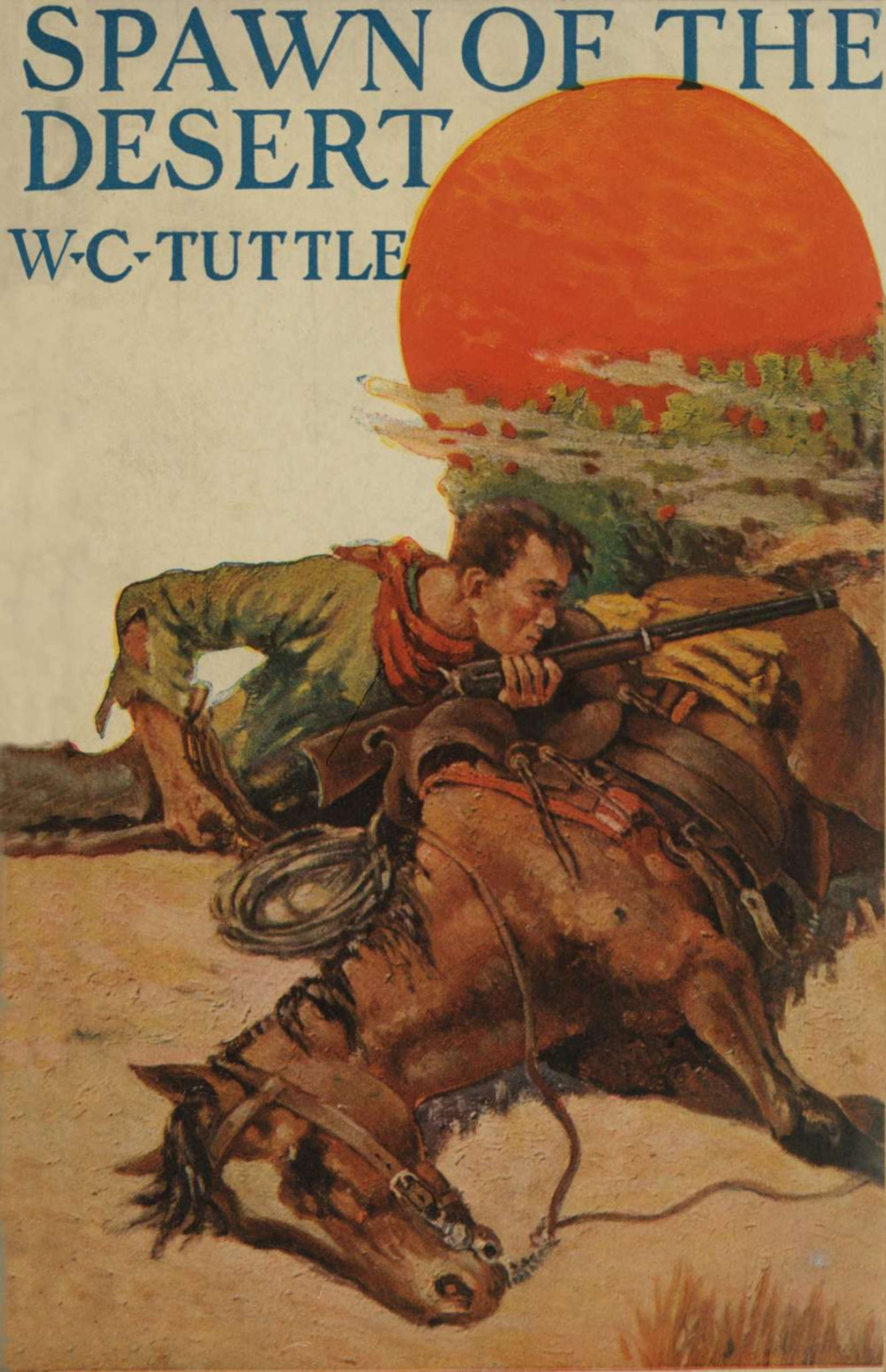
Spawn of the Desert
In the sun-scorched silver camp of Calico, where water costs more than whiskey and the graveyard known as Hell's Depot fills faster than the church pews, two mysterious drifters arrive out of the desert haze. Paget Le Saint, a white-bearded patriarch with the face of a prophet and the past of an outlaw, is mistaken for a preacher—a role he wears as easily as his secrets. At his side walks Duke Steele, a quiet gunman who alone suspects how dangerous his companion truly is. When the camp's iron-fisted boss, Silver Sleed, hears the old man's name, something in him shifts—and his sheltered daughter, hungry for learning, draws both strangers into a tangle of hidden histories. Beneath the painted cliffs of the Calico Mountains, the desert keeps its mysteries—but not forever.
The Ranch of the Tombstones
When Hashknife Hartley and Sleepy Stevens ride into Montana’s Lodge-Pole country looking for work, they find the Tombstone Ranch shadowed by stolen grave markers, bitter feuds, and a reputation no sensible cowhand would envy. A murdered ranch hand, a frightened old cattleman, and a mysterious letter from Boston draw the partners into a trail of suspicion that stretches from lonely range roads to the smoky corners of Caldwell’s saloons. Blending dry frontier humor with hard-boiled range mystery, W. C. Tuttle’s Western tale sends two sharp-eyed drifters into a country where every joke may hide a grudge and every rifle shot may carry a secret.
The Spark of Skeeter Bill
In the lawless gold camp of Sunbeam, Skeeter Bill Sarg is an outlaw with an uncommon code: he may steal, but he will not lie. When betrayal, violence, and a preacher’s unlikely mission collide on the desert trail, Skeeter finds himself drawn into a fight for justice in a town ruled by fear. Blending frontier humor, moral contradiction, and hard-edged Western adventure, this classic tale follows a reluctant rogue whose honesty may be the spark that changes Sunbeam.
Too Much Progress for Piperock
When a mysterious interpretive dancer arrives in the rough-edged cattle town of Piperock, the community’s uneasy peace gives way to vanity, jealousy, and comic ambition. As cowboys, husbands, wives, and self-appointed civic leaders vie to prove their sophistication, the frontier settlement finds itself swept into a hilariously ill-fitted march toward modern culture. W. C. Tuttle’s satirical Western tale blends rustic dialect, slapstick energy, and small-town rivalry in a spirited portrait of progress arriving faster than Piperock can handle.
Wise Men and a Mule
In the rough-and-tumble town of Piperock, a well-meaning Christmas entertainment turns into a frontier spectacle no committee could safely control. W. C. Tuttle’s comic Western tale follows Ike Harper, Dirty Shirt Jones, and a cast of hard-luck cowpunchers as they attempt a solemn holiday tableau involving wise men, local music, and one unforgettable mule. Written in lively dialect and packed with slapstick frontier humor, this public-domain story captures the chaos, camaraderie, and comic bravado of early twentieth-century Western fiction.
According to Ng Loy
On the snowbound forks of Trinity Creek, three unlikely partners—an aging Chinese prospector, a stoic Swede, and a quick-tongued Irishman—find their fortunes bound together by a small carved ivory elephant said to bring luck and happiness to its owner. When Lars Anderson and Jimmy Mulcahy stumble half-frozen into Ng Loy's tiny cabin during a killing blizzard, the old miner takes them in, shares his claim, and offers them his most treasured talisman. But fortune is a fickle dealer, and when the charm later goes missing, suspicion poisons the bond between the three friends and threatens to undo what fate has so improbably built. W. C. Tuttle weaves superstition, hardship, and quiet wisdom into a meditation on luck, loyalty, and the cost of mistrust. First published in Adventure magazine in 1923, the story is a classic of the Northern frontier tradition.
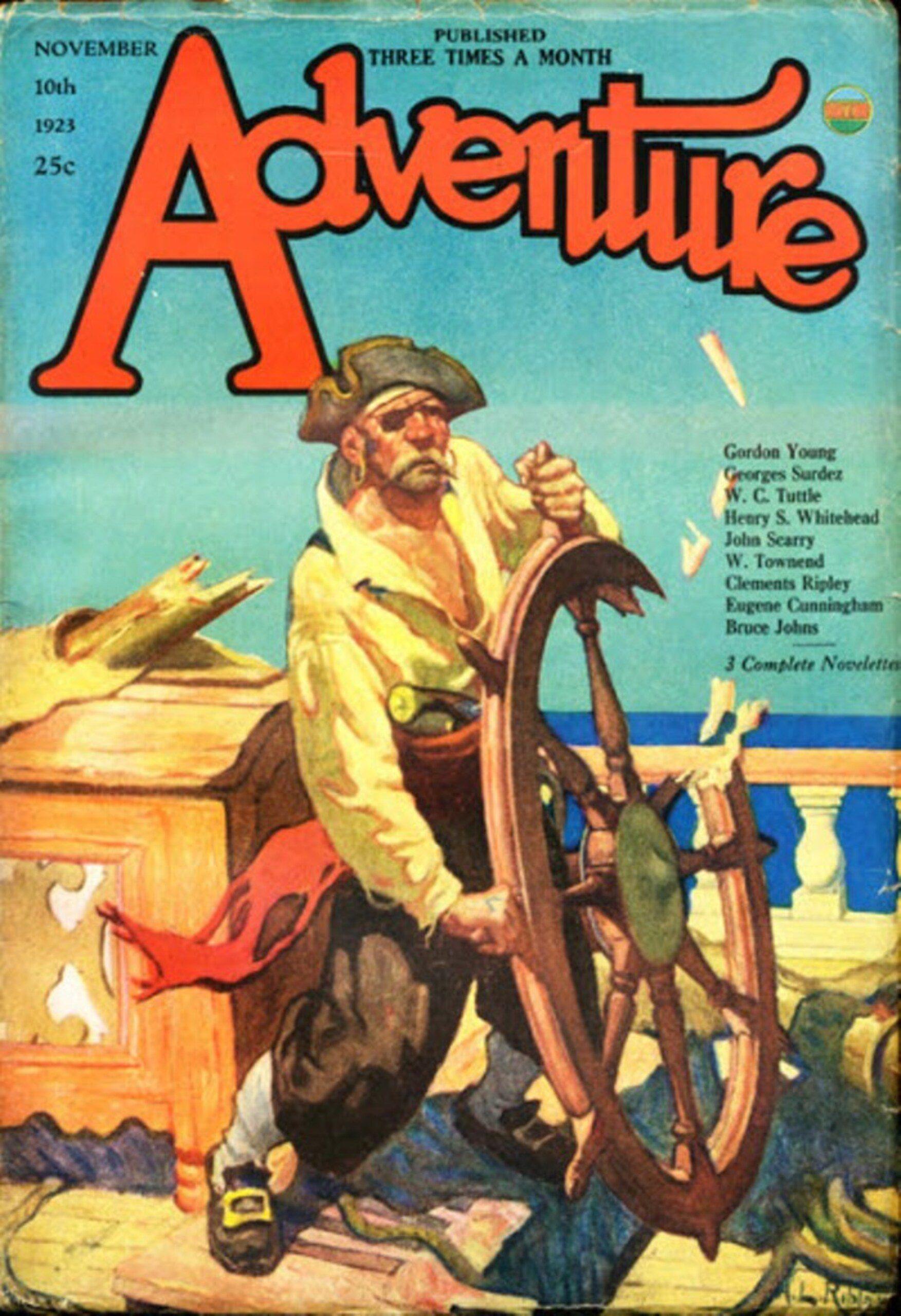
Blind Trails
In the mountain-locked cattle country of Chinook Valley, Peace River Parker is a respected cowpuncher whose quiet strength masks a hard-won past. When the polished newcomer Frank Campion buys into the valley and begins drawing attention at the Cross L ranch, old loyalties, rivalries, and suspicions stir beneath the surface. Blending frontier humor, romantic tension, and the threat of range violence, W. C. Tuttle’s “Blind Trails” captures a Western world where reputation, restraint, and honor ride close together.
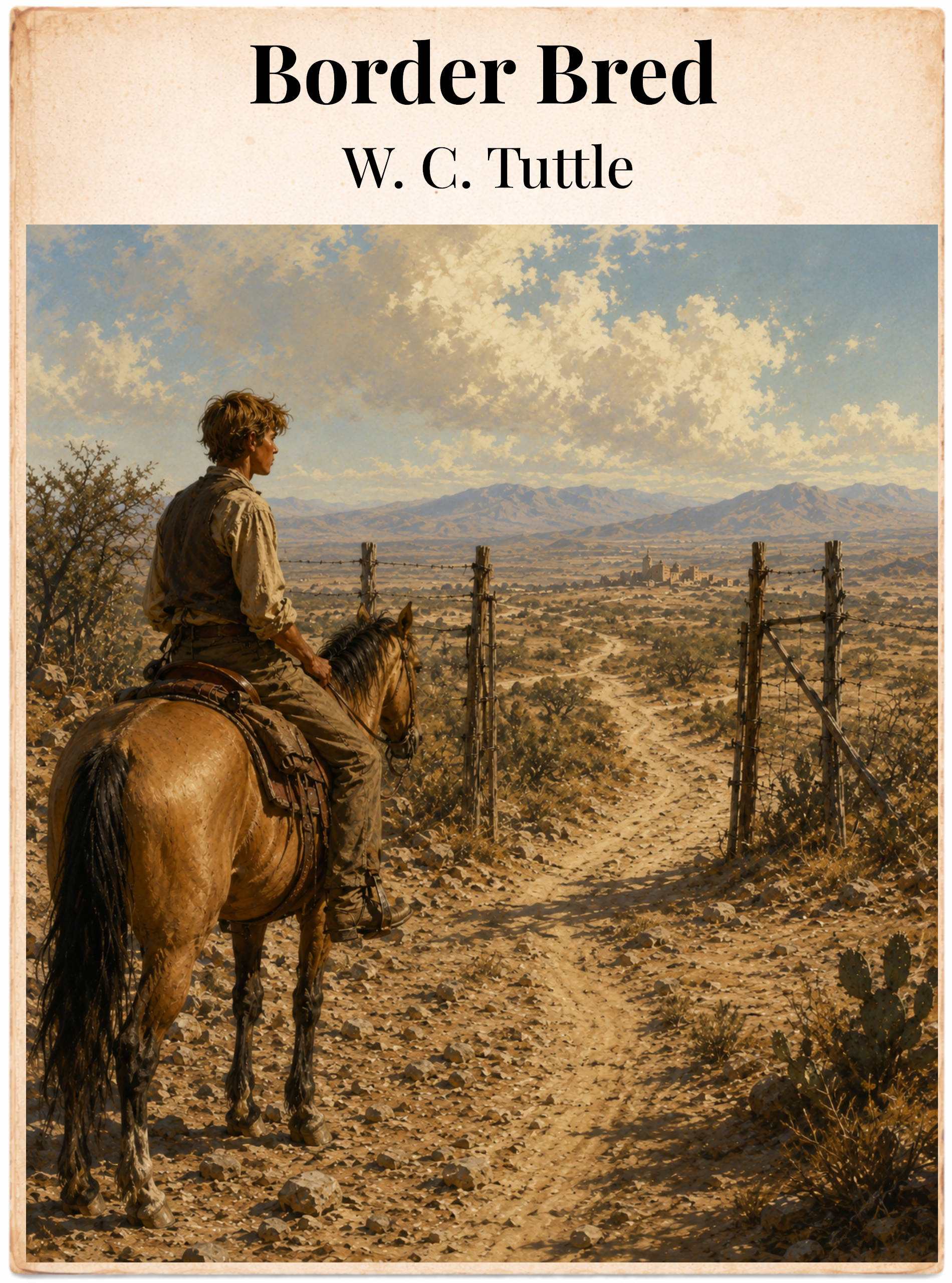
Border Bred
On a restless borderland of dusty roads, mesquite hills, and moonlit danger, young Dobie Dixon lives in the shadow of his father’s death and the lawless traffic that crosses the line. When a smuggling ring threatens an innocent child and a dangerous cargo, Dobie’s quiet courage draws him into a perilous test of loyalty, justice, and nerve. W. C. Tuttle’s frontier tale blends Western adventure, border intrigue, and coming-of-age grit in a sharply drawn portrait of a boy forced to act like a man.
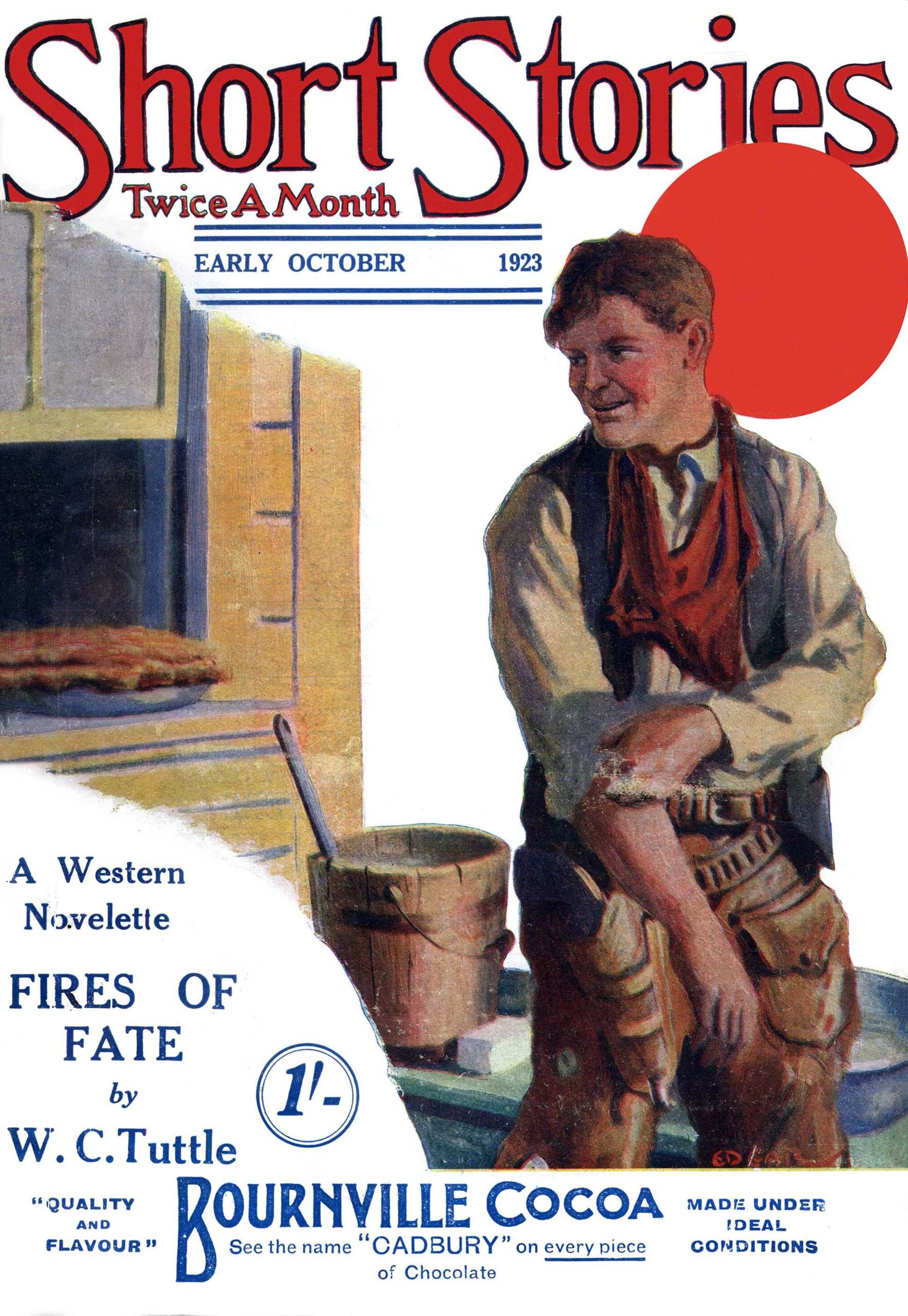
Fires of Fate
On the lawless Canadian–Montana border, Montana cowpuncher Bud Conley has traded his saddle for the scarlet jacket of the Royal Northwest Mounted Police—until a single drink of doctored whisky in Monk Magee's Kingsburg hotel leaves him disgraced, discharged, and the prime suspect in a scandal he cannot remember. Stripped of his uniform but not his nerve, Bud rides out alone toward the very nest of outlaws that framed him, determined to clear his name and break a town no Mountie has yet been able to crack. When the next officer sent into Kingsburg turns up dead in the street and Bud's own revolver is found beside a rifled safe, the case against him hardens from disgrace into something far blacker. With a vengeful half-breed gambler on his trail and the woman he loves convinced of his guilt, Bud must walk the knife-edge between badge and outlaw to deliver the kind of justice the law alone cannot reach. W. C. Tuttle's hard-riding border tale pits one ex-cowpuncher against a town built on smuggled whisky, stolen cattle, and the long memory of the Mounted.
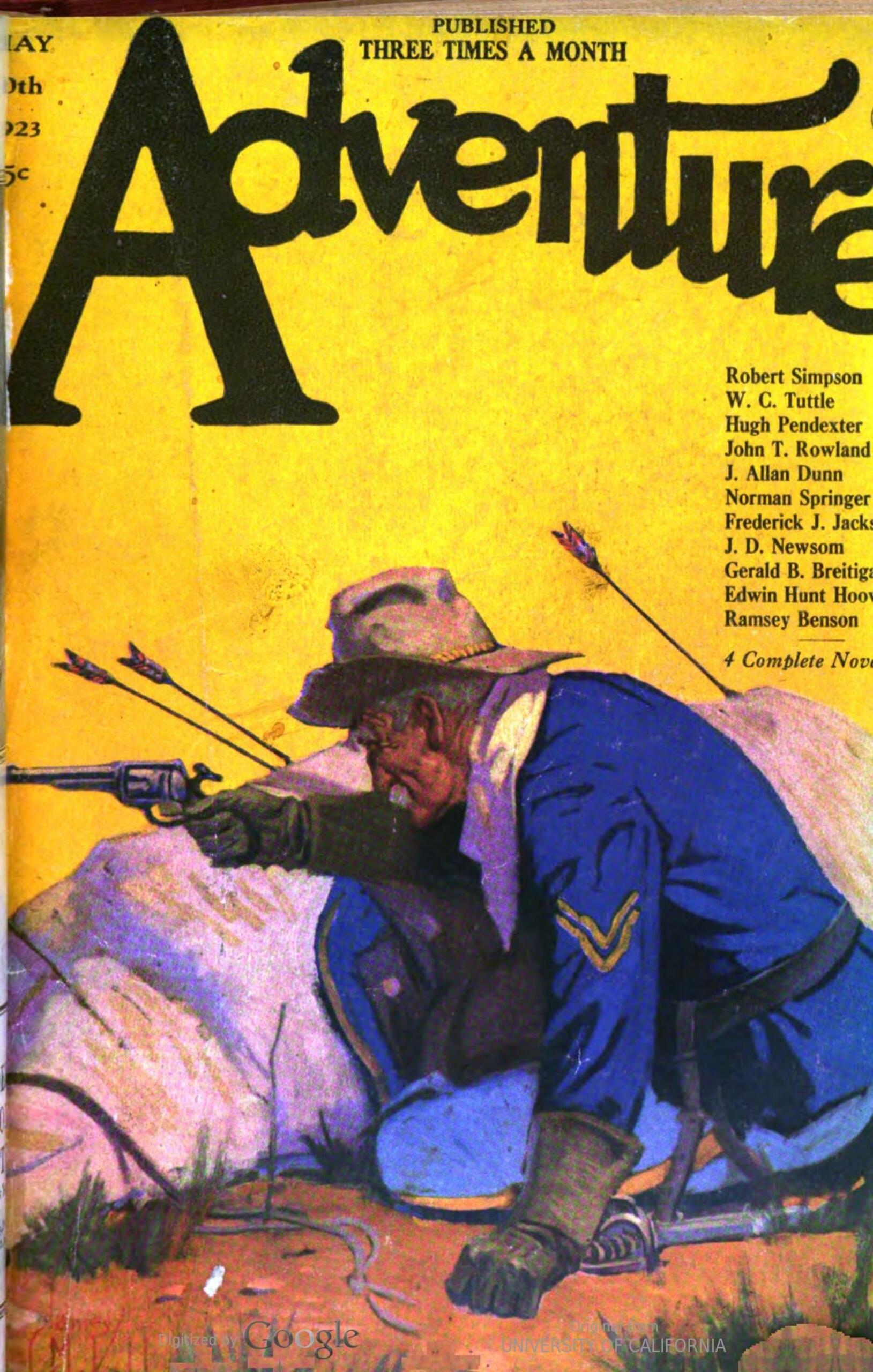
Peace Medicine
In the isolated cattle country of Chinook Valley, old loyalties and buried accusations simmer beneath the promise of spring. When Peace River Parker returns from prison to a land that branded him outlaw, he is drawn into a dangerous struggle between cattlemen, sheepmen, and the ruthless ambitions of men who would claim the range by force. Against a backdrop of frontier justice, uneasy romance, and hard-won honor, “Peace Medicine” unfolds as a classic Western tale of revenge, redemption, and the fight for a valley’s soul.
Reputation
In the sleepy mission village of Santa Ynez, near the Mexican border, the locals trade tales over warm beer about a legendary killer known only as El Tigre—a man whose name alone makes hands tremble. On a night when a ferocious storm descends upon the valley, the cantina door bursts open and reputation becomes flesh. But the storm has carried more than one stranger to Santa Ynez, and before the night ends, the villagers will learn that fear, identity, and legend are not always what they seem. A classic Western tale of suspense and reversal from the pages of Adventure Magazine, 1923.
Sir Piegan Passes
In the rough mining town of Micaville, a ruthless assayer schemes to seize a poor prospector’s claim, setting greed and frontier justice on a collision course. Into this tense landscape rides the Piegan Kid, a laconic drifter whose sharp instincts and unexpected code of honor unsettle every plan laid before him. Blending dry humor, Western grit, and high-stakes deception, W. C. Tuttle’s tale captures the hazards and absurdities of ambition on the desert frontier.
Sticky Ropes
On the rugged Big Bear range, newly elected Sheriff Dusty Corbett begins his term with a stolen horse, a public challenge to the feared Sticky Rope gang, and a bullet through his office window. Armed with grit, dry humor, and an unruly sense of justice, Dusty sets out to unmask the shadowy rustlers whose syrup-marked ropes have become a warning across the cattle country. W. C. Tuttle’s Western tale blends frontier mystery, comic bravado, and hard-riding action in a lively portrait of law and disorder on the range.
The Curse of the Painted Cliffs
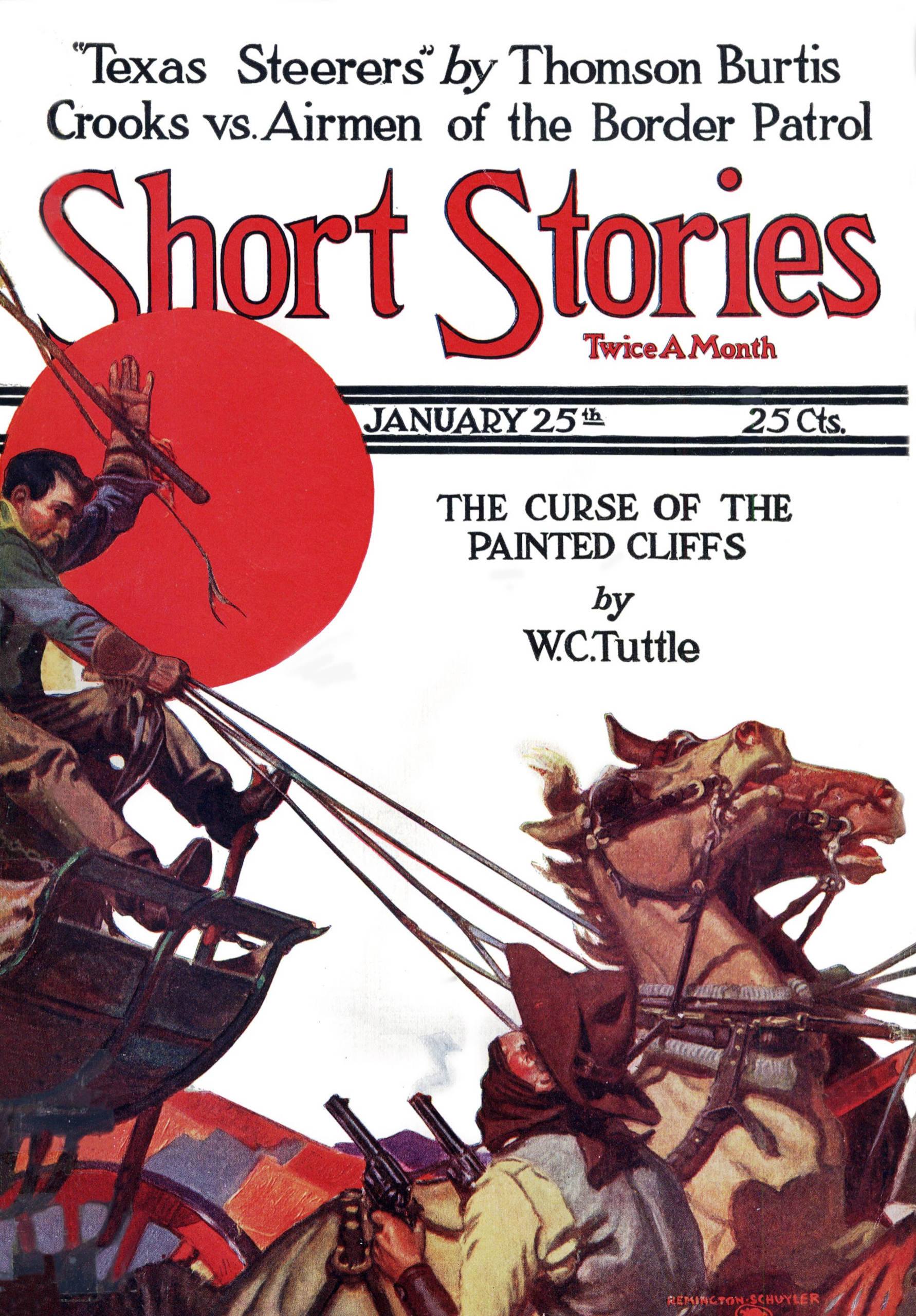
In the painted cliffs of Calico, a lawless Mojave mining town where silver dust and gun smoke mingle, Luck Sleed inherits an empire she never wanted. Haunted by a vanished gambling debt and drawn nightly to the desert’s vast silence, she searches for something beyond the canyon’s rough music and rougher men. As new power gathers behind the green cloth and the mines begin to falter, Calico tightens around her like a trap. A stark, atmospheric Western of ambition, honor, and survival at the edge of civilization.
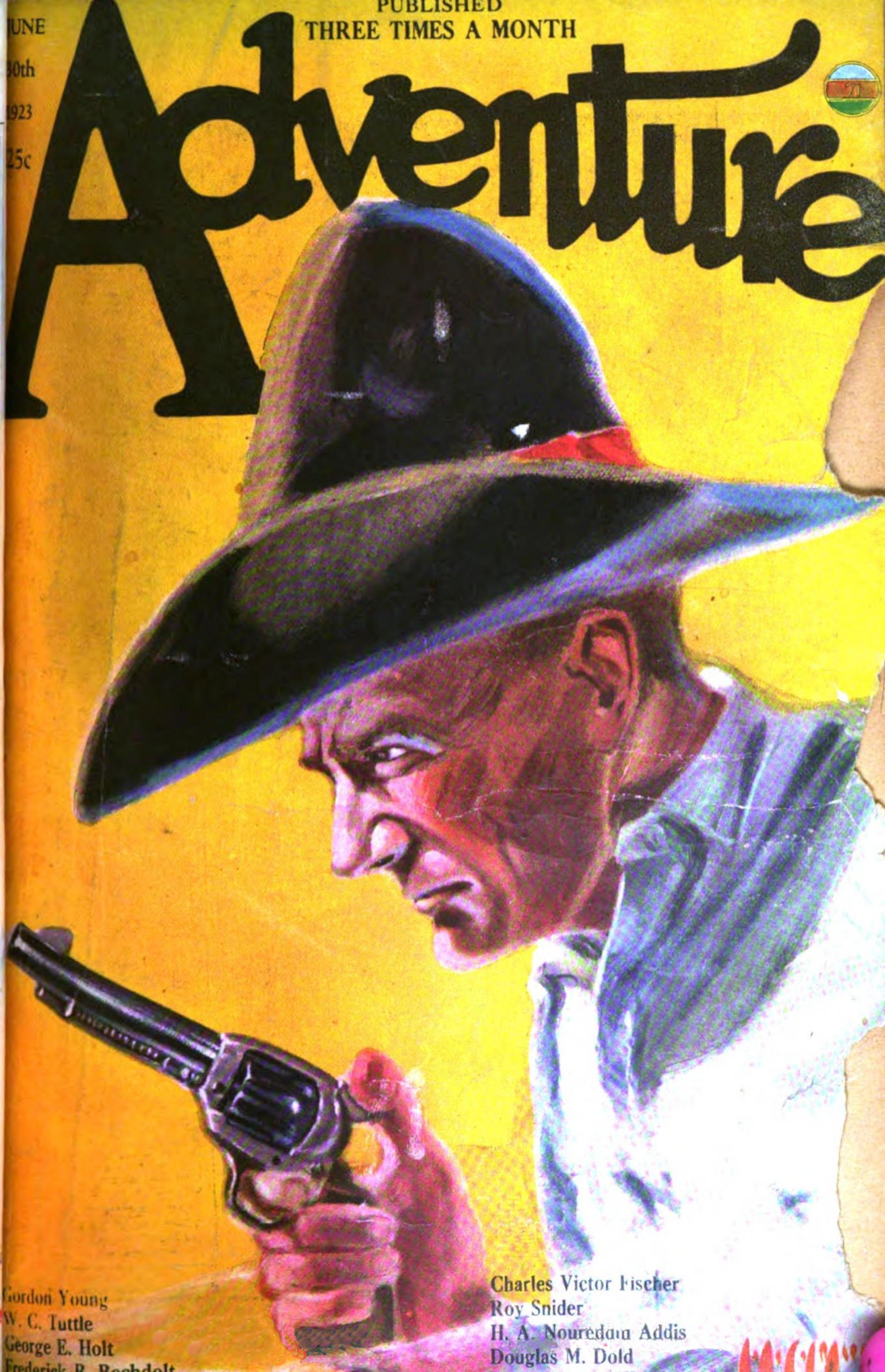
The Misdeal
At the rough-edged NR ranch near Broken Butte, four hard-bitten cowboys find themselves cheated by death, tangled in a disputed inheritance, and forced to reckon with the consequences of their own crooked work. When a refined new heiress arrives to claim the ranch, loyalties shift, tempers flare, and frontier justice takes on a sharply comic edge. W. C. Tuttle’s “The Misdeal” blends Western intrigue, outlaw humor, and colorful range-country dialogue in a tale of deception, pride, and unlikely conscience.
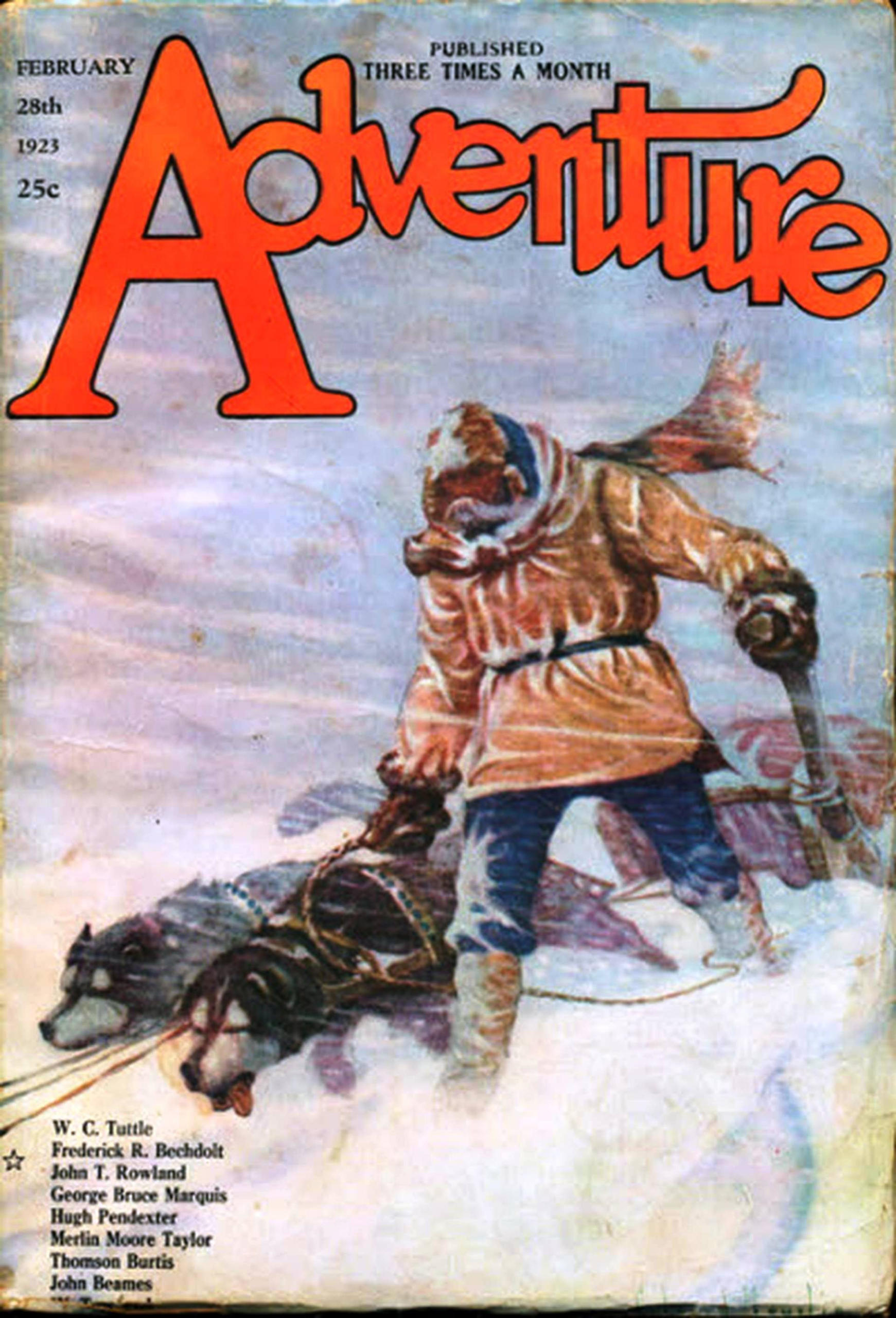
Tramps of the Range
In the dusty cow town of Moon Flats, parolee Shelby Romaine returns from prison to find his family name tied to robbery, suspicion, and the feared Black Rider. As cattlemen, lawmen, gamblers, and strangers circle the Mission River range, old grudges and buried secrets threaten to ignite a new wave of violence. W. C. Tuttle’s Western tale blends frontier mystery, hard-riding action, and moral reckoning on a range where reputation can be as deadly as a gun.
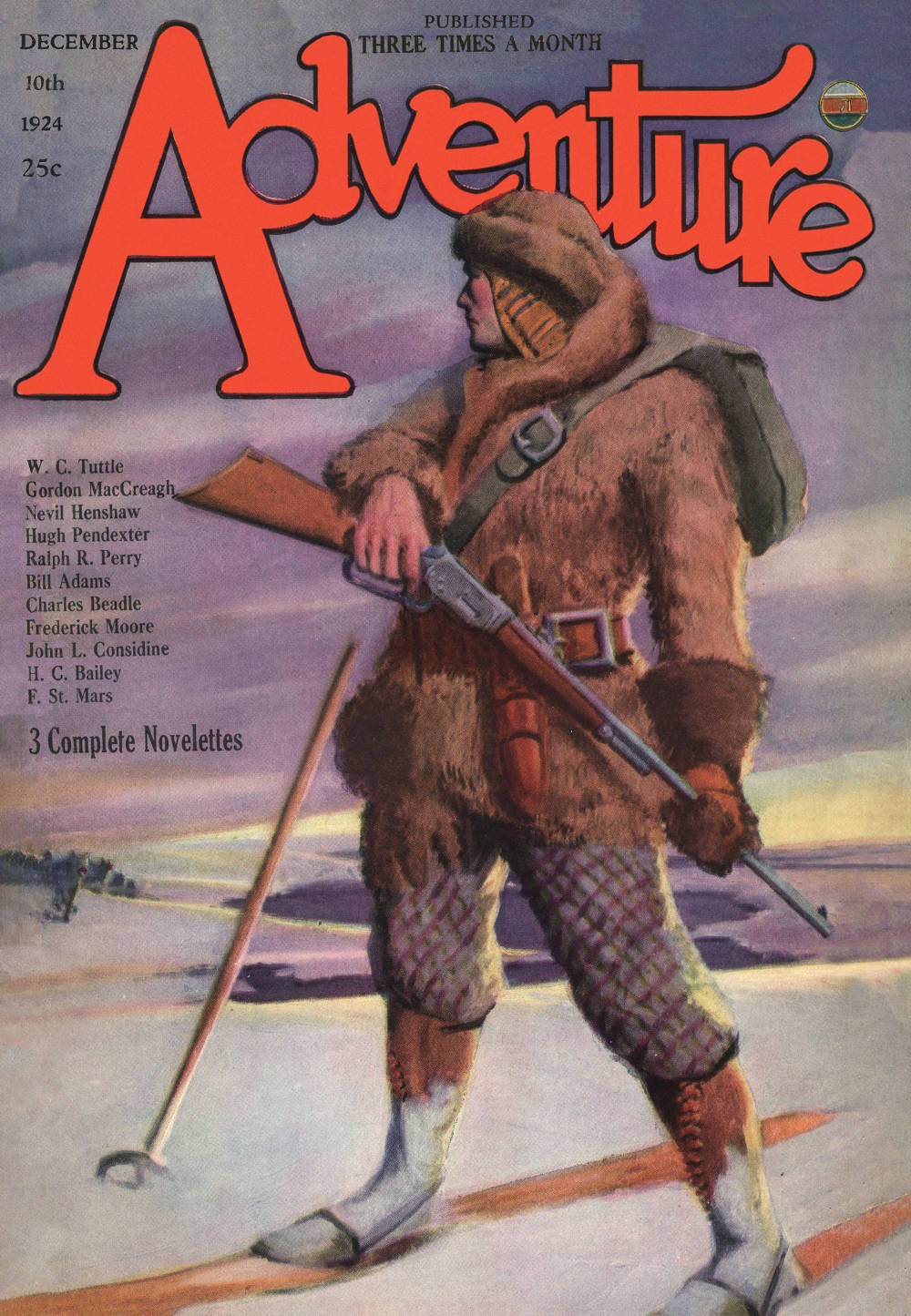
Cinders
When a powerful railroad magnate’s private car stalls in the heat-blasted reaches of the California desert, boredom, jealousy, and a careless signal set off a chain of comic misunderstandings. At lonely San Rego station, lovesick cowboy Slim Simpson finds himself tangled between a suspicious sweetheart, a flirtatious heiress, and trouble rolling down the tracks. Blending Western humor, railroad adventure, and brisk 1920s magazine storytelling, “Cinders” delivers a lively tale of romance, mistaken motives, and frontier quick thinking.
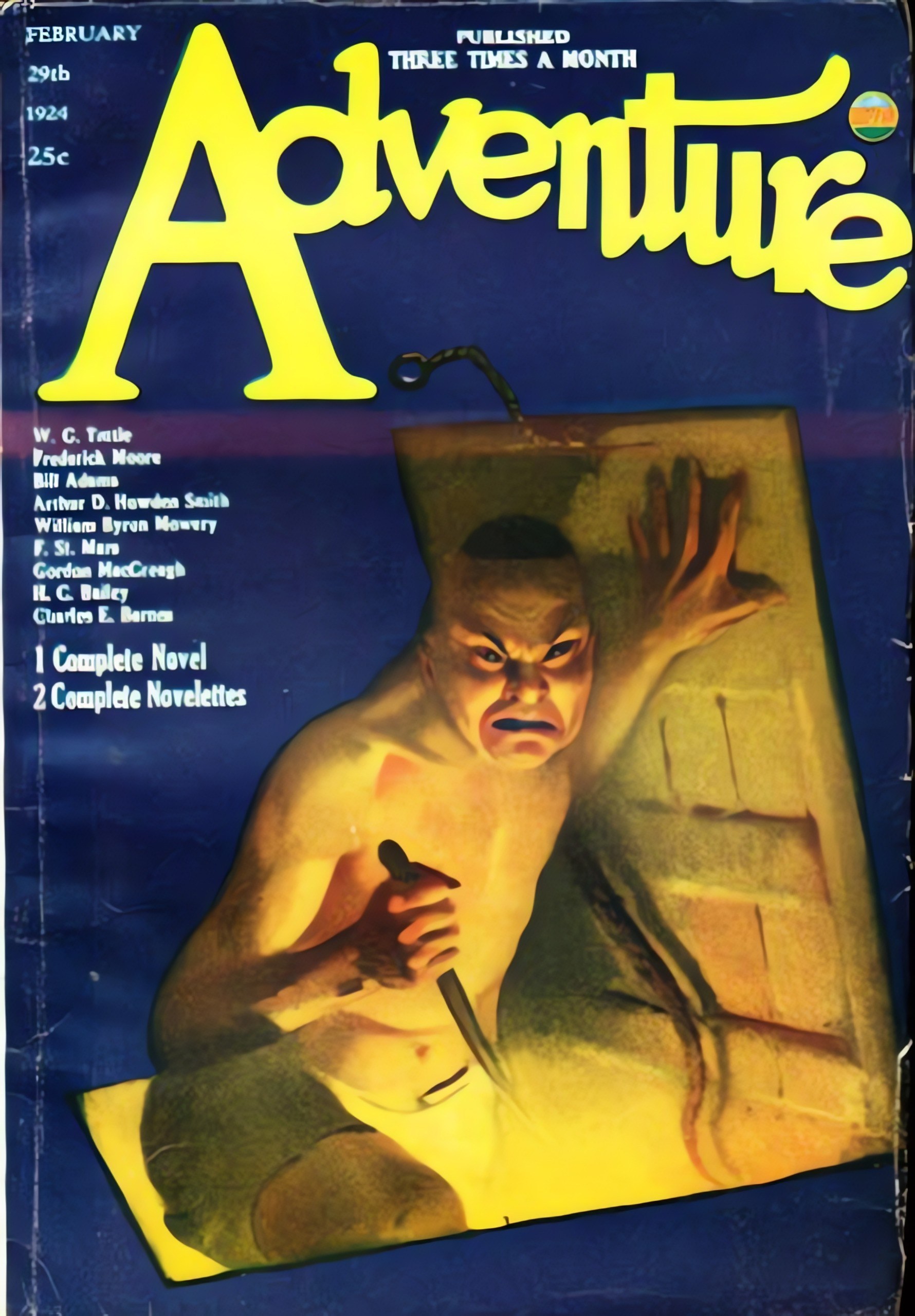
Hashknife and the Fantom Riders
In the rain-slick streets of San Francisco, wandering cowpunchers Hashknife Hartley and Sleepy Stevens are hired to investigate a deadly mystery in Wyoming’s Ghost Hills. At the troubled Circle Cross ranch, cattle vanish without a trace, detectives turn up dead, and fear of the so-called phantom riders grips the range. Amid rustling, suspicion, racial prejudice, and a murder trial that divides the town of Wolf Wells, two sharp-witted drifters must follow a trail no one else dares to ride.
Rustler's Roost
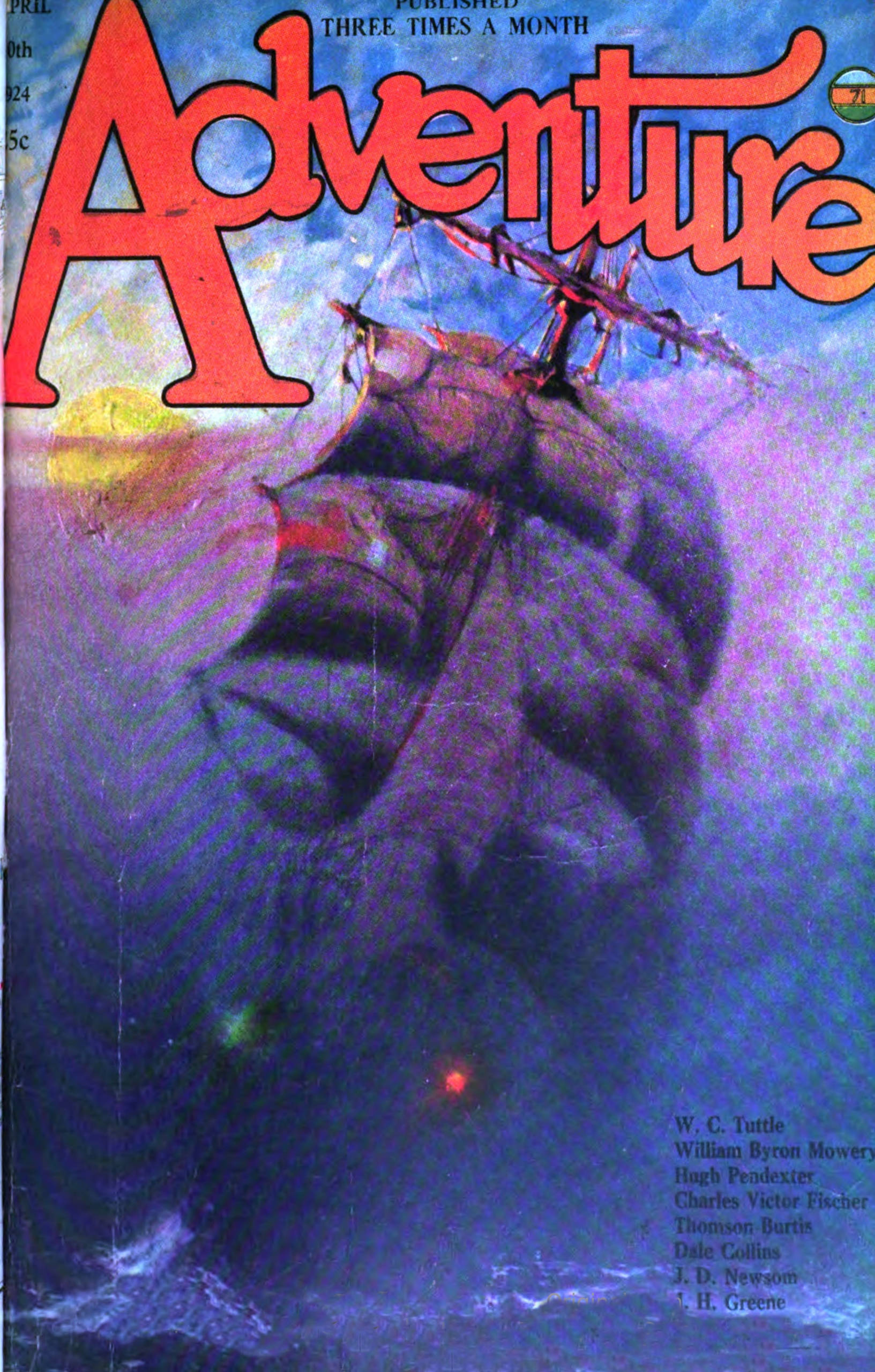
When Tex Rowland—wrongly convicted horse thief—escapes from Elk Lodge penitentiary with the help of a dying trusty, a train wreck grants him an unexpected second chance: a new face and a new identity. As 'William H. Smith,' he returns to the cattle country that framed him, where old feuds simmer between ranchers and sheepmen, and the girl he left behind now works for the very man who sent him to prison. In a world where loyalty runs deeper than the law, Tex must decide whether to reclaim his past or forge a future no one will recognize.
Sun Dog Loot
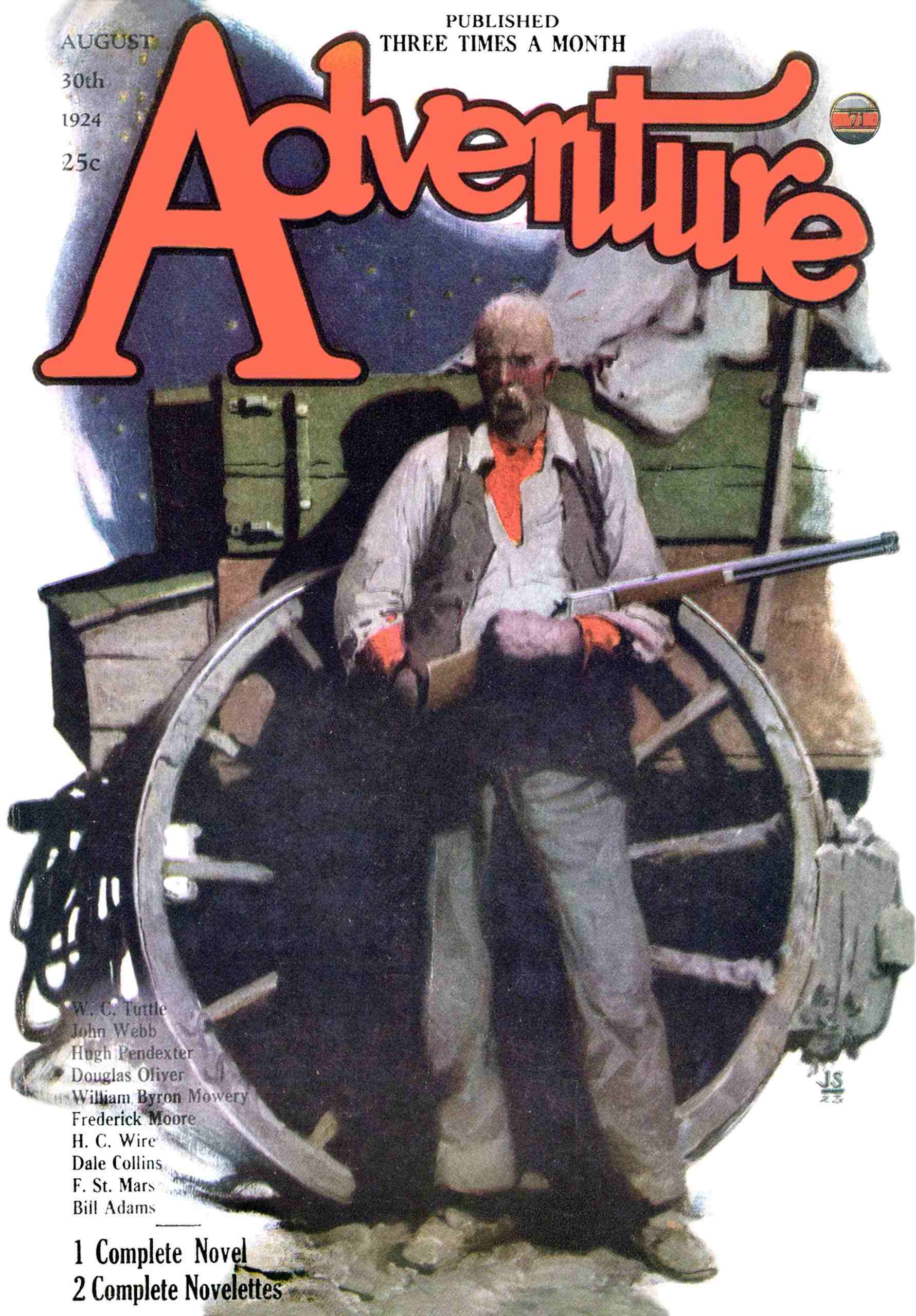
In Sun Dog County, Sheriff Brick Davidson faces a mounting wave of robberies, political pressure, and a frontier that grows more dangerous by the day. As suspicion deepens and loyalties are tested, wit, grit, and raw courage become the only defenses against a shifting criminal threat. Rich in Western atmosphere and driven by sharp dialogue, this classic tale blends action, humor, and suspense on a lawless range.
The Dead-Line
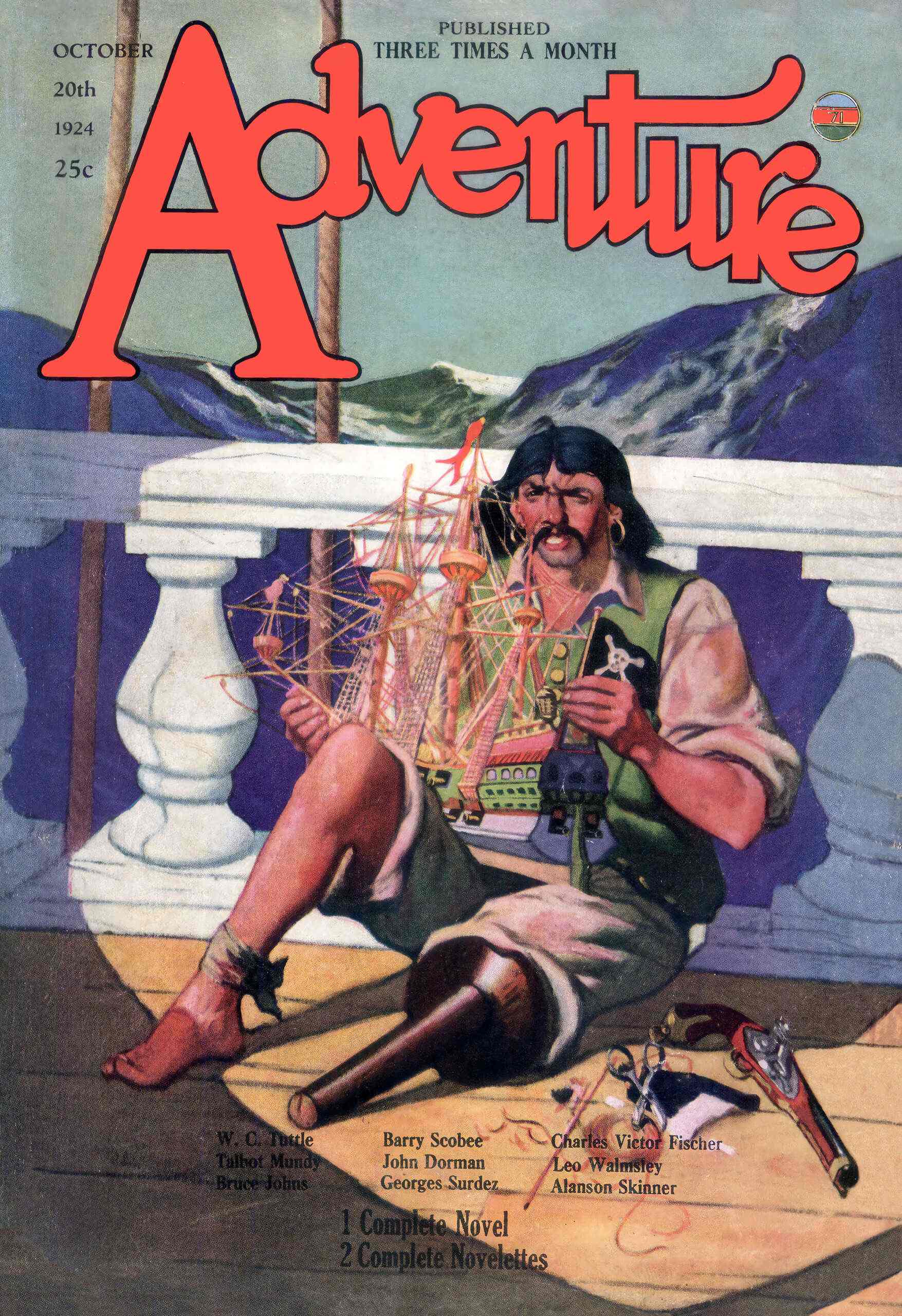
In the heat-hazed Lo Lo Valley, Jack Hartwell stands between two warring worlds: the cattle range that raised him and the sheep country tied to his wife’s bloodline. As rival outfits draw a deadly boundary across the hills, old grudges, family loyalties, and suspicion threaten to ignite open range war. W. C. Tuttle’s Western tale blends frontier conflict, hard-riding suspense, and divided allegiance in a landscape where every choice carries the weight of blood and honor.
The Law of the Range
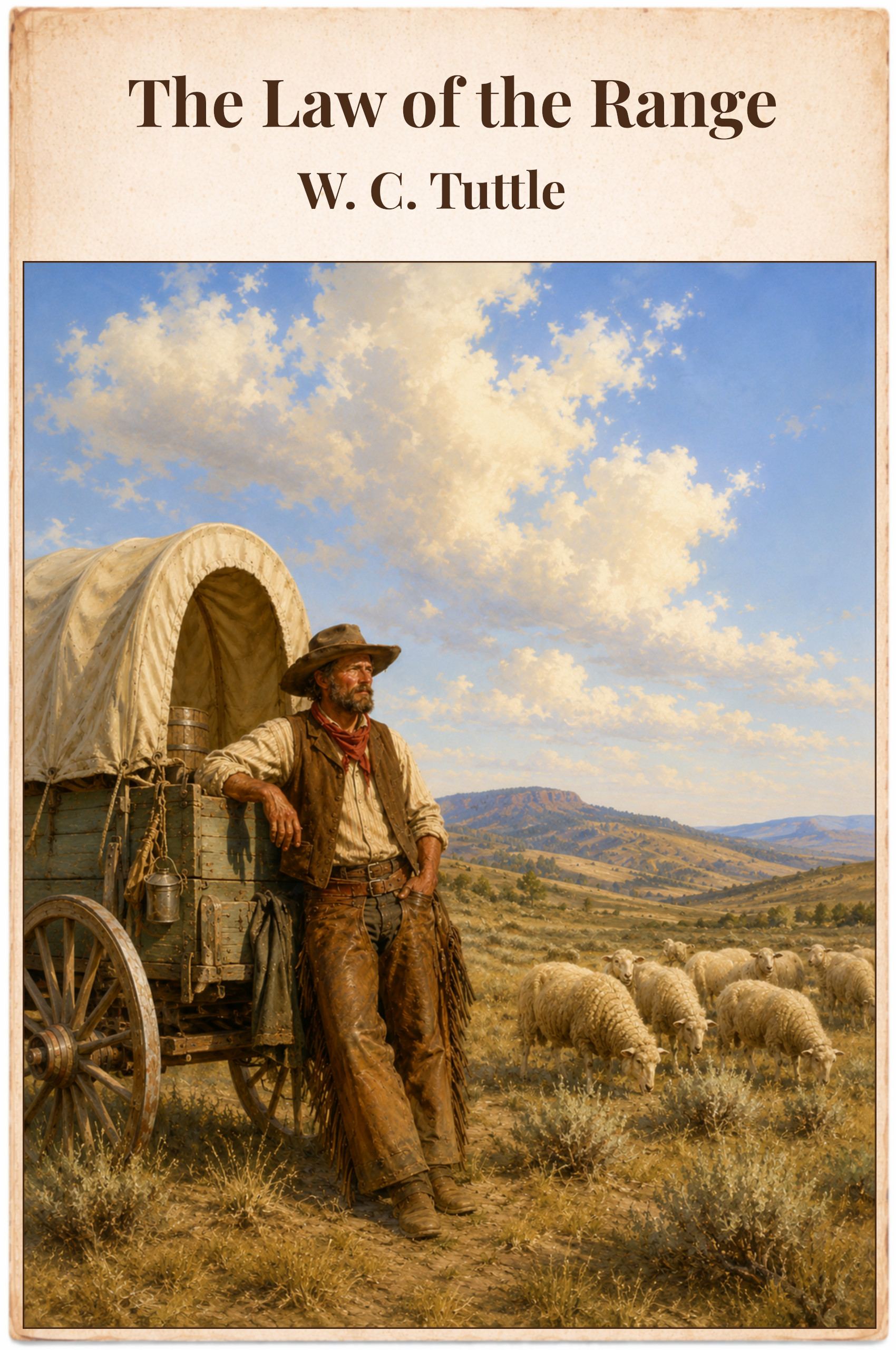
In the drought-stricken Moon River valley, drifting gunman Skeeter Bill Sarg rides into a bitter range war where cattlemen, sheepherders, and the law are locked in a deadly struggle for survival. Drawn by accident and conscience into the fate of a vulnerable couple, Skeeter must navigate frontier justice, old loyalties, and the hard code of the West. Blending action, dry humor, romance, and moral reckoning, this classic Western follows an outlaw with a stubborn spark of honor in a land where mercy can be as dangerous as a gunfight.
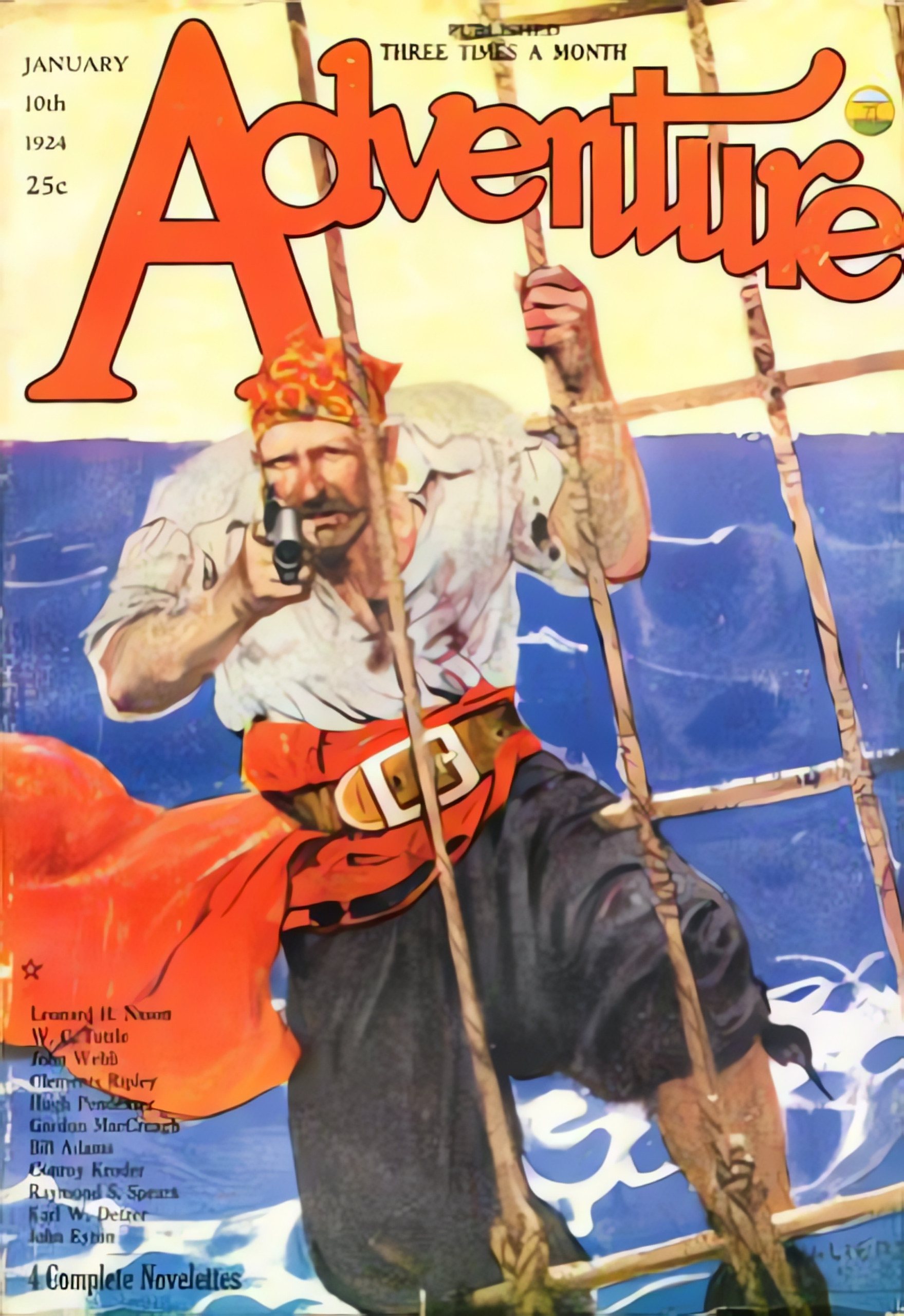
The Loom of Lies
In the drought-stricken Bunch Grass valley, the JHF ranch is losing cattle, and suspicion points toward a neighboring outfit tied painfully close to the Fann family. As loyalty, pride, and old heartbreak collide, cowhands Bob Kern and Splinter Martin find themselves caught between frontier justice and a grieving father’s silence. Rich with range humor, hard weather, and simmering conflict, this Western tale explores honor, family, and the dangerous cost of a branded accusation.
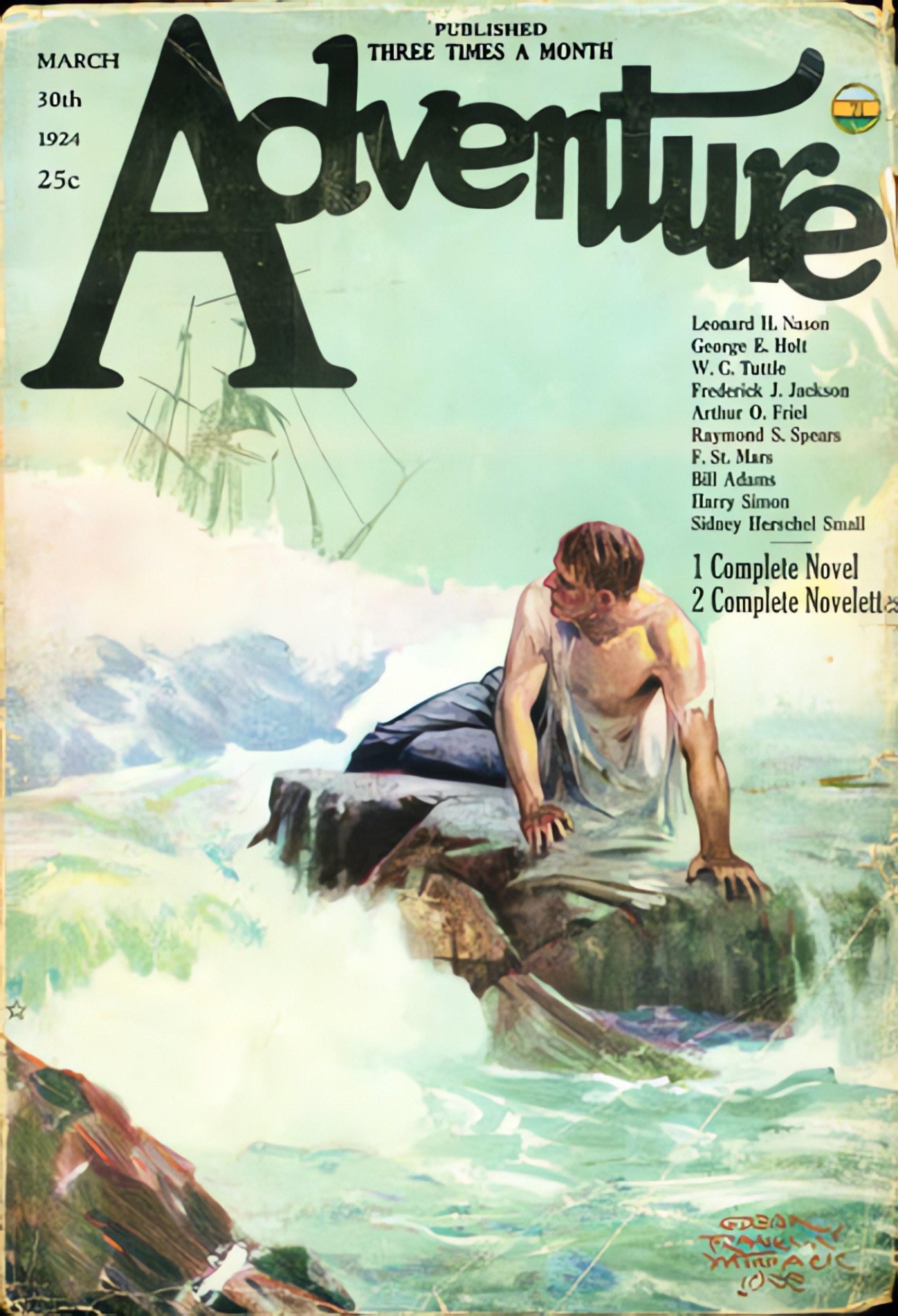
The Medicine Man
In the rugged Modoc range, rancher Bud Daley faces ruin when his entire herd vanishes and suspicion closes in around him. Burdened by debt, betrayed by circumstance, and caught between ruthless power and frontier justice, Bud must navigate a world where loyalty, reputation, and survival are never certain. Blending Western mystery, sharp cowboy humor, and hard-edged range drama, W. C. Tuttle’s tale captures a lawless cattle country alive with danger, wit, and moral reckoning.
The Trey of Spades
In W. C. Tuttle’s classic Western tale, drifting cowpunchers Hashknife Hartley and Sleepy Stevens ride into the Thunder range hoping to find peace, only to discover a country shadowed by suspicion, family trouble, and a masked outlaw known as the Trey of Spades. As ranch rivalries, gambling rooms, and uneasy loyalties converge around Oxbow and the Maverick ranch, the two newcomers are drawn toward a mystery they meant to avoid. Blending frontier humor, hard-riding action, and old-range intrigue, this story captures the restless spirit of the cattle country at the edge of law and legend.
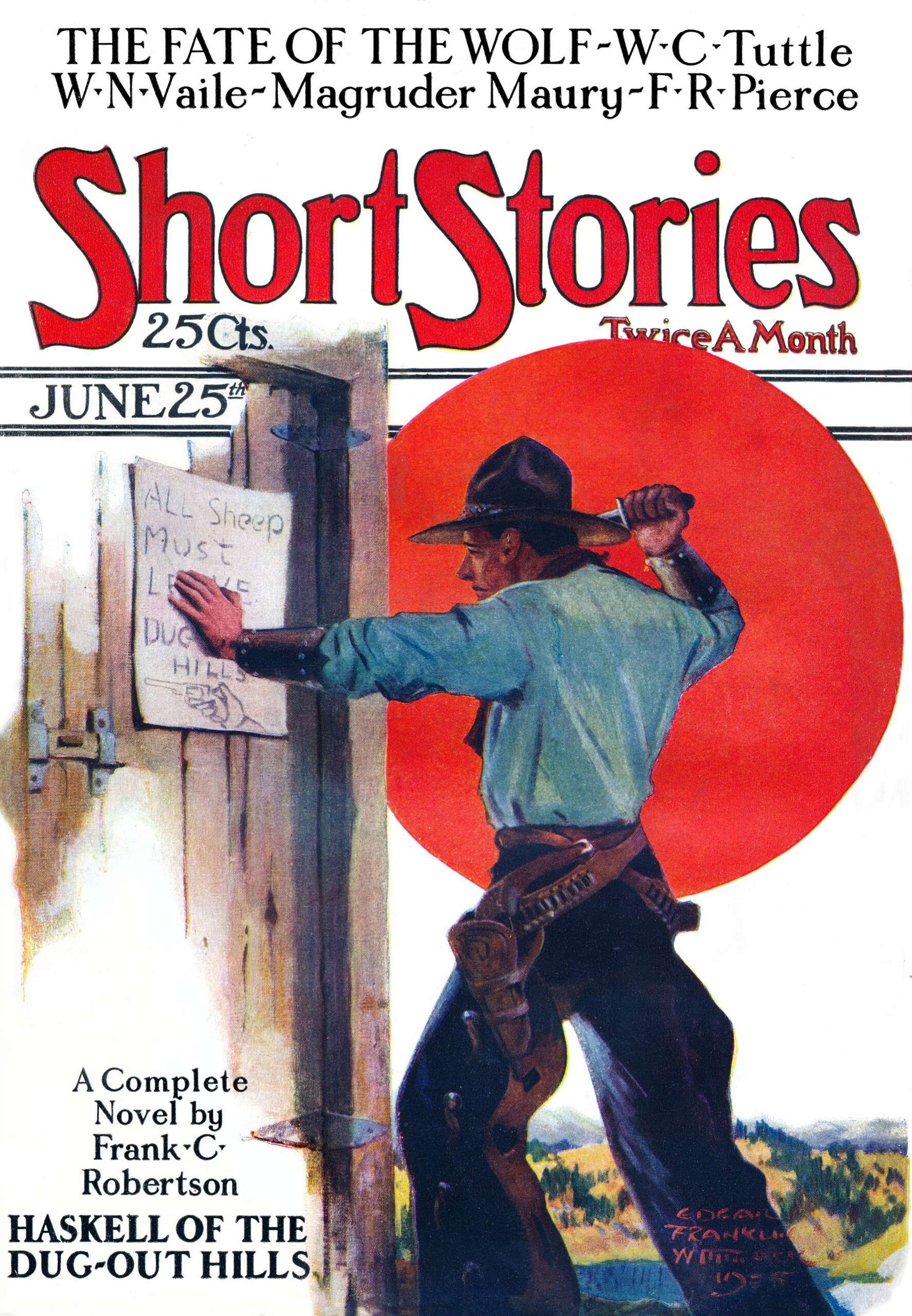
Fate of The Wolf
In the lawless Mexican borderland, the bandit known as El Lobo has transformed from folk hero to merciless killer, and Don Roberto Aliso's fortified rancho stands as his next target. When the laughing stranger Destino rides into Santa Clemente claiming to hunt The Wolf, the desperate rancher hires him as a guard—unaware that this mysterious gunfighter harbors secrets that could doom or save them all. As threats mount and betrayal festers within the walls, Destino must choose between vengeance and an unexpected love that awakens in the shadow of danger. From the author of adventure classics comes a tale of honor, deception, and deadly reckoning in the Old West.
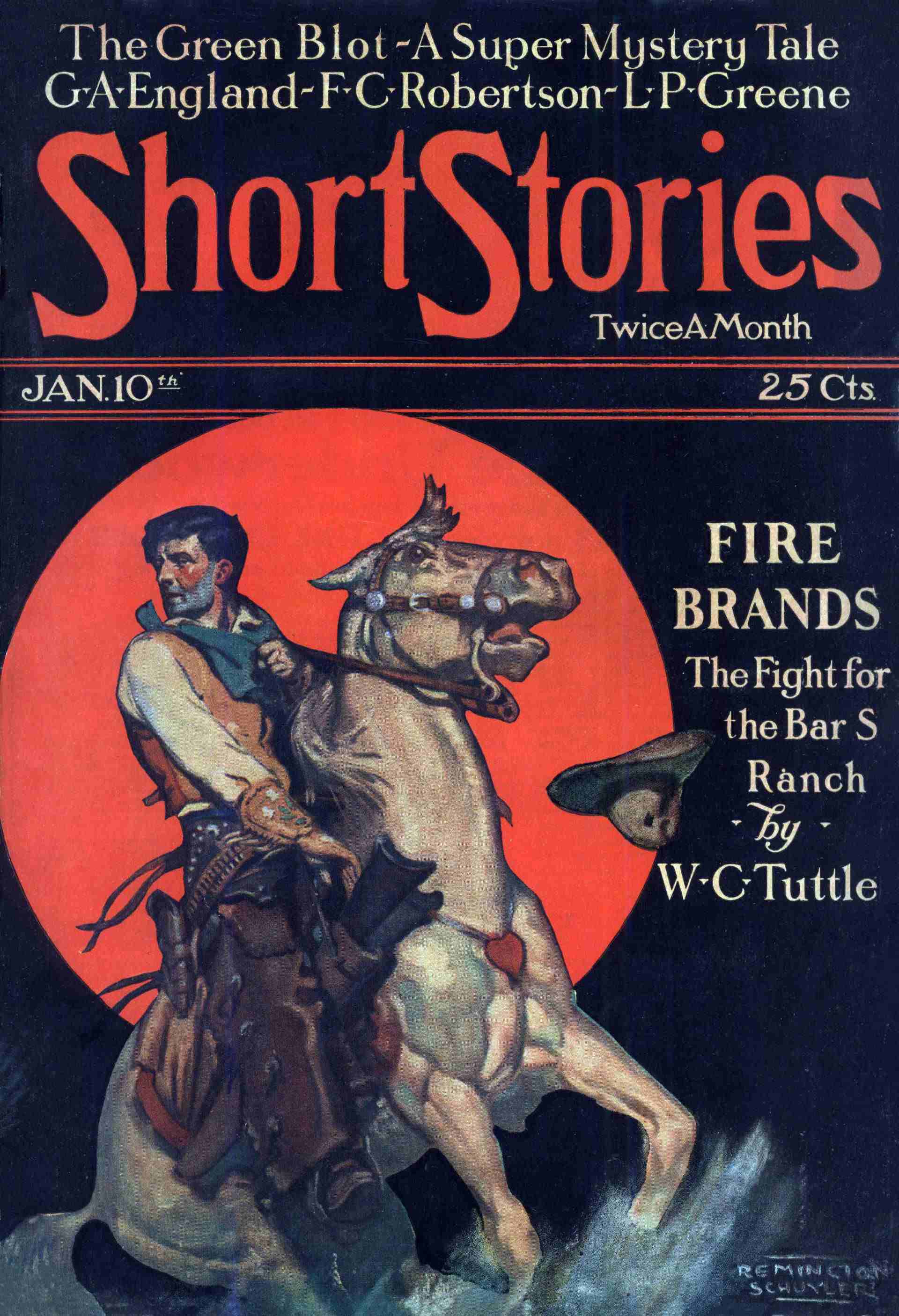
Fire Brands
A classic Western tale of two wandering cowpunchers who stumble into trouble in the small cow town of Oreana. Sad Sontag and Swede Harrigan arrive to bid on a ranch sale, but when they defend a young orphan named Speck from a bullying rancher, they find themselves drawn into something more complicated than a simple auction. As they wait for the Bar S Ranch sale—a property lost to drink and debt—the two partners begin to sense something suspicious about the circumstances. With its quick-draw action, colorful characters, and the code of the Old West, this adventure promises gunplay, mystery, and the kind of justice that comes from standing up for what's right.
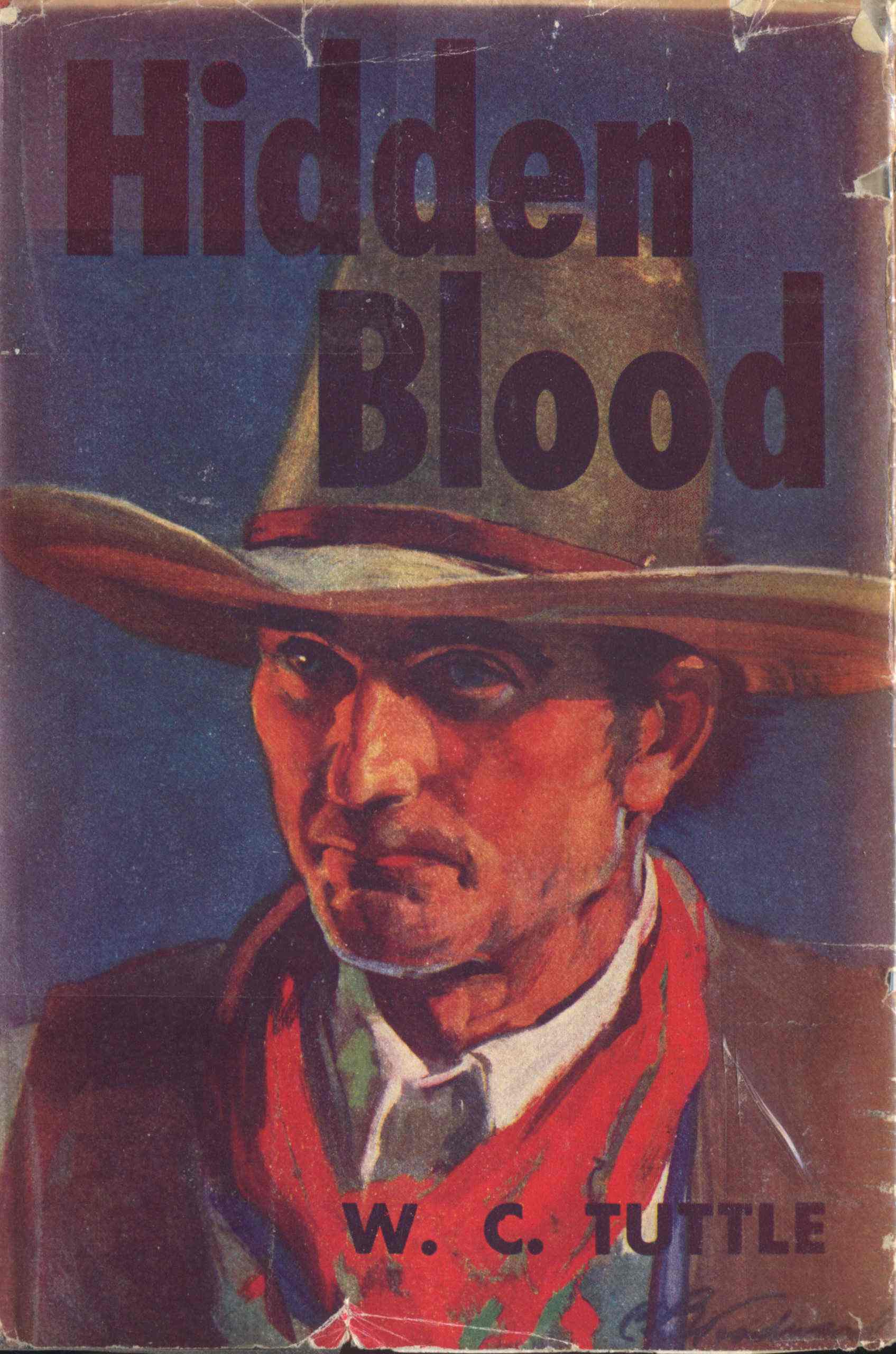
Hidden Blood
Drifting cowpunchers Hashknife Hartley and Sleepy Stevens ride into the sun-baked Southwest with nothing more dangerous in mind than boiling the rheumatism out of Hashknife's aching leg at a remote hot spring. But before they ever reach the water, a midnight stagecoach is robbed, a silent young passenger is gunned down with his hands in the air, and the partners find themselves drawn into the secrets of Hawk Hole—a borderland valley ruled by the towering, reclusive Big Medicine Hawkworth, his Nez Percé wife, and their beautiful half-breed daughter Wanna. With a crooked gambler's saloon, a flashy Mexican rascal nursing a grudge, and a missing fortune in express gold, trouble finds the two wanderers as surely as it always does. A classic Hashknife Hartley range-detective Western, rich in dry humor, frontier atmosphere, and slow-building mystery.
Silver .41
Newly elected sheriff “Skeeter Bill” Sarg is still finding his footing in dusty Moon River County when a government detective brings word of counterfeit silver dollars traced to the valley. With his sharp-tongued deputy Kaintuck Kennedy at his side, Skeeter must navigate cattle-town politics, wary ranchers, old rivalries, and a trail of strange clues that soon turns far darker than bad money. Blending frontier humor, mystery, and hard-edged Western atmosphere, this tale follows an unlikely lawman as he learns that justice on the range often hides in the smallest details.
The Lovable Liar
In a rough cattle town at the edge of the frontier, two drifting cowboys arrive just as suspicion, old grudges, and a string of brazen crimes begin to tighten their grip on the range. As loyalties blur and danger gathers around ranchers, lawmen, and outcasts alike, the men find themselves drawn into a restless country where wit can be as vital as a gun. Wry, atmospheric, and sharply observed, this Western blends frontier mystery with dry humor and hard-riding adventure.
When East Meets West
In the rough-and-ready town of Piperock, a newly formed Chamber of Commerce sets out to prove that civilization has finally arrived on the frontier. With a secondhand menagerie, a pageant of progress, and a rivalry with neighboring Paradise, civic pride soon becomes a comic trial of nerves for Ike Harper and Dirty Shirt Jones. Told in a lively vernacular voice, this Western farce captures the absurd collision of frontier bravado, small-town ambition, and the unpredictable march of modernity.
Loot of the Lazy A
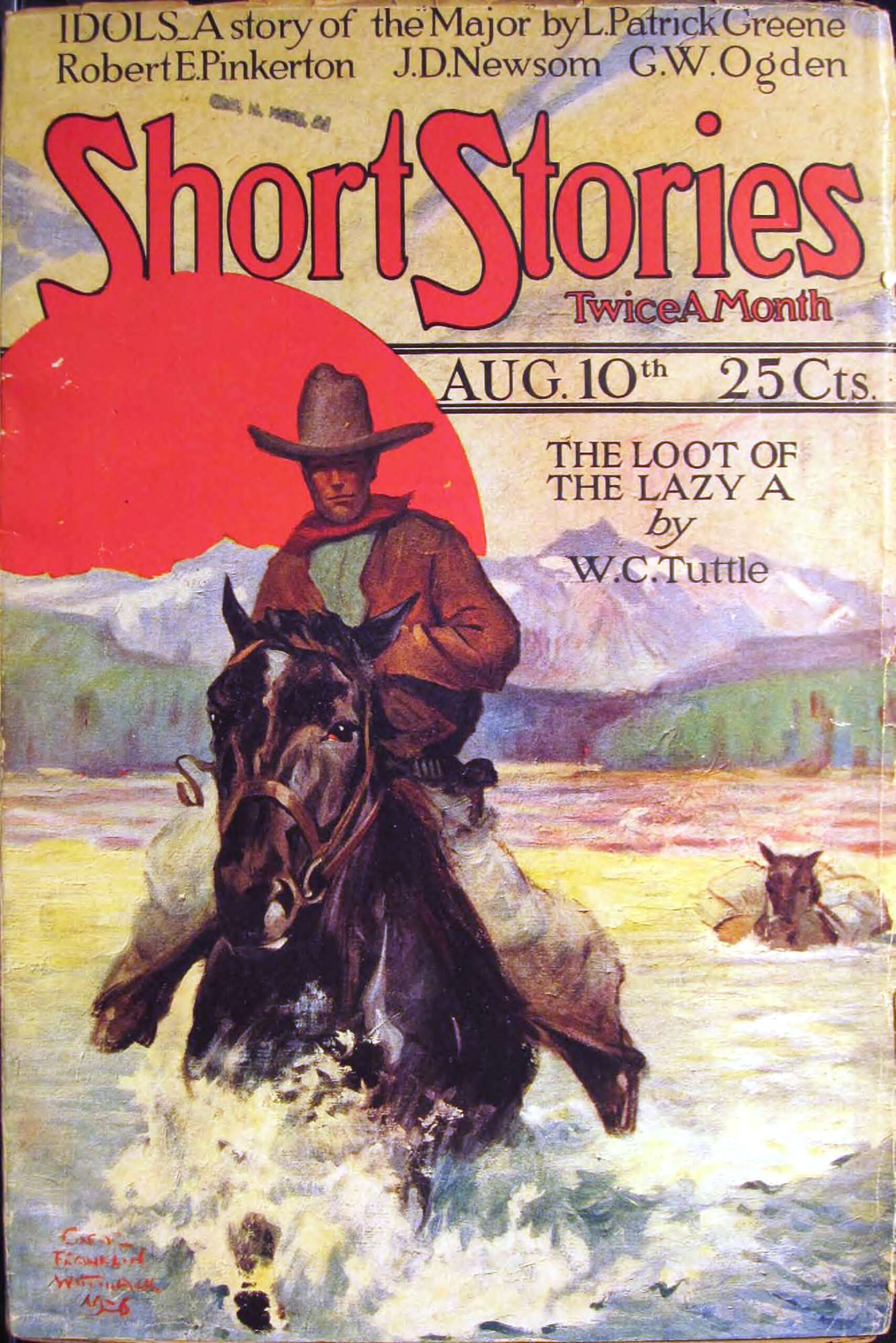
On a rain-soaked night in fogbound San Francisco, a penniless young woman on the edge of Chinatown is pulled back from despair by a desert-hardened stranger with a battered suitcase and a stubborn sense of decency. A sudden collision with the city’s shadow economy sends them fleeing into the fog with an identity that isn’t hers—and a road that leads far from the bay. From bohemian chop-houses to an isolated Southwest cattle town where old grudges never quite die, survival will demand nerve, reinvention, and a careful reading of fate. Gritty, atmospheric, and charged with frontier tension, this tale follows two unlikely allies as they step into a world where every name carries a price.
The Buckaroo of Blue Wells
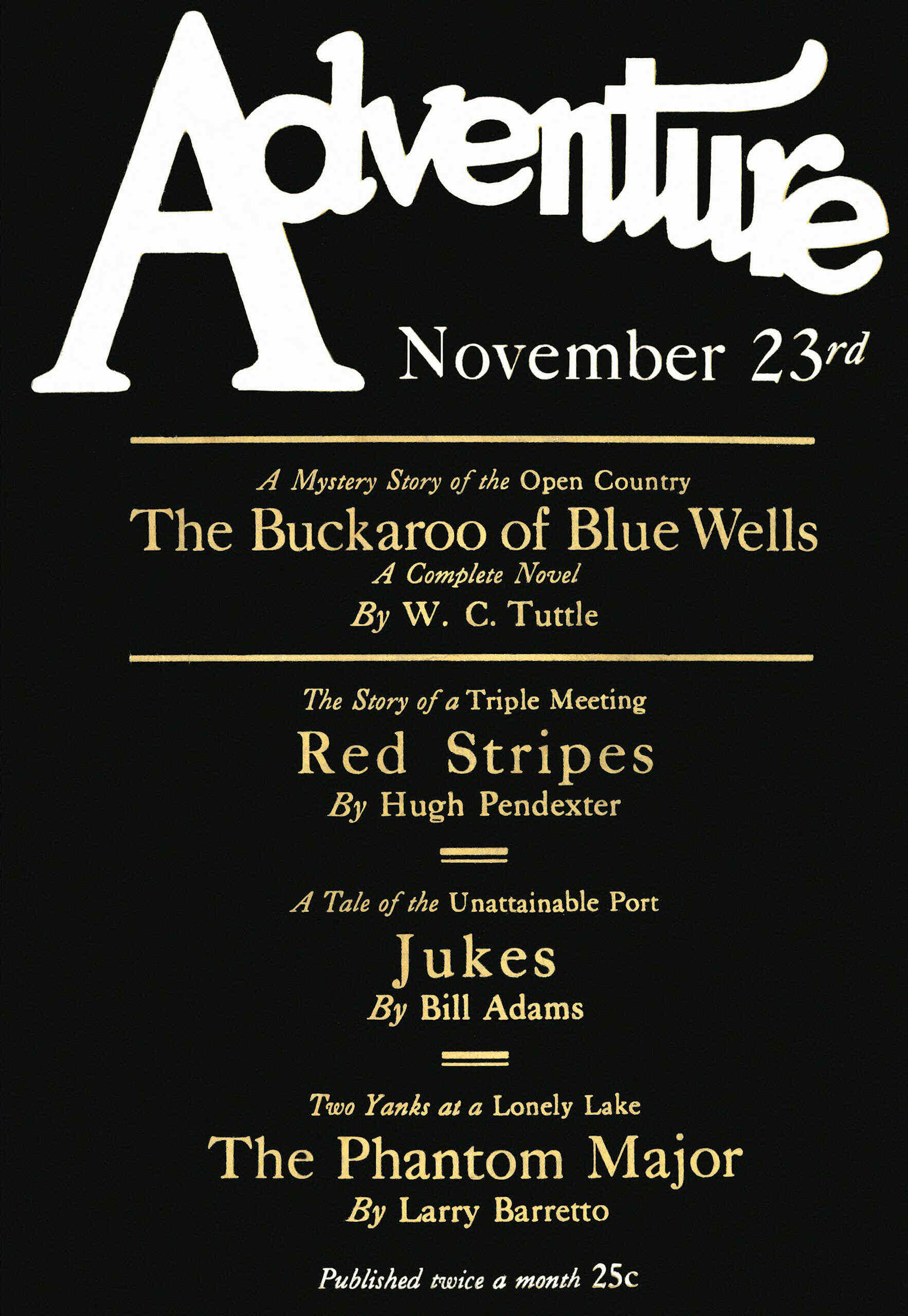
When weary San Francisco bookkeeper James Eaton Legg abandons ledgers for open air, he heads west with a stray dog and a sudden ambition to become a cowpuncher. In Blue Wells, Arizona, he arrives amid saloon mischief, hard-drinking cowboys, lost money, and a daring payroll robbery that throws the desert town into confusion. W. C. Tuttle’s comic Western follows an unlikely tenderfoot into a rough-edged frontier world of gamblers, ranch hands, crooked schemes, and accidental heroics.
The Silent Cabin
In the frozen reaches of Alaska, two travelers on the Chena trail discover a lonely cabin and a final request left by its dying occupant. As winter tightens its grip and the settlements remain distant, the encounter tests the difference between hardship and honor. A spare, atmospheric tale of frontier endurance, moral choice, and unexpected grace in the silent wilderness.
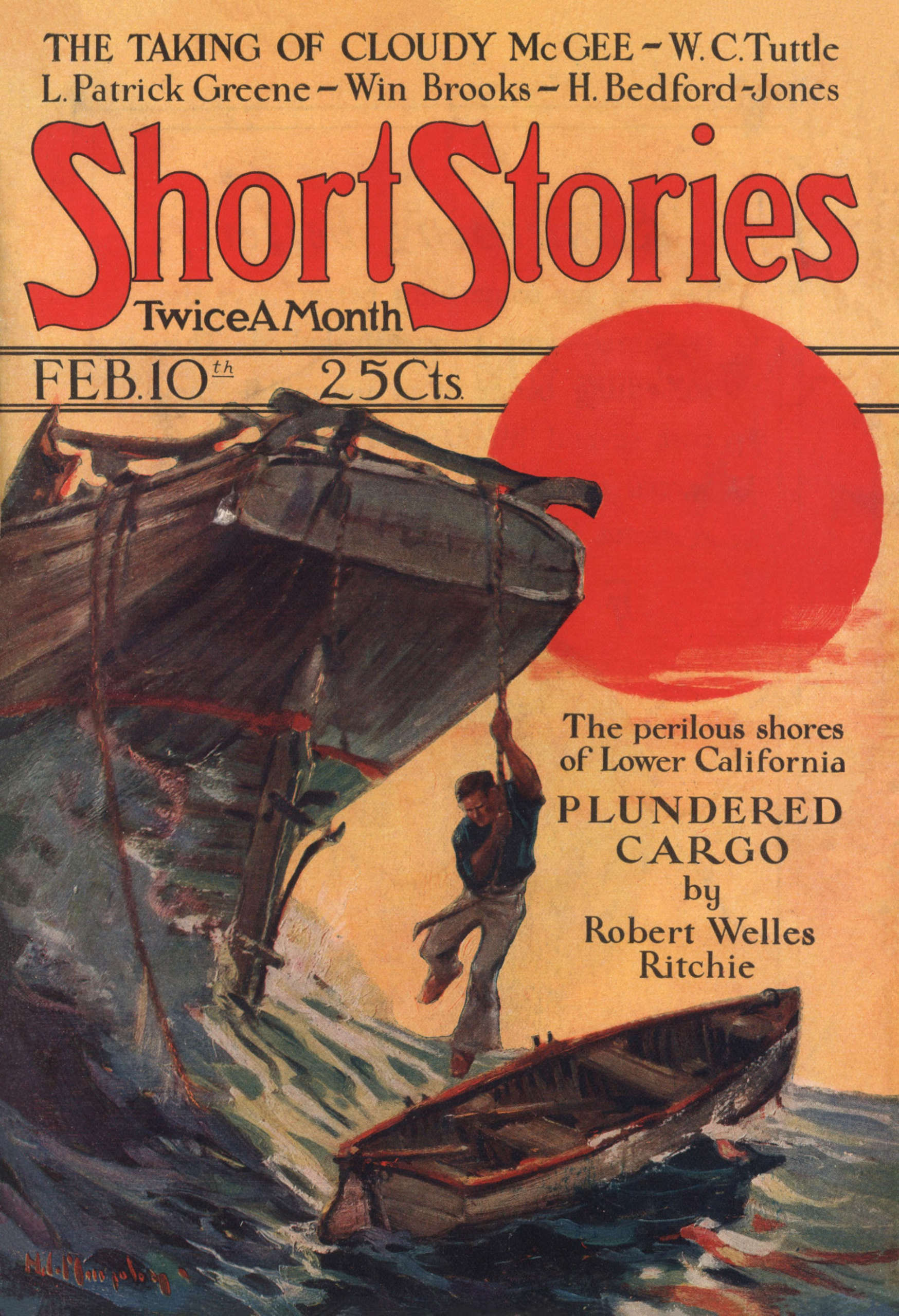
The Taking of Cloudy McGee
In the dusty town of Lost Hills, a nervous bank cashier, a scheming lawyer, and a threatened newspaper editor all find their troubles converging on the rumored arrival of the notorious Cloudy McGee. As mistaken identities, crooked plans, and frontier bravado collide, a simple fear of exposure turns into a comic tangle of bank money, reward notices, and high-stakes deception. W. C. Tuttle’s lively Western farce blends outlaw suspense, small-town satire, and sharp comic timing in a tale where nearly everyone is hiding something.
Two Fares East
On the Tumbling River range, a wedding night at the Flying H turns from raucous frontier celebration to public disgrace when young sheriff Joe Rich fails to appear at the altar. As rumor, wounded pride, and hard judgment sweep through Pinnacle City, Peggy Wheeler and the people around her must reckon with loyalty, honor, and the fragile line between love and ruin. W. C. Tuttle’s Western tale blends cow-country humor, romantic tension, and small-town intrigue against the rugged backdrop of ranch life in the American frontier.

Day Before Yesterday
In W. C. Tuttle’s comic outdoor sketch, an ever-hopeful duck hunter chases rumors of perfect shooting across California, only to arrive just after the legendary flights have passed. With mock-biblical wit and sharp sporting satire, the tale captures the rituals, exaggerations, and frustrations of commercial duck clubs and their faithful patrons. Part hunting yarn and part humorous confession, “Day Before Yesterday” celebrates the stubborn optimism of sportsmen who know they are being fooled—and keep returning anyway.
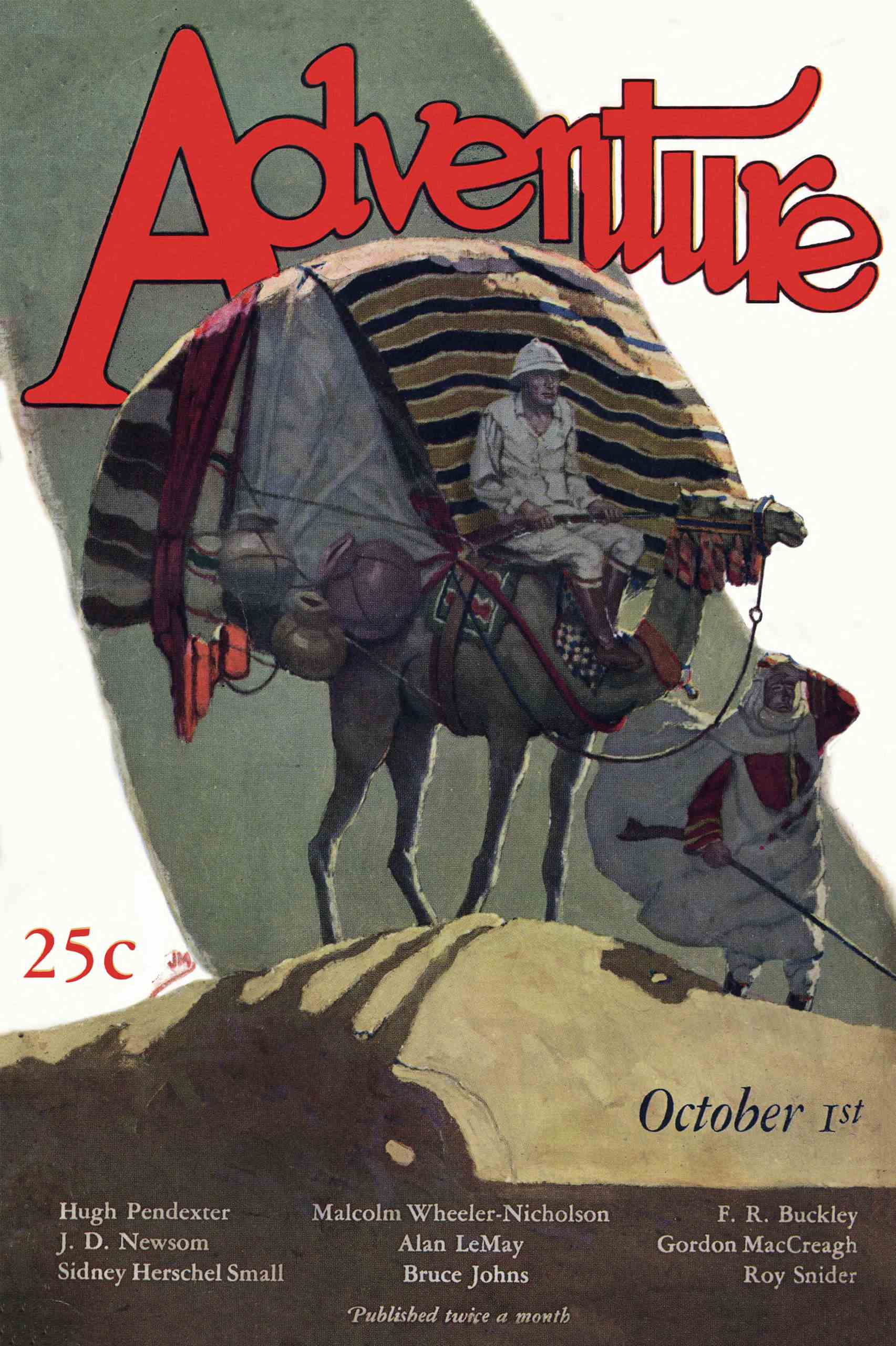
Rodeo
Step into the dust and din of a 1920s rodeo, narrated entirely through the rapid-fire patter of a wisecracking arena announcer. As steer riders and bronc busters take their turns—and their tumbles—the announcer fields questions from the crowd, ribs the contestants, and delivers running commentary laced with frontier humor. W. C. Tuttle's inventive monologue captures the spectacle, slang, and rough-edged camaraderie of the American rodeo circuit in a single breathless voice. A vivid slice of Western Americana from the golden age of pulp fiction.
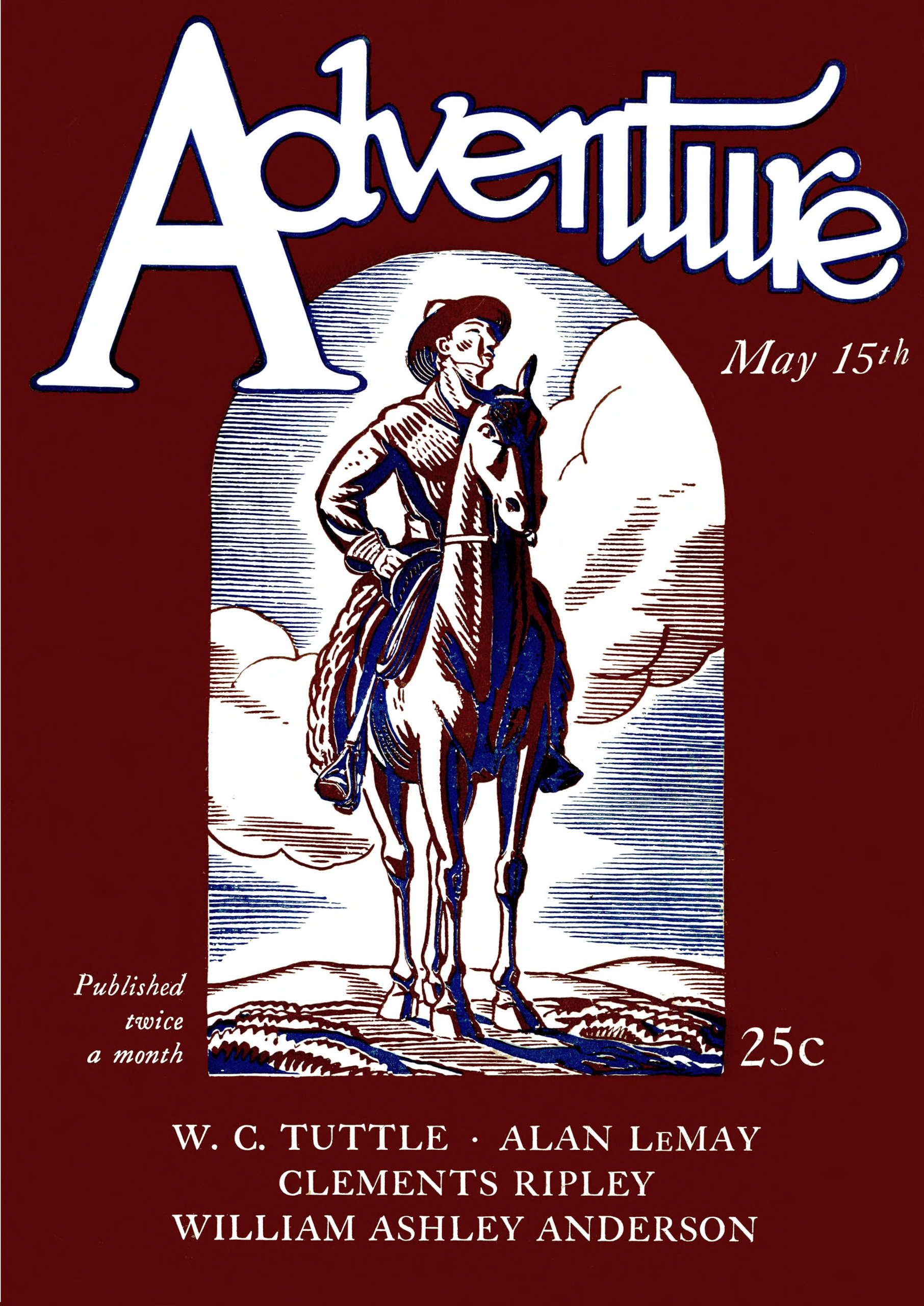
The Valley of Lost Herds
In the sprawling Tomahawk Valley, aging cattle baron Park Reber rules nearly every ranch, saloon, and dusty street — yet a decades-old betrayal has left him with a bitter enemy in rancher Buck Priest and a lifetime of loneliness. When a gunfight erupts on pay night, June Meline, a sharp-witted violinist with secrets of her own, saves Reber's life and is drawn into the heart of a long-simmering feud. As rustlers thin the great herds and suspicion falls on the elusive half-Cheyenne horseman Jack Silver, hidden loyalties and old wounds collide on the open range. W. C. Tuttle's classic pulp Western from the pages of Adventure Magazine delivers gunsmoke, mystery, and a reckoning twenty years in the making.
Thicker Than Water
In the hard-edged cow town of Red Arrow, old grudges, hidden parentage, and high-stakes card tables bind the McCoy family to a dangerous past. Rance McCoy, a feared gunman with a guarded heart, faces a bitter break with his gambler son Angel just as Lila—the young woman he raised as his own—learns the truth about her origins. As loyalties shift between ranch house, saloon, and dusty frontier streets, every hand dealt may reveal more than luck. A tense Western tale of family secrets, moral reckoning, and the deadly games men play when pride is on the line.
Bad and Mad
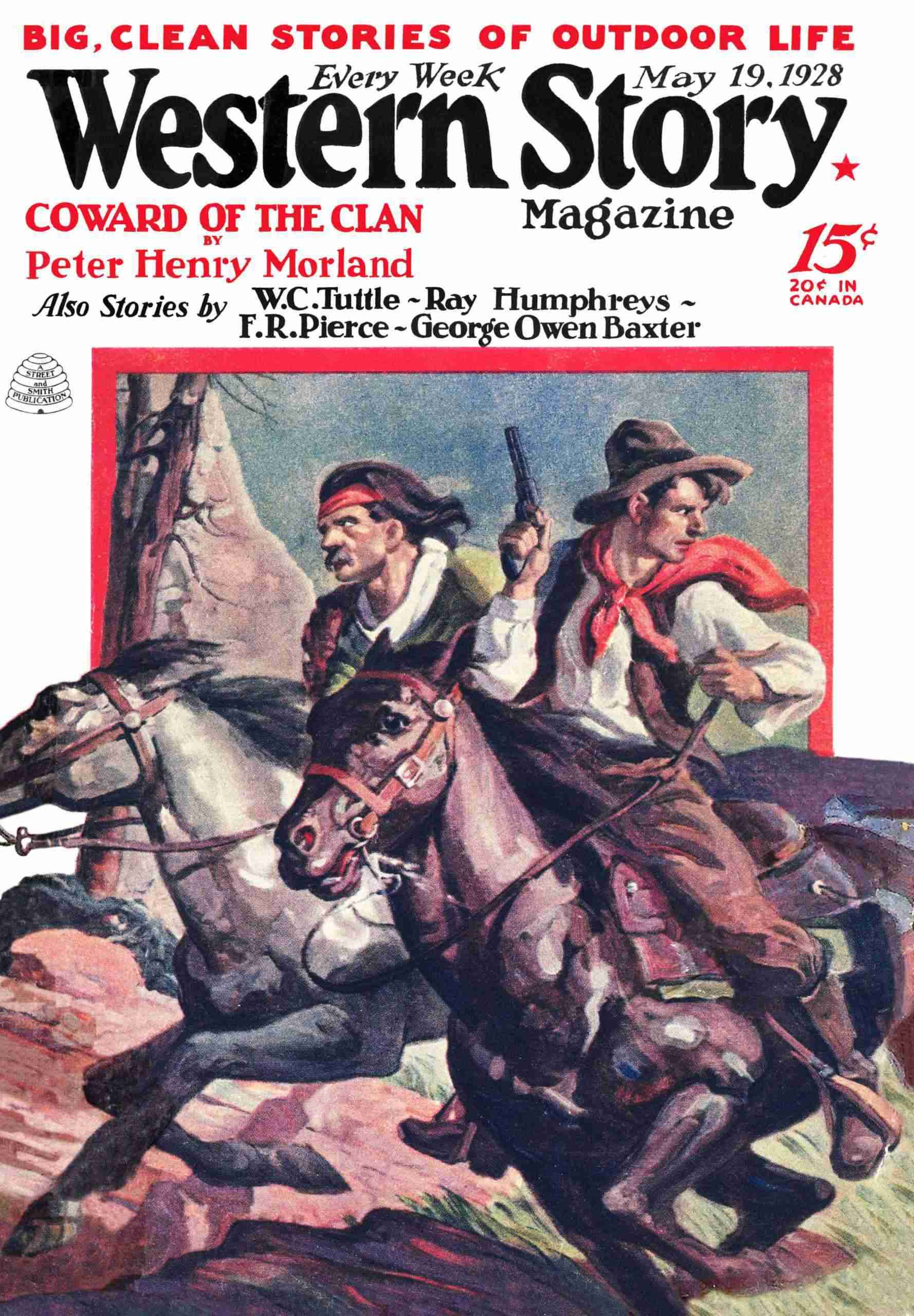
When a seasoned outlaw stumbles upon his twin brother—the sheriff of Oro City—at a remote desert water hole, a tense standoff quickly spirals into a deadly game of identity and deception. With the law's badge now in his possession, the outlaw rides boldly into town to play a role he was never meant to fill, only to discover that nothing about his brother's life is quite what it seemed. W. C. Tuttle's sharp-tongued tale of mistaken identity and frontier irony delivers a twist ending that strikes with the force of a desert sun.
Because He Listened In
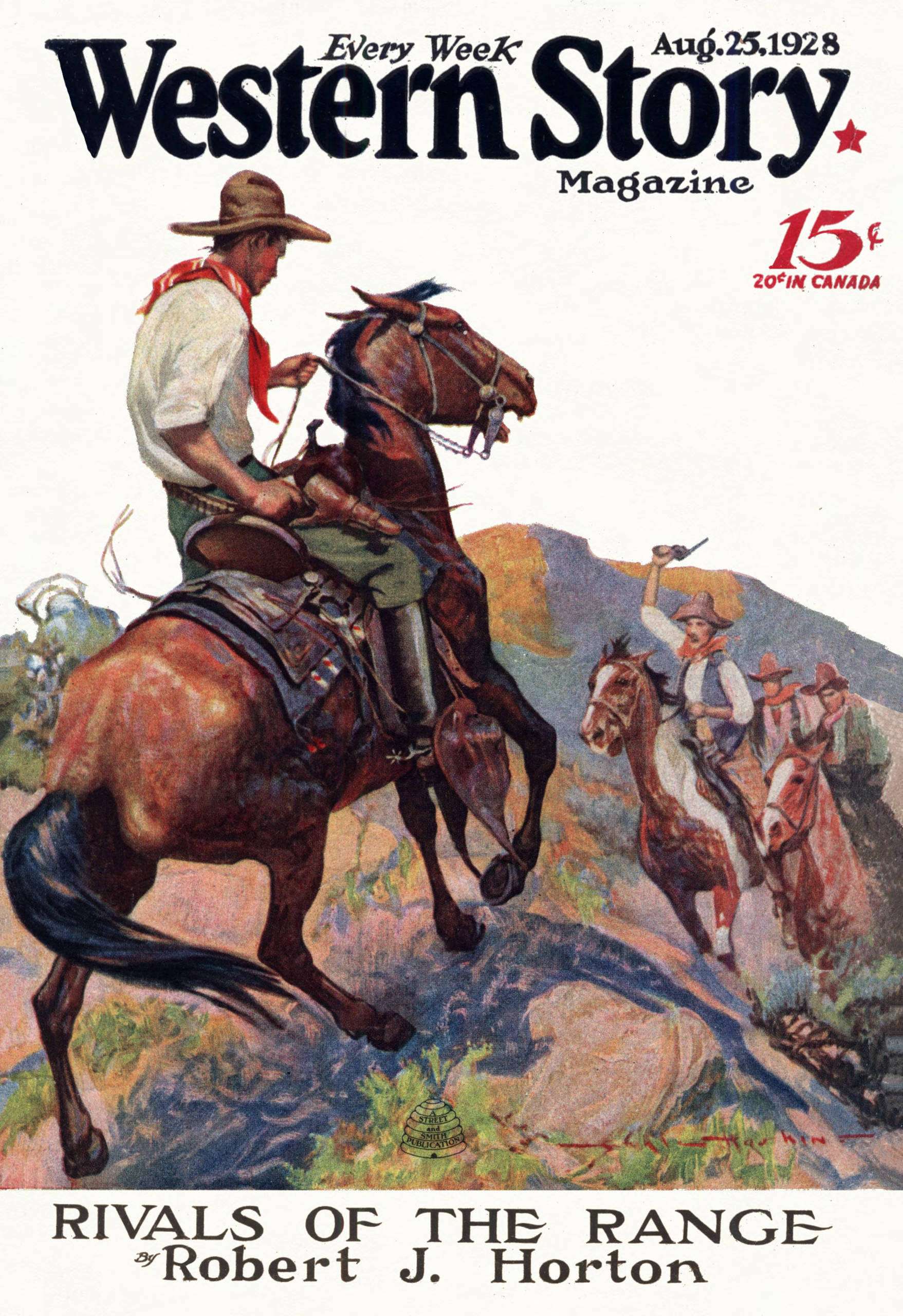
A hard-luck outlaw drifts through the sunbaked Gila country with empty pockets, an empty gun, and a knack for trouble. When an overheard conversation points toward a fortune on the stage road to Silver City, he sees one last chance to turn his luck around. W. C. Tuttle’s comic Western tale blends frontier danger, dry humor, and ironic misadventure in the classic pulp tradition.
By Order of Buck Brady
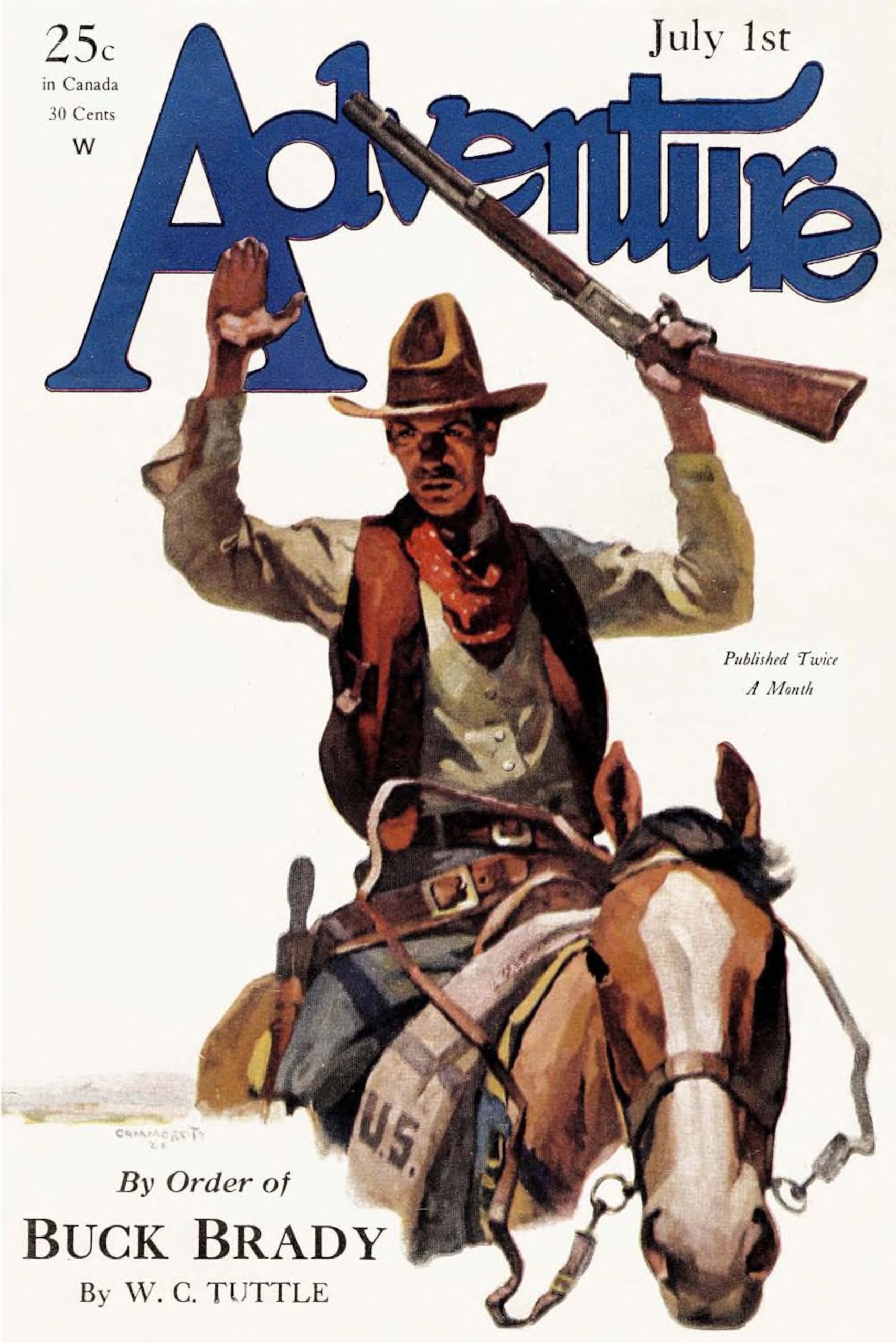
When roundup season ends in the sun-blasted desert town of Mojave Wells, Sheriff Buck Brady—a laconic lawman who'd rather whittle pine shavings than draw a gun—learns that two of the valley's best cowboys have sworn a duel at sundown over the same girl. With rival outfits pouring into the saloons and tempers rising as fast as the whisky flows, Buck nails up a single hand-painted notice that puts every gun in town under his control. But signs alone can't stop two stubborn men determined to settle their feud, and as the sun sinks toward the broken hills, the whole town holds its breath. A classic pulp Western of frontier justice, quiet cunning, and the showdown nobody saw coming.
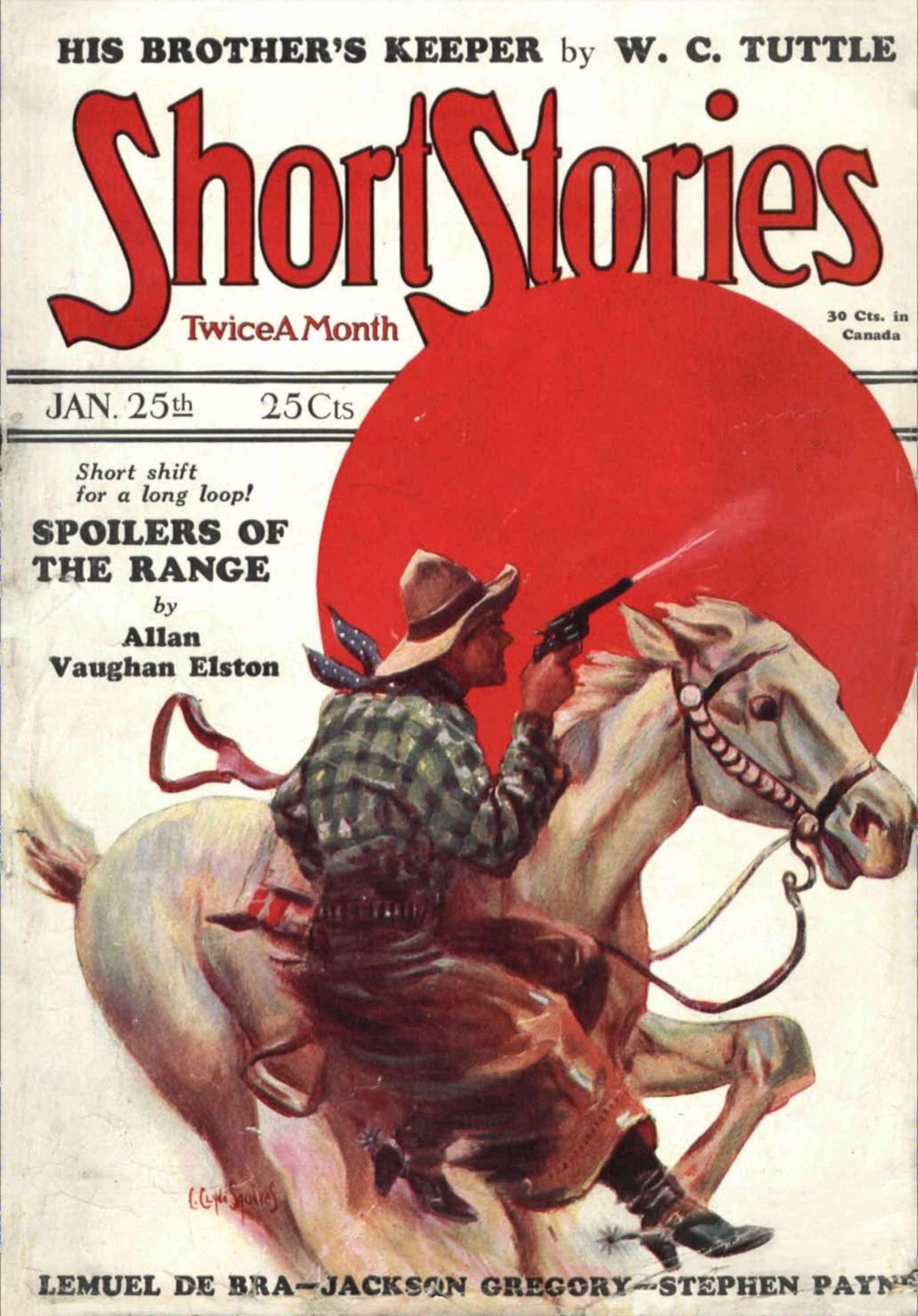
His Brother’s Keeper
In the scorched reaches of Bitter Water Valley, a sheriff famed for his unbending devotion to the law sets out across the desert on a manhunt that becomes something far more intimate and unforgiving. As old grievances, family wounds, and frontier justice converge, the badlands strip every conviction to its core. W. C. Tuttle crafts a stark Western of moral conflict, harsh landscape, and the perilous line between duty and obsession.
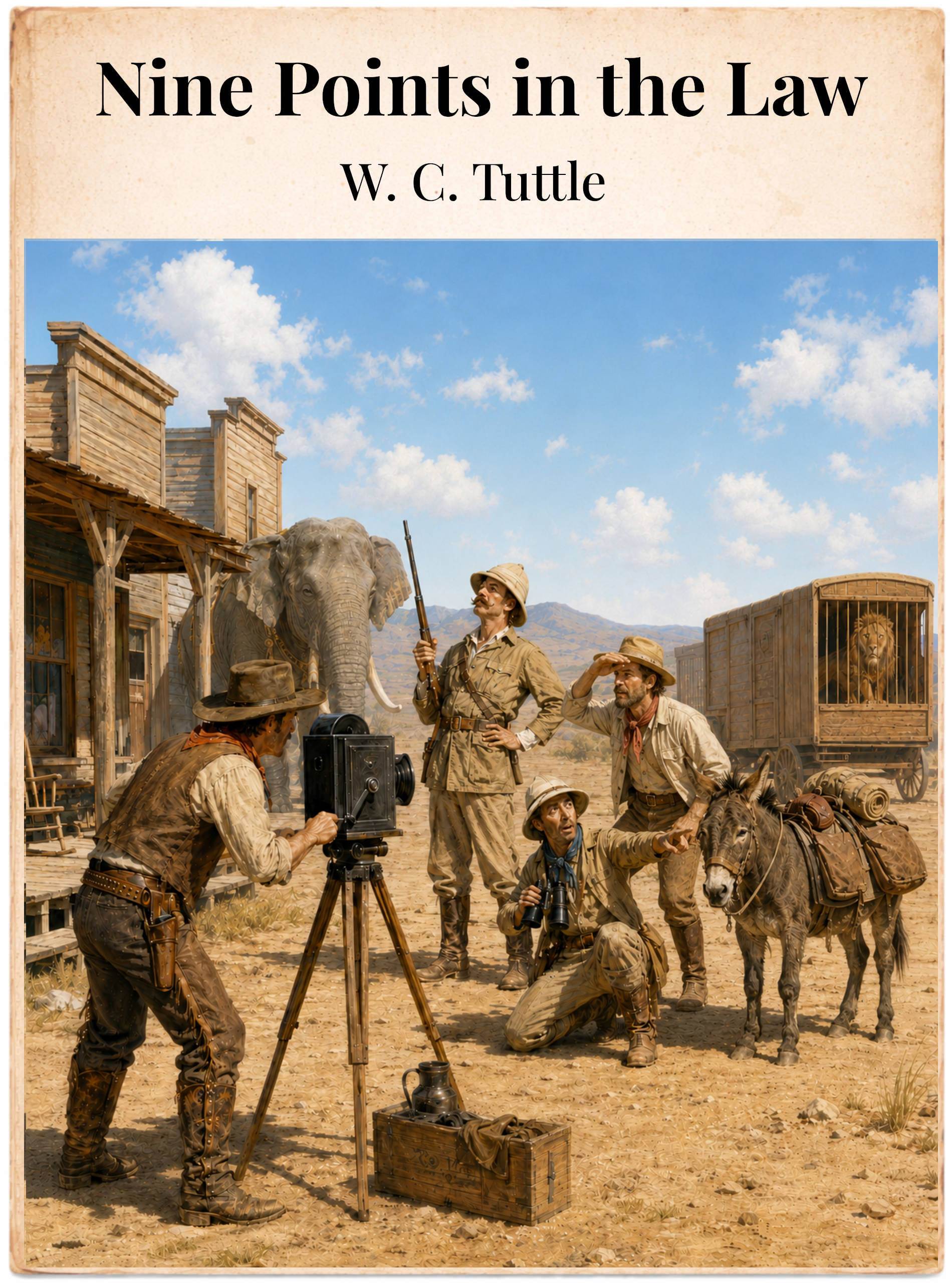
Nine Points in the Law
In the sun-blasted Montana cow town of Piperock, civic pride takes a wildly comic turn when a new motion-picture scheme collides with a bankrupt circus, rival settlements, and a Chamber of Commerce full of dangerous ideas. As cowpunchers, saloonkeepers, and self-appointed visionaries compete for glory, a menagerie of lions, tigers, and elephants turns local ambition into frontier pandemonium. W. C. Tuttle’s boisterous Western tale blends tall-tale humor, dialect-rich narration, and slapstick adventure in a raucous portrait of small-town rivalry on the range.
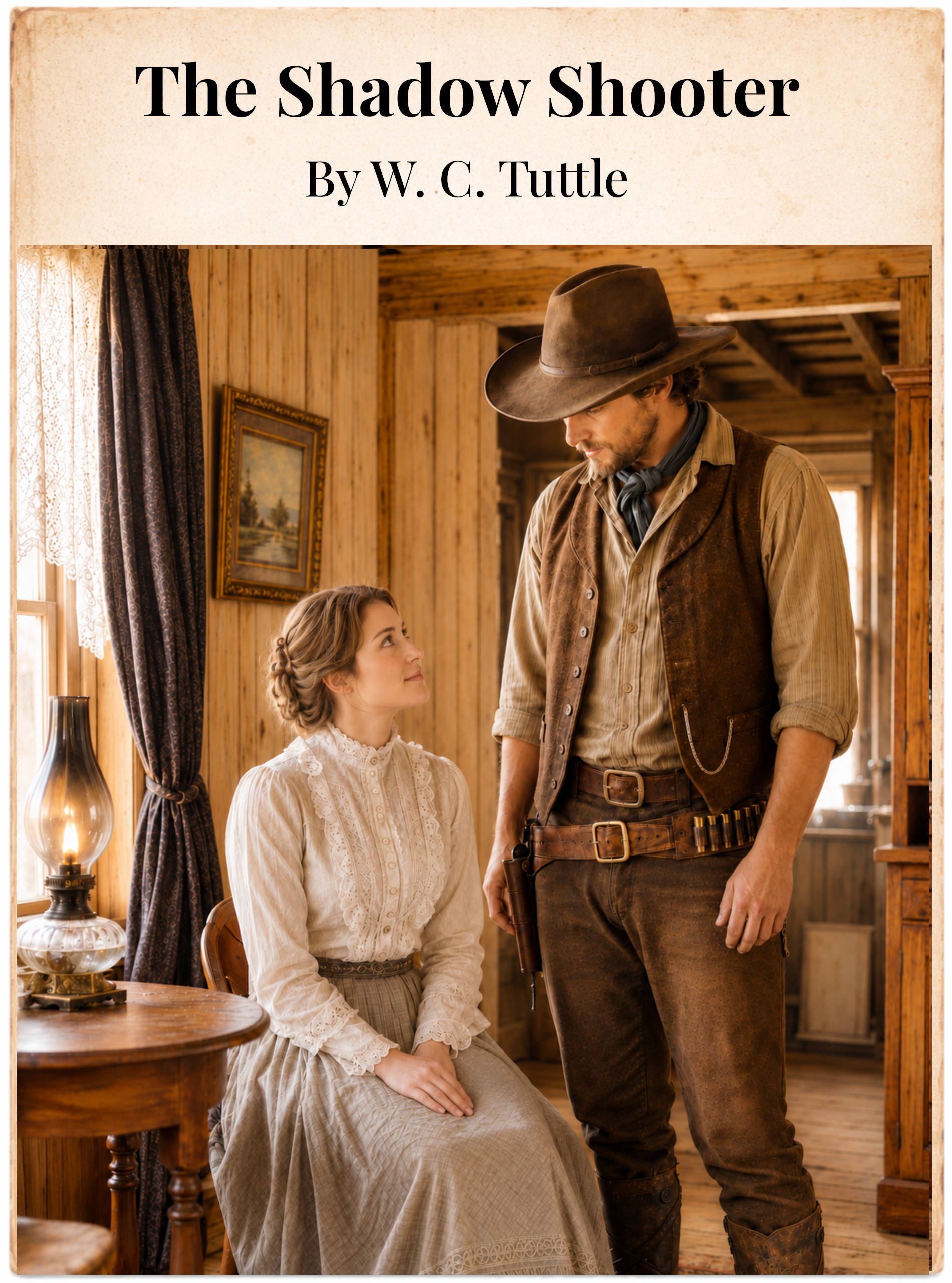
The Shadow Shooter
In the booming cow town of Chongo, the arrival of the railroad has brought gambling houses, rival cattlemen, and a darker edge to life in Silver River Valley. When good-natured cowboy Soapy Weed escorts Yvonne LeClere to her first dance since returning from school, a night of romance and rivalry quickly turns dangerous. W. C. Tuttle’s classic Western blends frontier humor, open-range intrigue, and a murder mystery shadowed by old grudges and new ambitions.
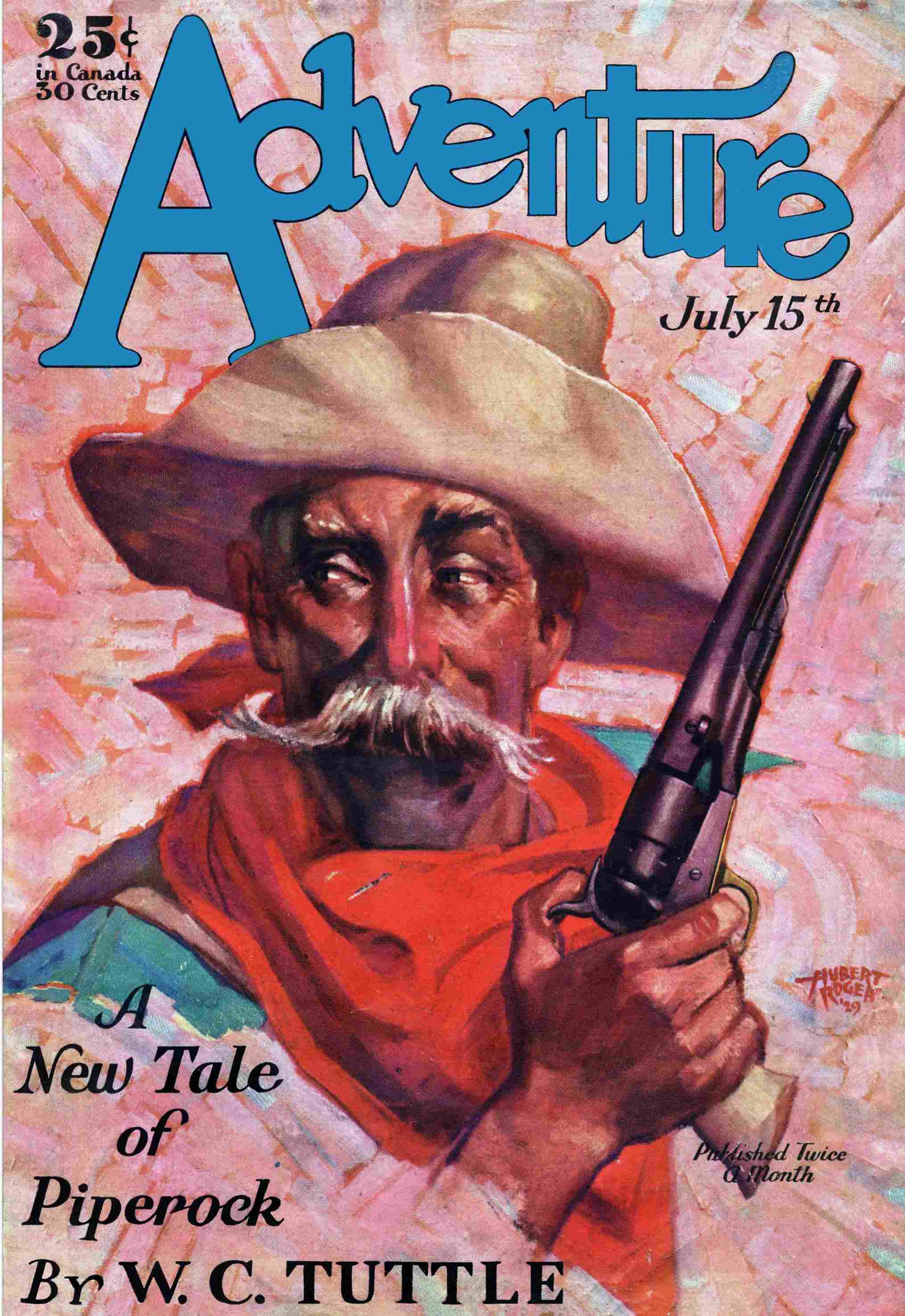
Injuneered
In the rough-and-tumble frontier town of Piperock, a visit from a flamboyant old acquaintance turns an ordinary day into a spectacle of wagers, rivalries, and escalating disorder. Told in a lively vernacular, this comic Western spins together small-town pride, traveling-show chaos, and the unpredictable ambitions of men who never quite play fair. W. C. Tuttle delivers a fast-moving tale of gambling, swagger, and absurd misadventure set against the dusty humor of the American West.
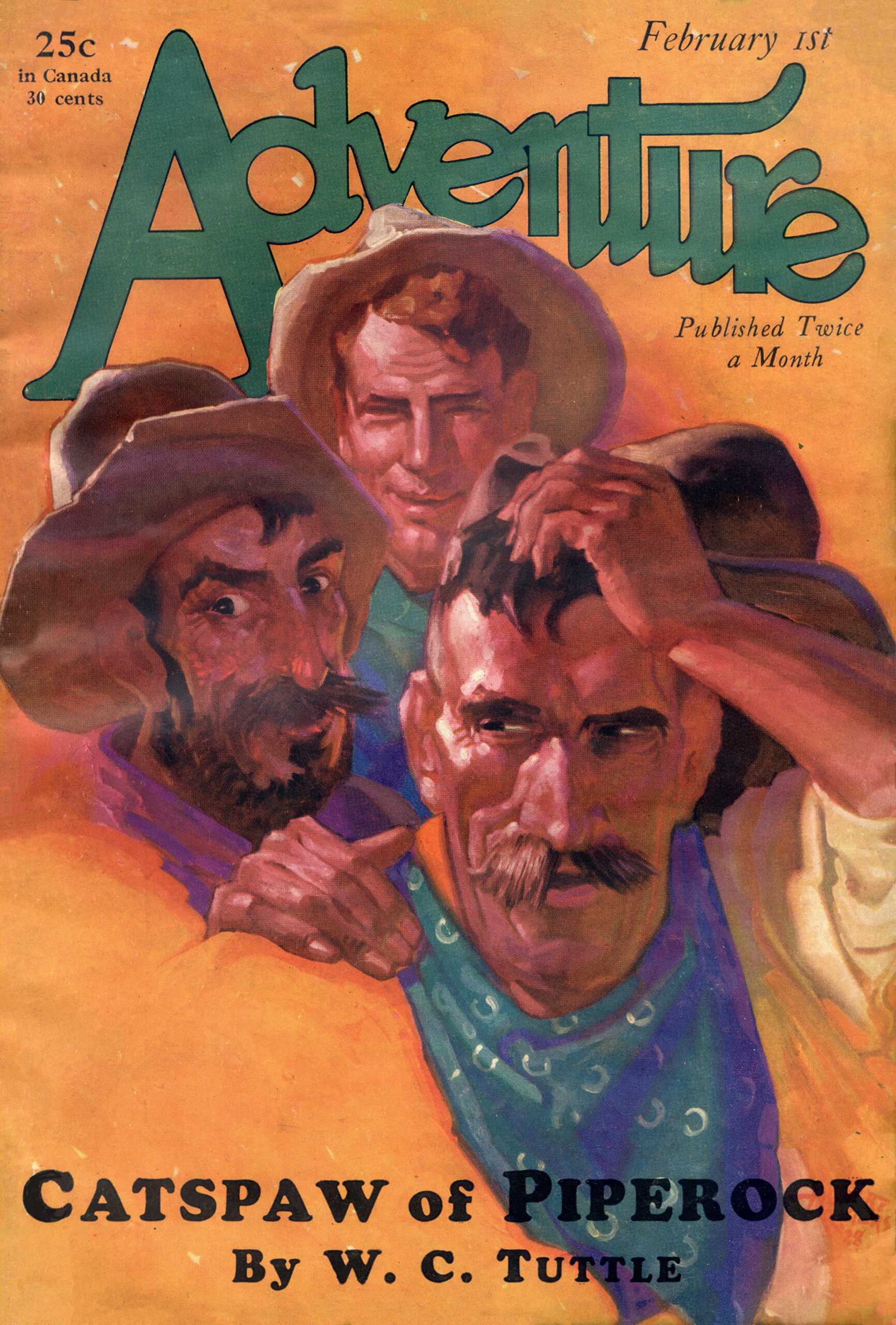
The Catspaw of Piperock
In the frost-bitten frontier town of Piperock, a sudden wave of remorse strikes the irrepressible duo of Dirty Shirt Jones and Scenery Sims—but their road to redemption is anything but straight and narrow. Narrator Ike Harper watches helplessly as a harebrained scheme to improve the local church spirals into a riotous chain of misadventures involving a cantankerous camel, a runaway automobile, and a very ill-tempered steer. W. C. Tuttle's holiday yarn crackles with deadpan wit and the warmth of a tight-knit community where chaos and good intentions are practically indistinguishable. A rowdy, laugh-out-loud celebration of the Wild West at Christmastime.
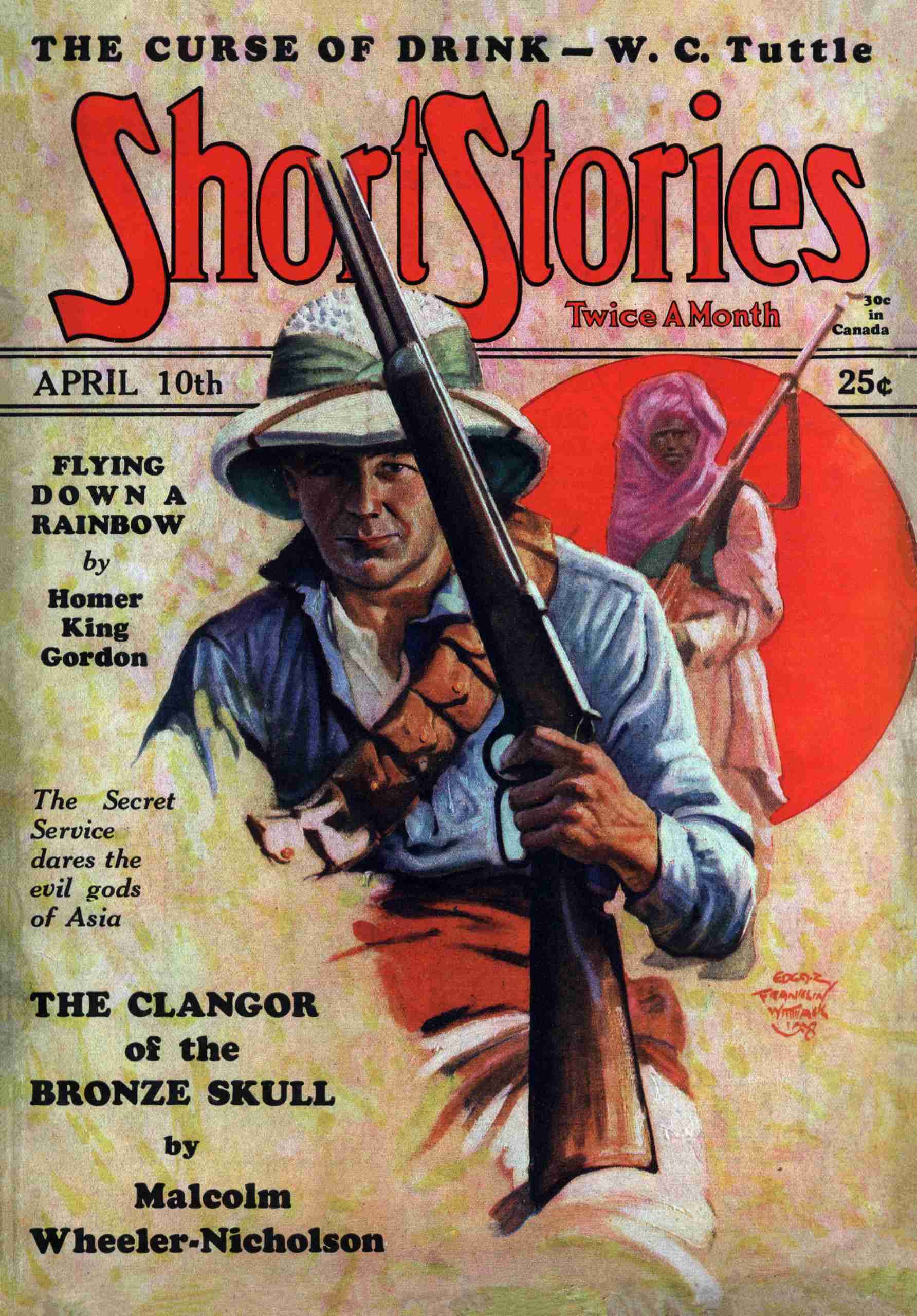
The Curse of Drink
In the raucous cowtown of San Pablo, a church benefit play promises culture, charity, and a grand moral lesson—but with cowpunchers Peewee Parker and Hozie Sykes pressed into service, the stage becomes a battleground of bruised egos, bad acting, and frontier chaos. W. C. Tuttle’s comic Western tale turns amateur theatricals into a riot of saloon humor, small-town rivalry, and slapstick disaster. Told in a lively vernacular voice, this archival short story captures the absurdity and exuberance of early twentieth-century pulp Western comedy.
The Luck of San Miguel
When cowboy Blue Snow returns to Arizona after six years away, he finds San Miguel Valley shadowed by old grudges, stolen money, and a deadly stagecoach robbery. Drawn back by his father’s urgent plea, Blue must face suspicion, buried rivalries, and the woman he once left behind. Set against the rugged cattle towns and canyon roads of the Arizona range, this Western mystery blends frontier justice, romance, and hard-riding intrigue.
A Scheme There Was
In the desert town of Mohave Wells, slow-talking Sheriff Buck Brady spends his days whittling pine and watching trouble drift in on the stage. When a young brother and sister from the East fall into the grasp of ruthless men ruling the boomtown of Lone Mule, Buck’s quiet sense of justice is stirred. A tense Western tale of corruption, courage, and frontier law, this story follows an unlikely guardian whose patience may be more dangerous than any gun.
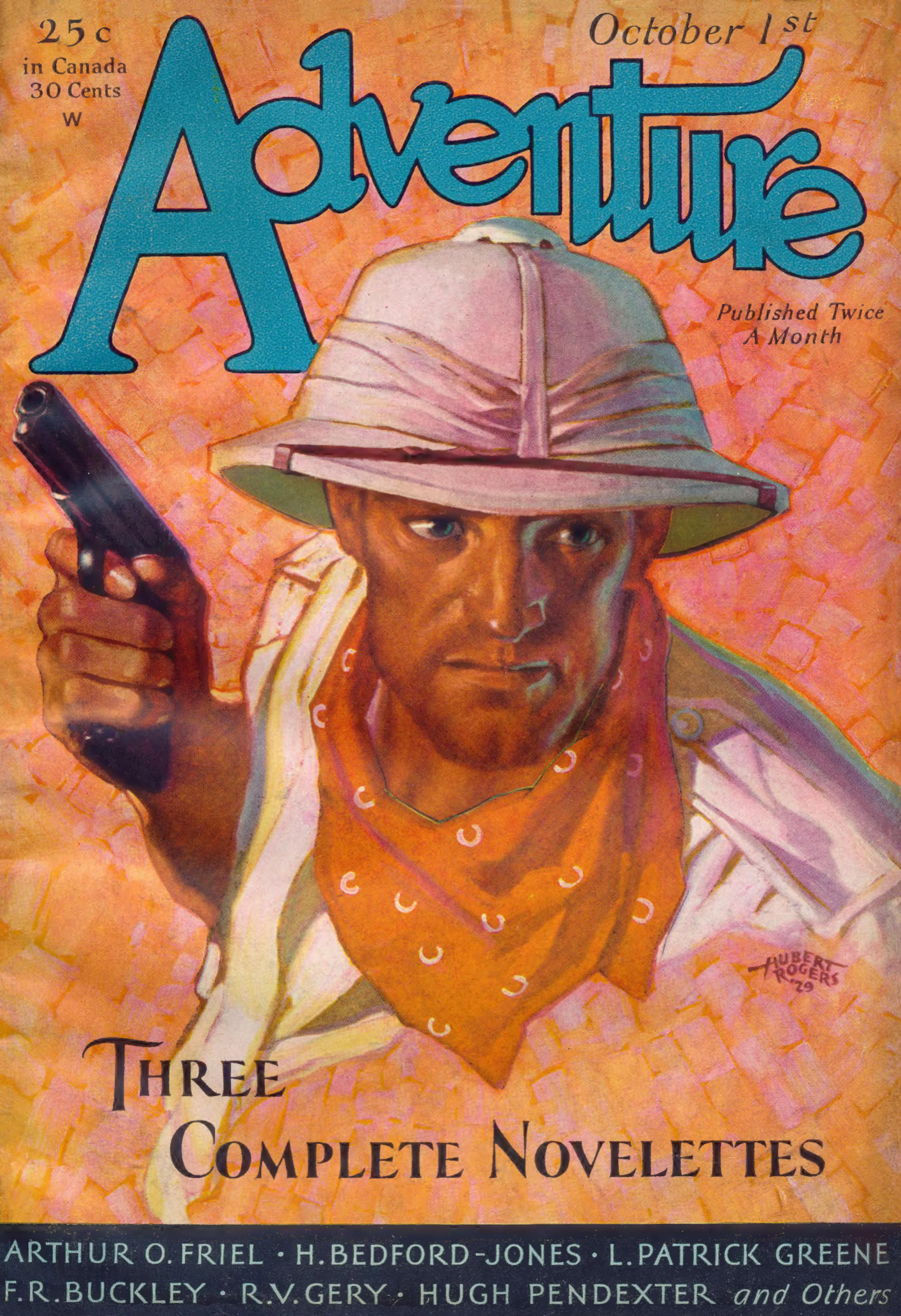
I Buy Me Couple Horses
A wry frontier comedy unfolds when a man’s simple wish to own a couple of horses invites a parade of dubious bargains, hard-luck salesmen, and one unforgettable beast. Told in a sharp, colloquial voice, this classic Western sketch captures the hazards of rural ambition with deadpan humor and vivid period charm. W. C. Tuttle turns everyday misadventure into a lively portrait of optimism colliding with chaos on the range. Ideal for readers of vintage Americana, comic Western fiction, and literary cowboy tales.
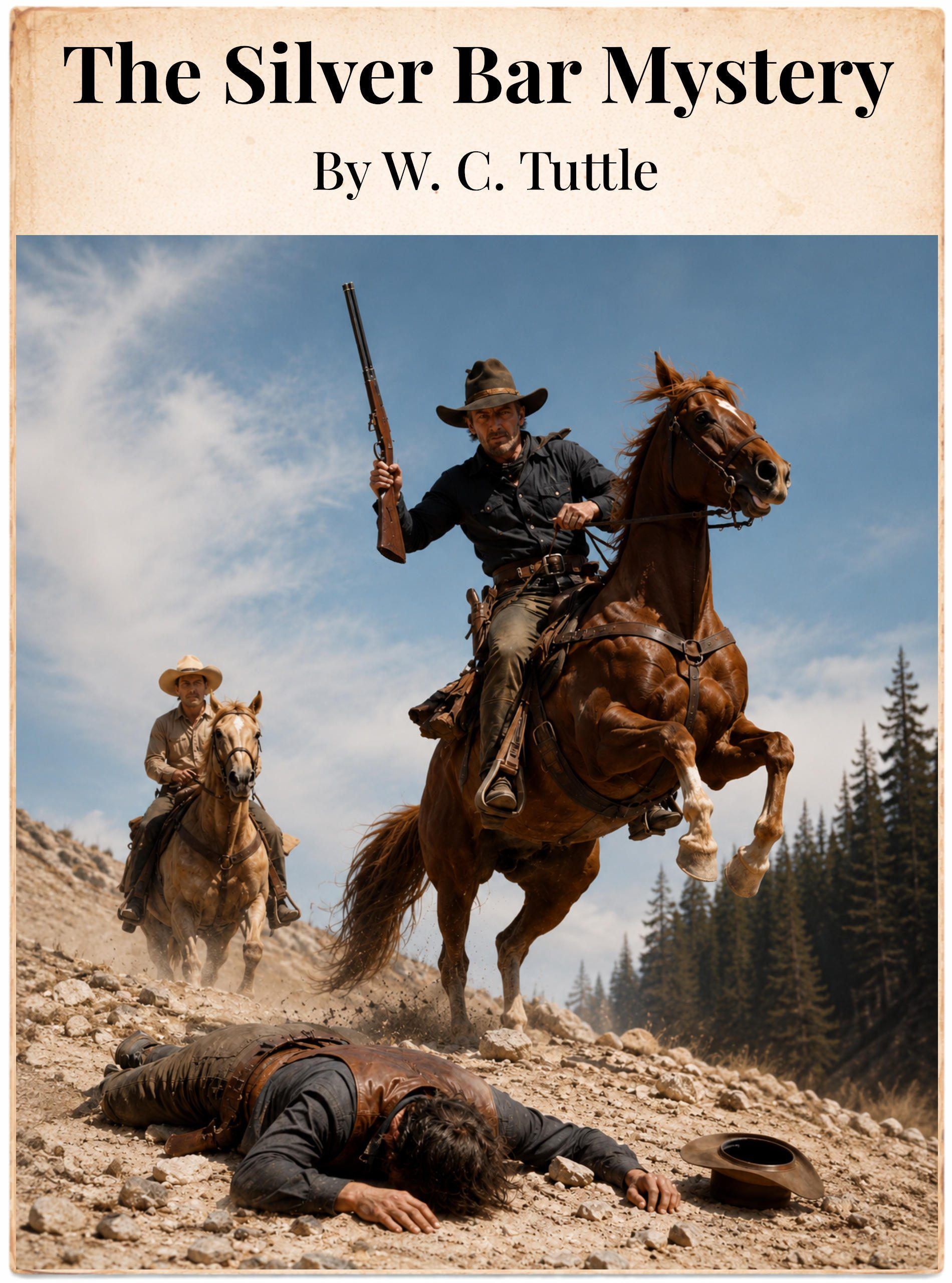
The Silver Bar Mystery
In the sun-baked cow towns along the Arizona border, old range hand Goober Glendon and young Johnny Wells ride into a web of trouble that begins with a questionable shooting and deepens with rustling, robbery, and family scandal. A wealthy ranch owner returns to the Star A hoping to restore order, only to find old loyalties, dangerous secrets, and hard country justice waiting for him. Blending dry cowboy humor with mystery and frontier suspense, this Western tale follows drifters, lawmen, ranchers, and outlaws through a landscape where every poker table, stage road, and dusty street may hide a clue.